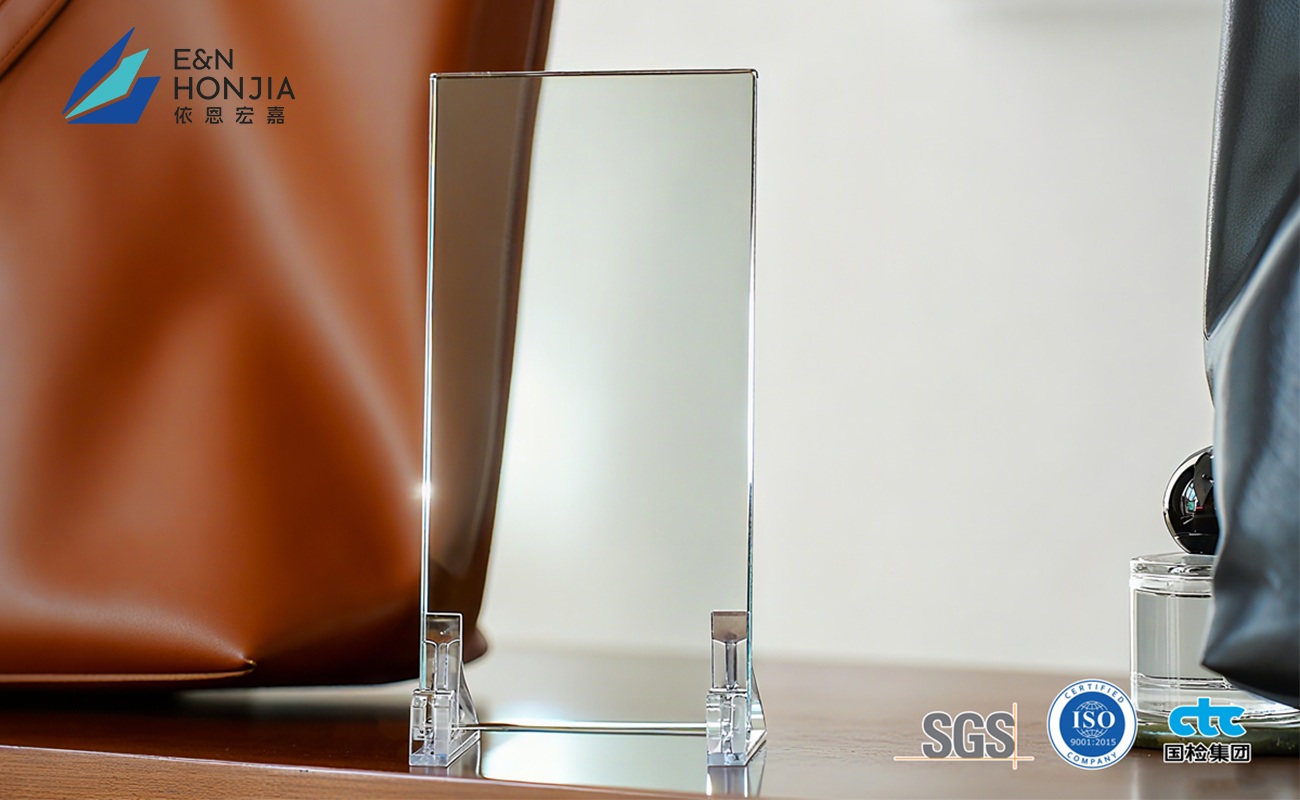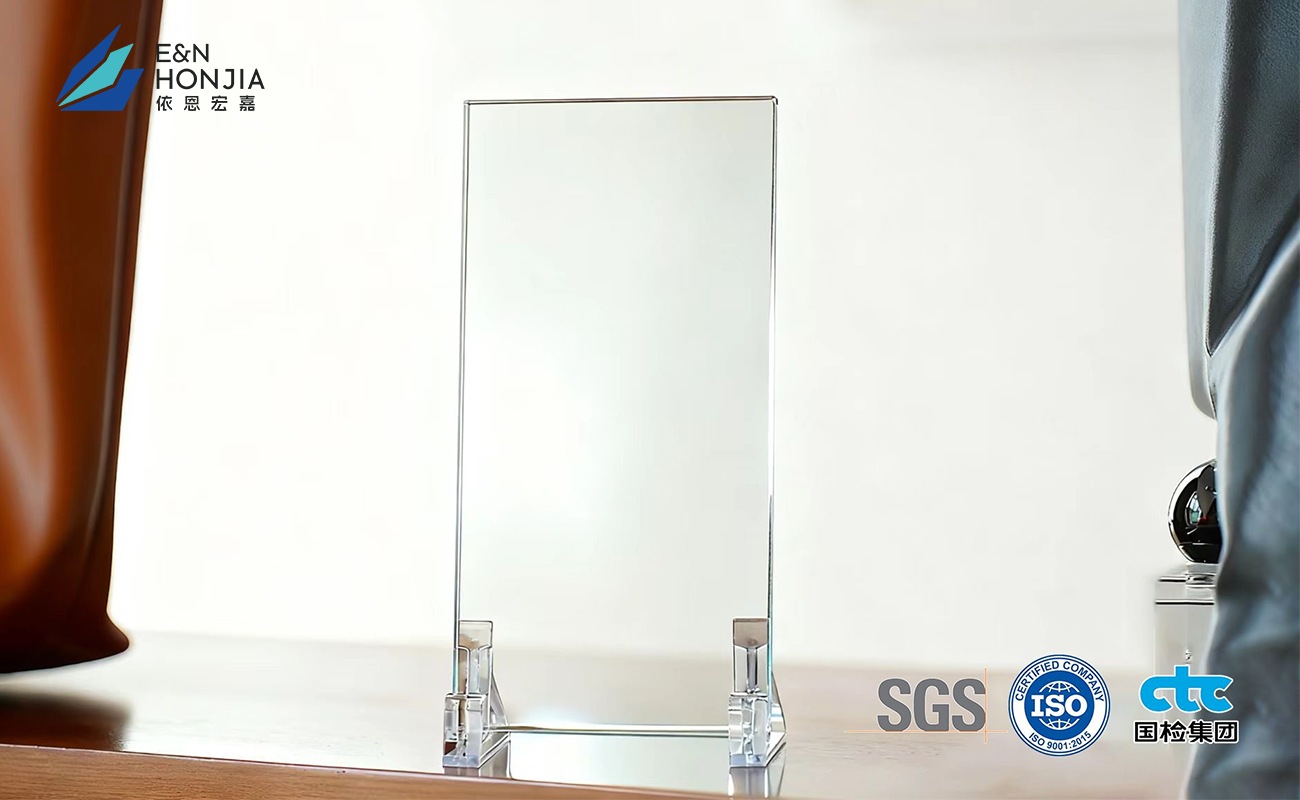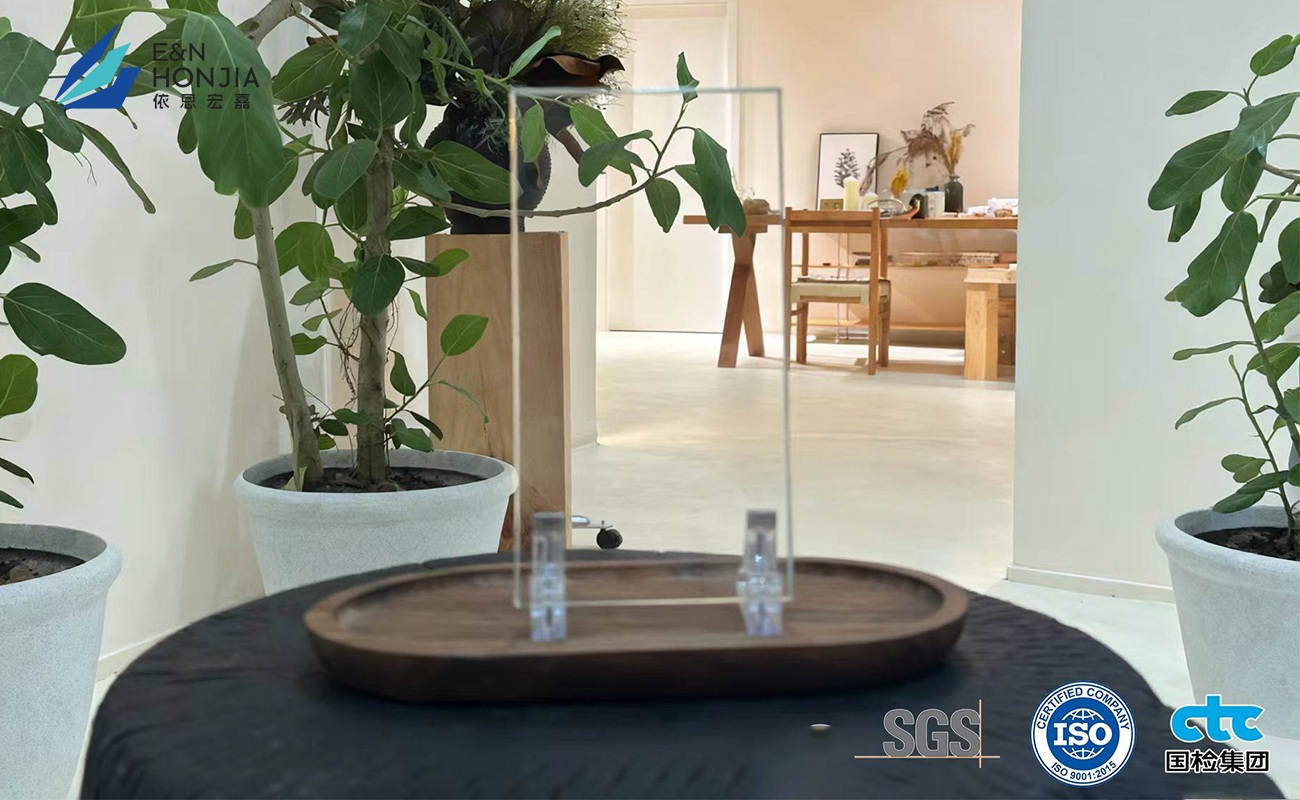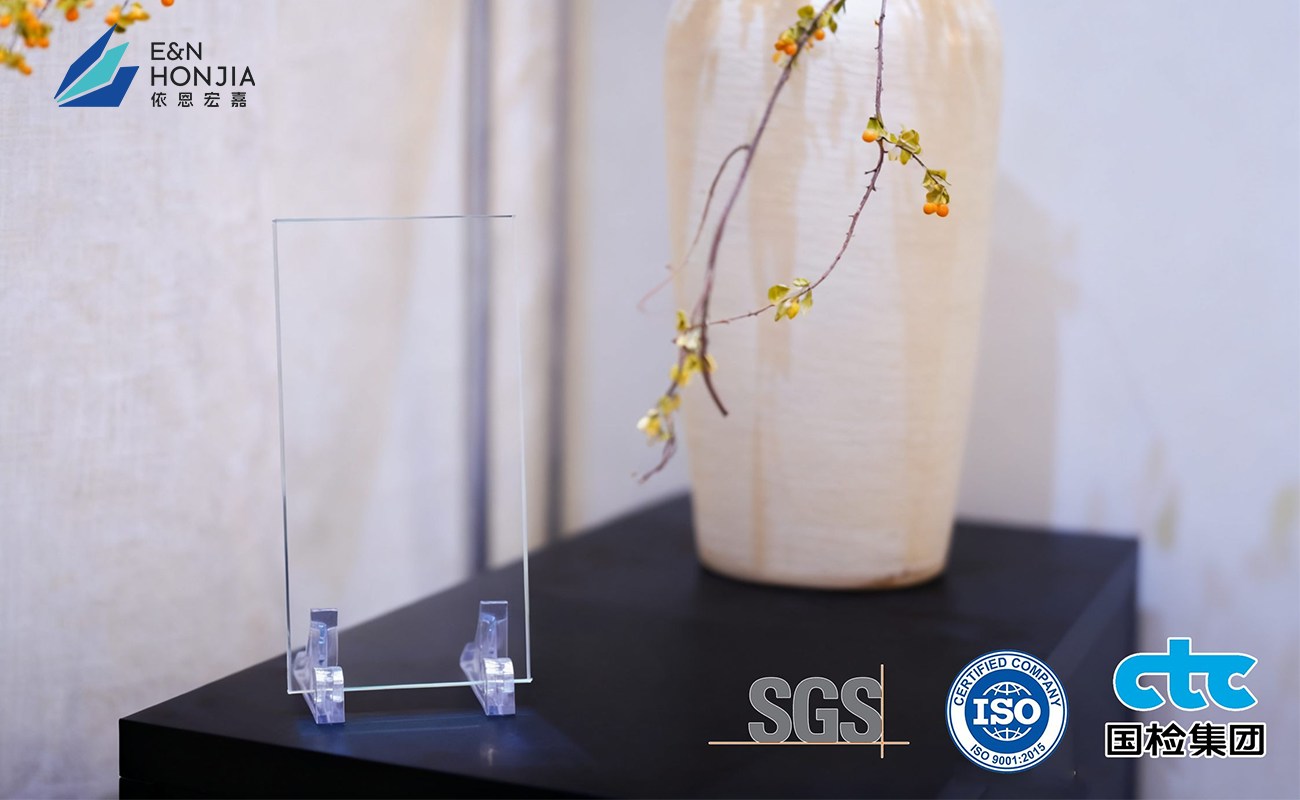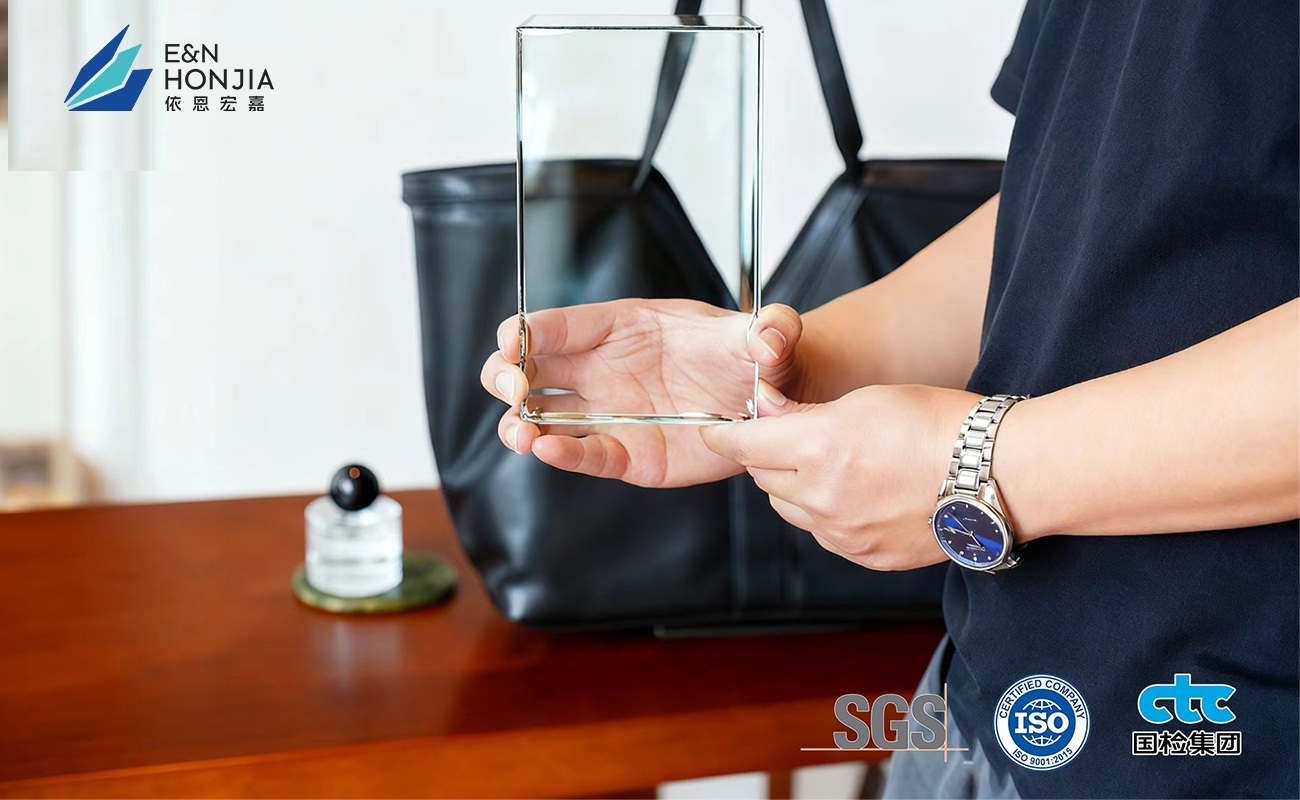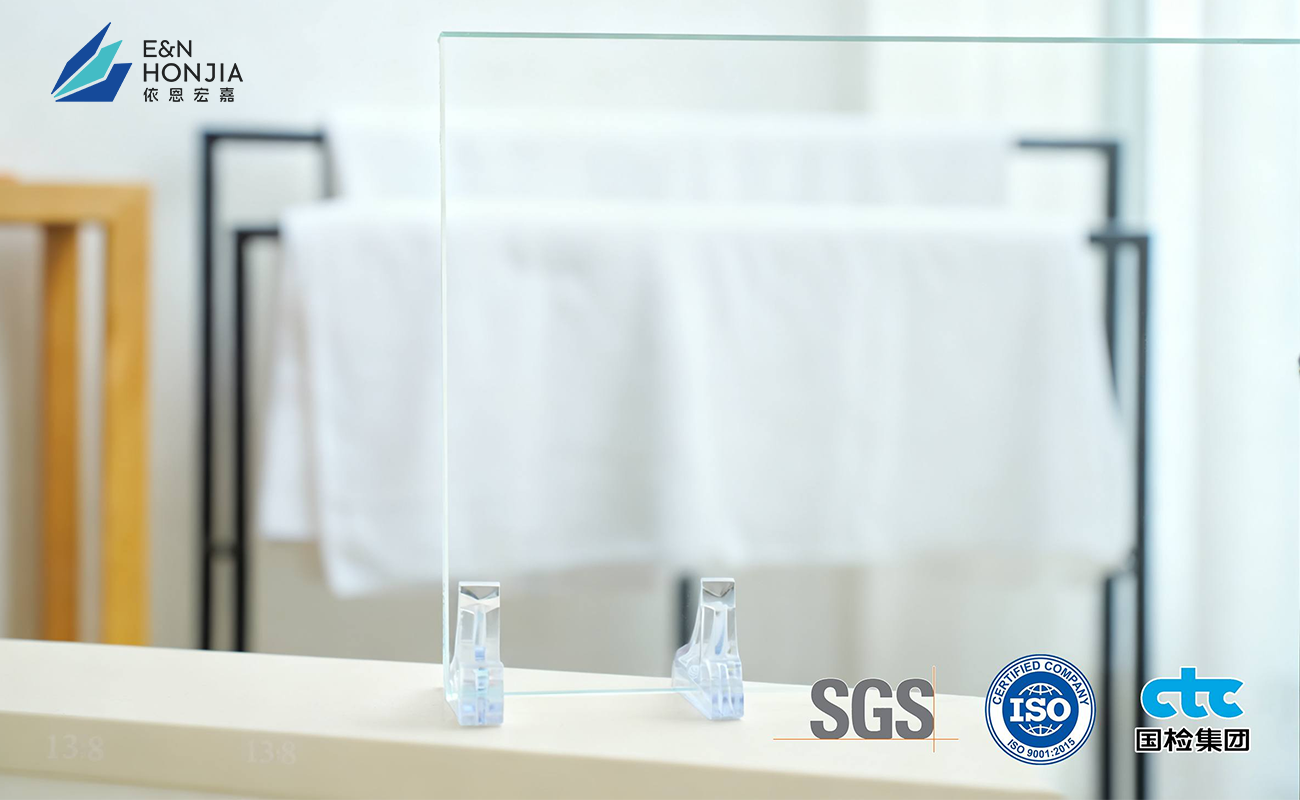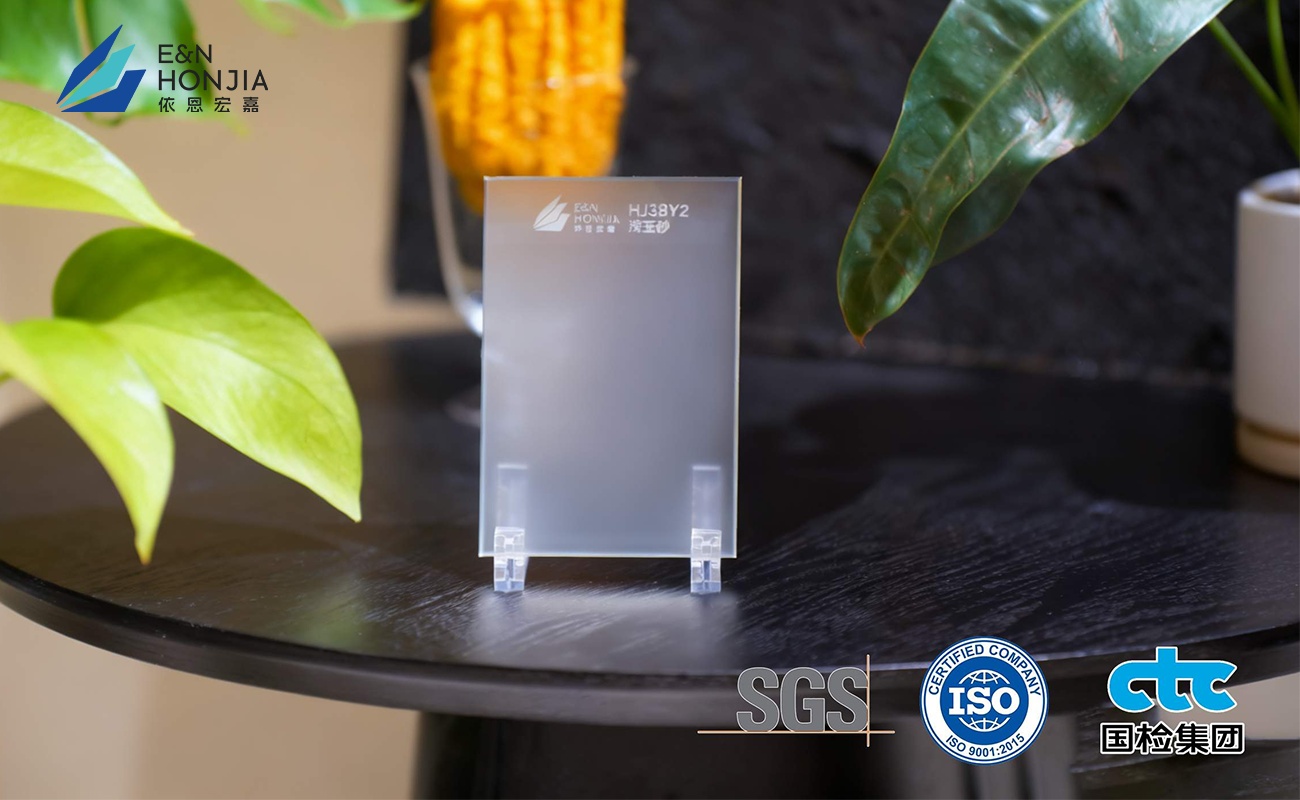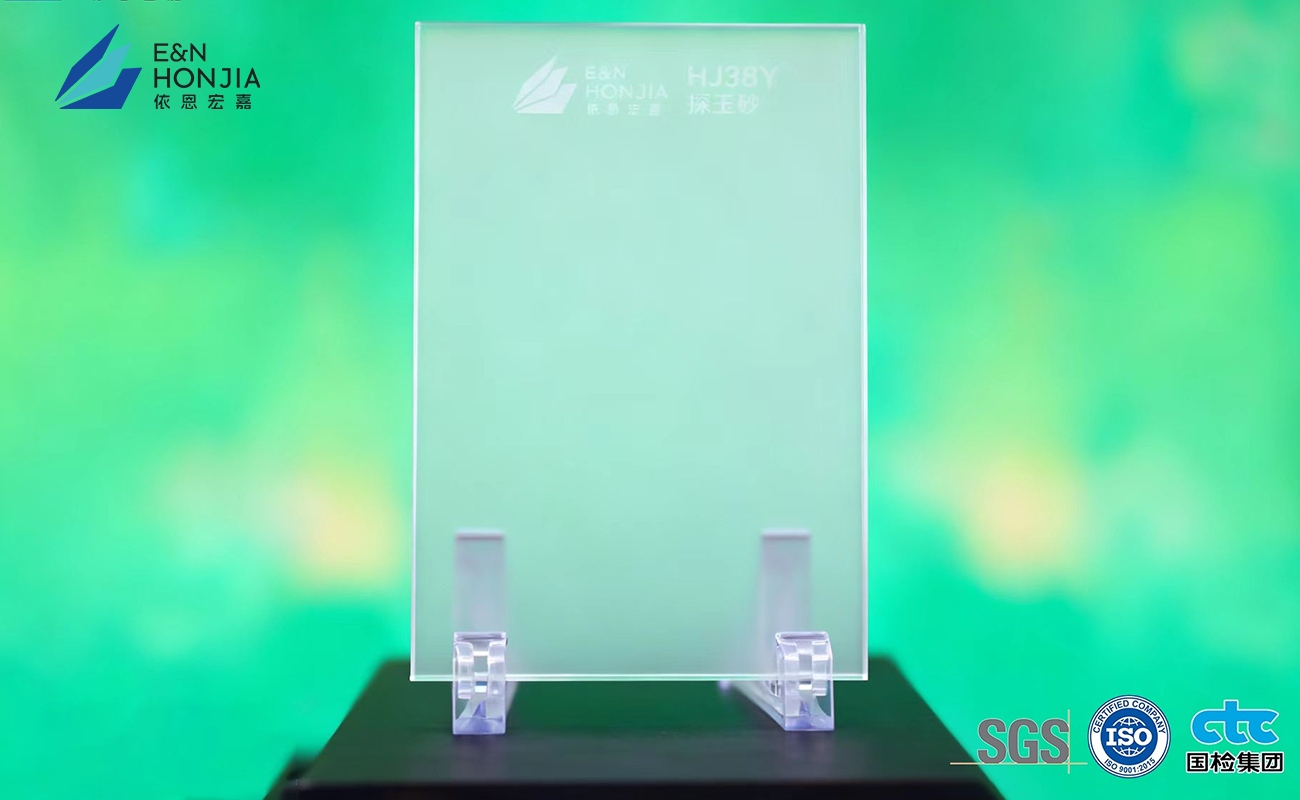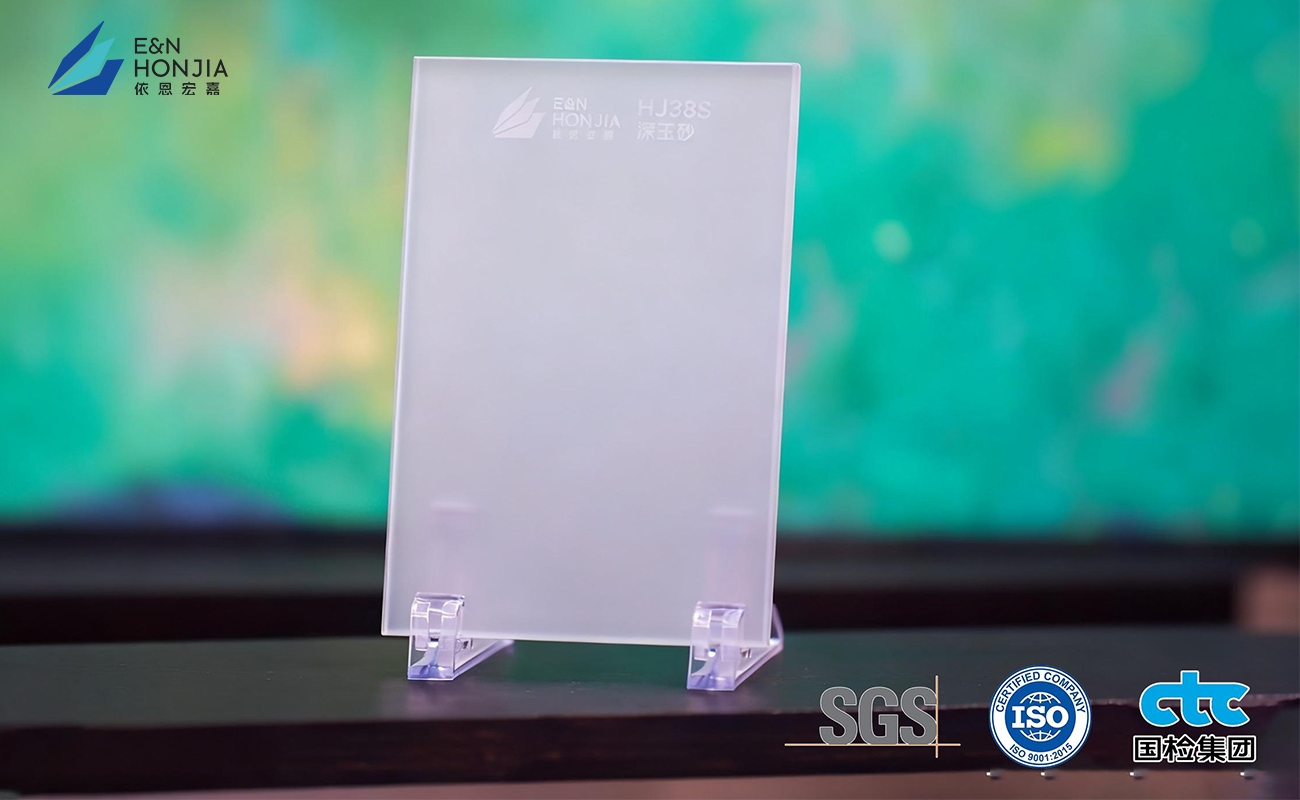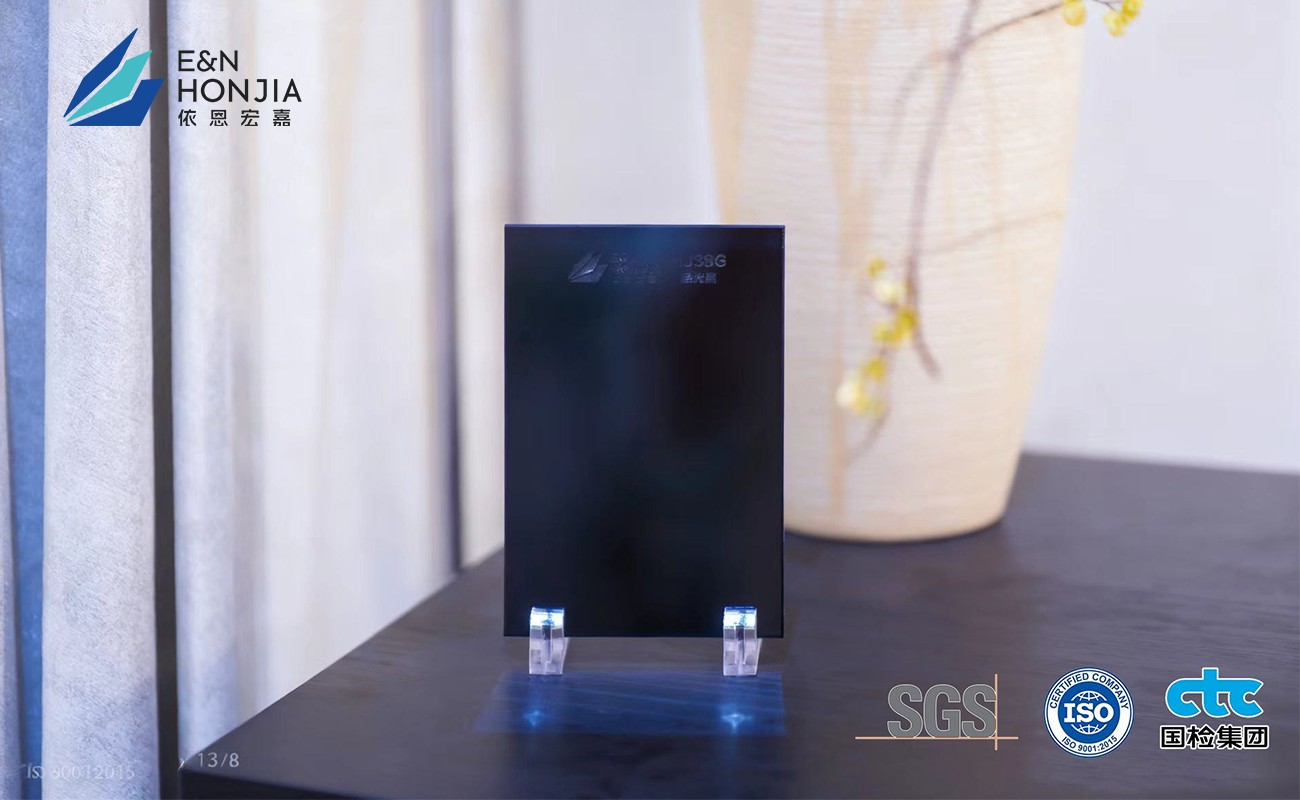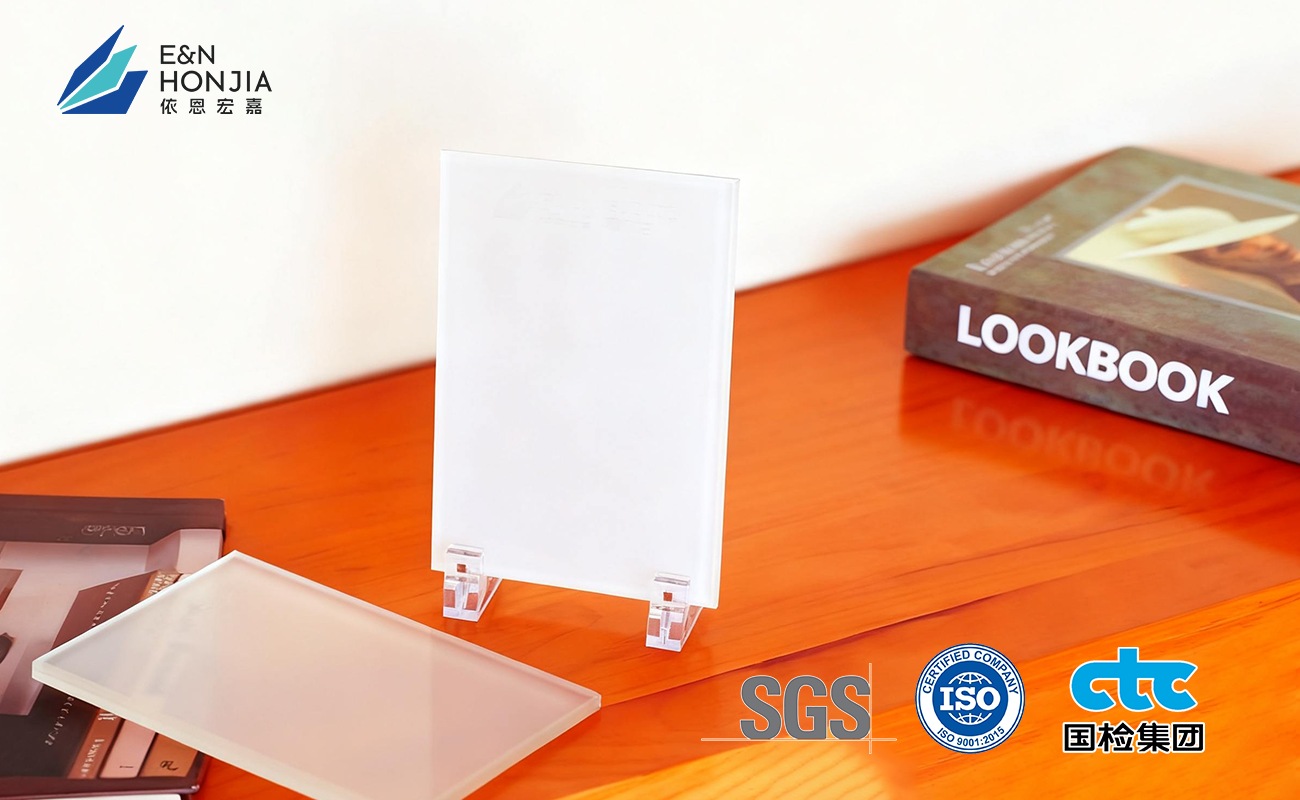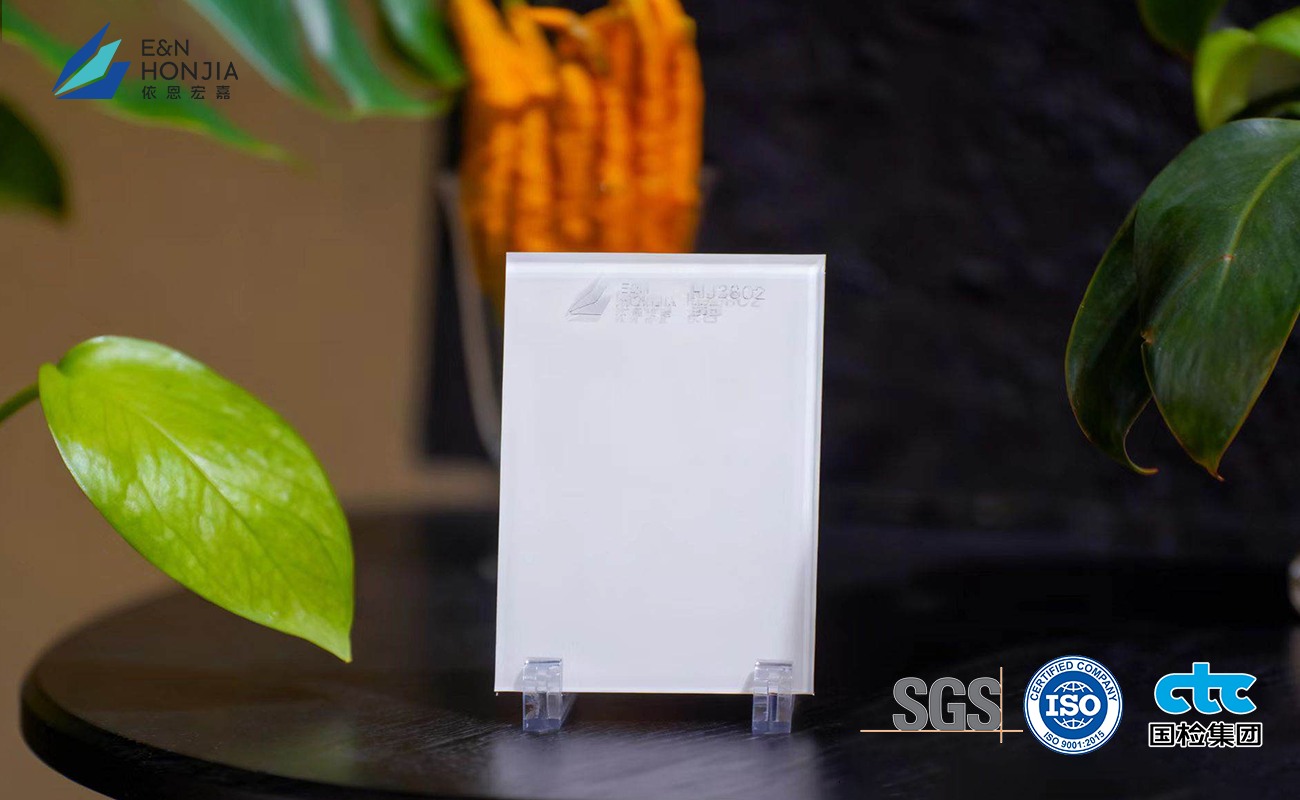
As a professional clear EVA film manufacturer, E&N Glass provides a wide range of clear EVA interlayers for high-end laminated glass applications. Our unique EVA film lamination process ensures perfect adhesion between the film and the glass, resulting in a final product with exceptional transparency, superior optical performance, and robust safety features.
EVA (Ethylene Vinyl Acetate) is not simply "glue." In the laminated glass interlayer family, it is a thermosetting material. Unlike ordinary thermoplastic materials, EVA undergoes a cross-linking reaction during the lamination heating process. This means that its molecular chains form a three-dimensional network structure. Once cured, it becomes an irreversible, strong layer.
Our EVA interlayer films for laminated glass are widely used in construction, automotive, home decoration, and other fields. Whether it's large-scale glass interlayer projects or customized laminated glass solutions, E&N Glass can provide high-performance, stable EVA interlayer films to meet customers' diverse needs in terms of aesthetics, strength, and weather resistance.
Contact us today to get EVA interlayer samples and more information, and explore our extensive range of interlayer solutions.
High-quality EVA film for glass lamination, such as E&N clear EVA interlayer series, should have a light transmittance exceeding 90% and extremely low haze, less than 0.3%. If the film itself is cloudy, the resulting laminated glass will look like it's covered in a layer of dust.
Cross-linking and Durability
This is crucial for outdoor applications. High cross-linking (≥85%) means a more stable molecular structure, capable of resisting 99% of UV radiation and high temperature and humidity environments. Low cross-linking EVA is prone to aging and yellowing outdoors.
Adhesion Strength
According to E&N laboratory data, high-quality EVA should have an adhesion strength to glass greater than 75 N/cm. This ensures that when the glass breaks, the fragments remain firmly attached to the film, preventing them from falling off and causing injury.
Flow Rate
This is especially important when processing laminated glass with embedded wires or fabrics. Moderate flowability allows the film to fill the texture of the fabric, preventing the formation of bubbles.