|
Item |
HJ-WA (High Fluidity) |
HJ-WH (Low Fluidity) |
|
Standard Thickness |
0.38 mm / 0.76 mm |
0.38 mm / 0.76 mm |
|
Standard Width |
2500 mm |
2500 mm |
|
Roll Length |
100 m (0.38 mm) / 50 m (0.76 mm) |
100 m (0.38 mm) / 50 m (0.76 mm) |
|
Visible Light Transmittance |
> 90% |
> 90% |
|
Haze |
< 0.3% |
< 0.3% |
|
UV Blocking Rate (280–380 nm) |
≥ 99% |
≥ 99% |
|
Crosslinking Rate |
> 80% |
> 80% |
|
Adhesion with Glass |
> 80 N/cm |
> 80 N/cm |
|
Tensile Strength |
> 15 MPa |
> 15 MPa |
|
Elongation at Break |
≥ 700% |
≥ 700% |
|
Water Absorption |
≤ 0.1% |
≤ 0.1% |
|
Weather Resistance |
Pass (100 °C boiling, 85 °C/85% RH) |
Pass (100 °C boiling, 85 °C/85% RH) |
|
UV Aging Test (ΔYI) |
< 1 |
< 1 |
|
Processing Performance |
High Fluidity – faster penetration, reduced bubbles, higher efficiency |
Low Fluidity – controlled flow, minimal edge seepage, higher precision |
|
Typical Applications |
Large-scale outdoor projects requiring fast processing (e.g., curtain walls, skylights) |
Outdoor projects requiring precise lamination control and dimensional accuracy |
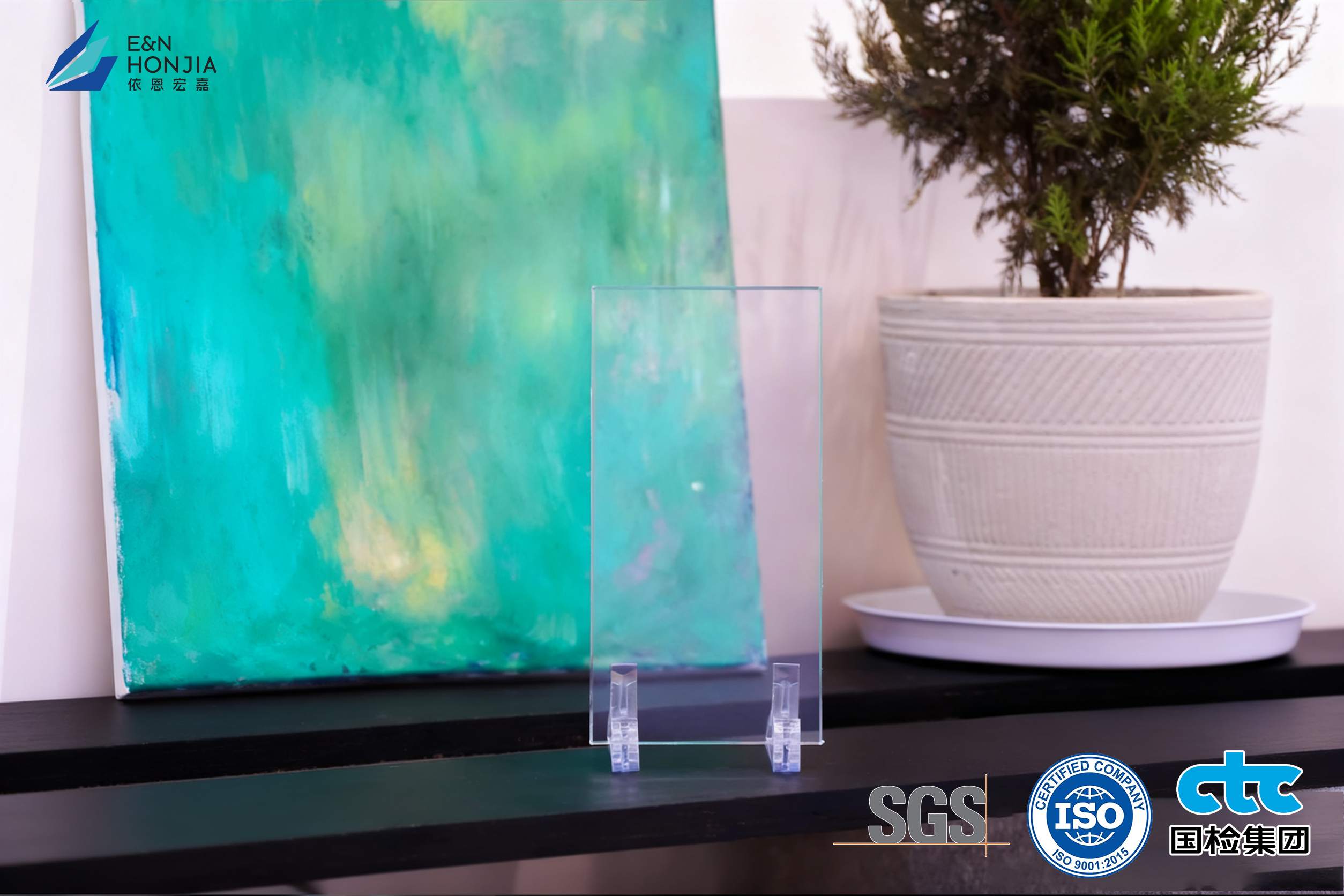
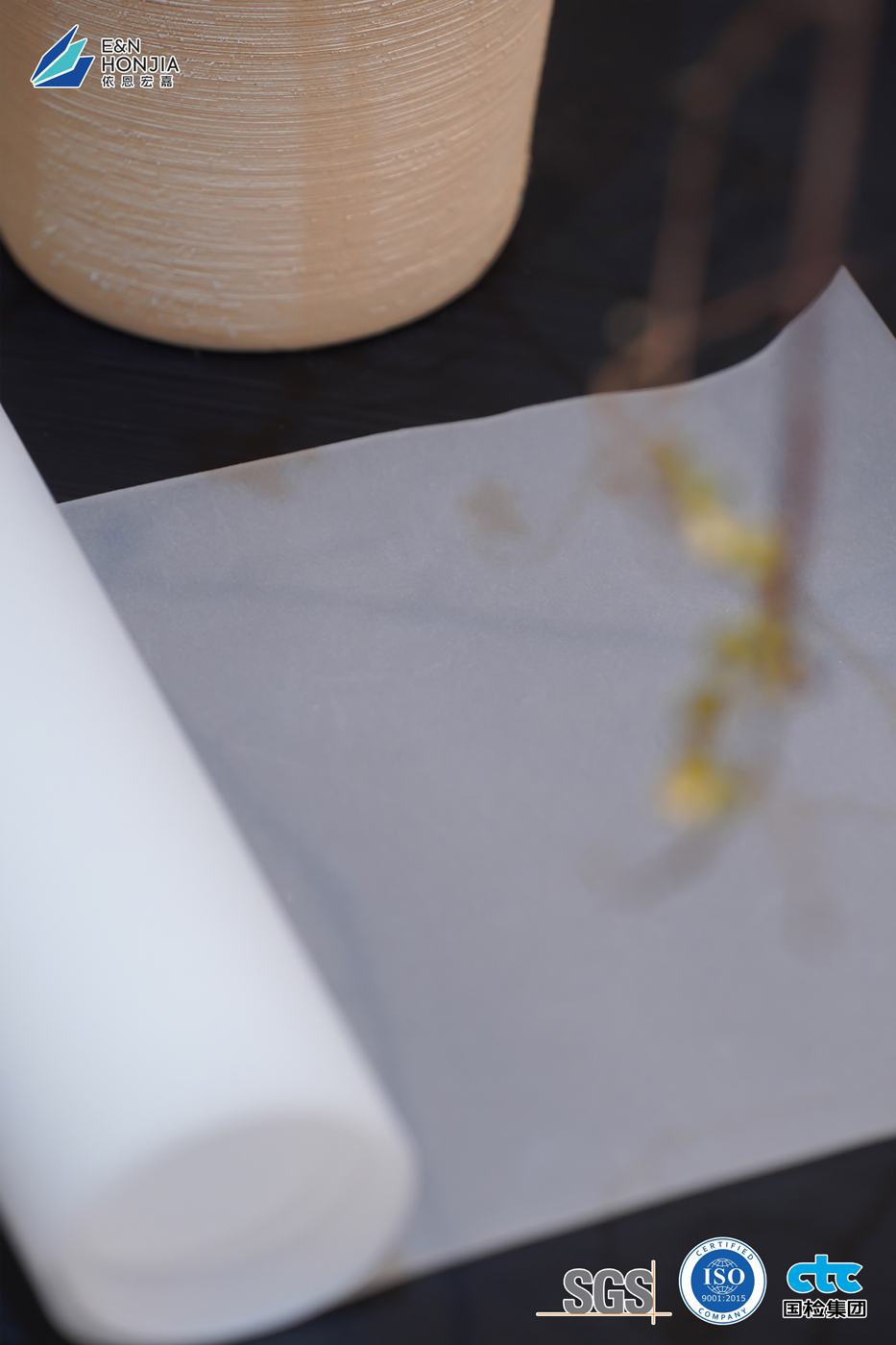
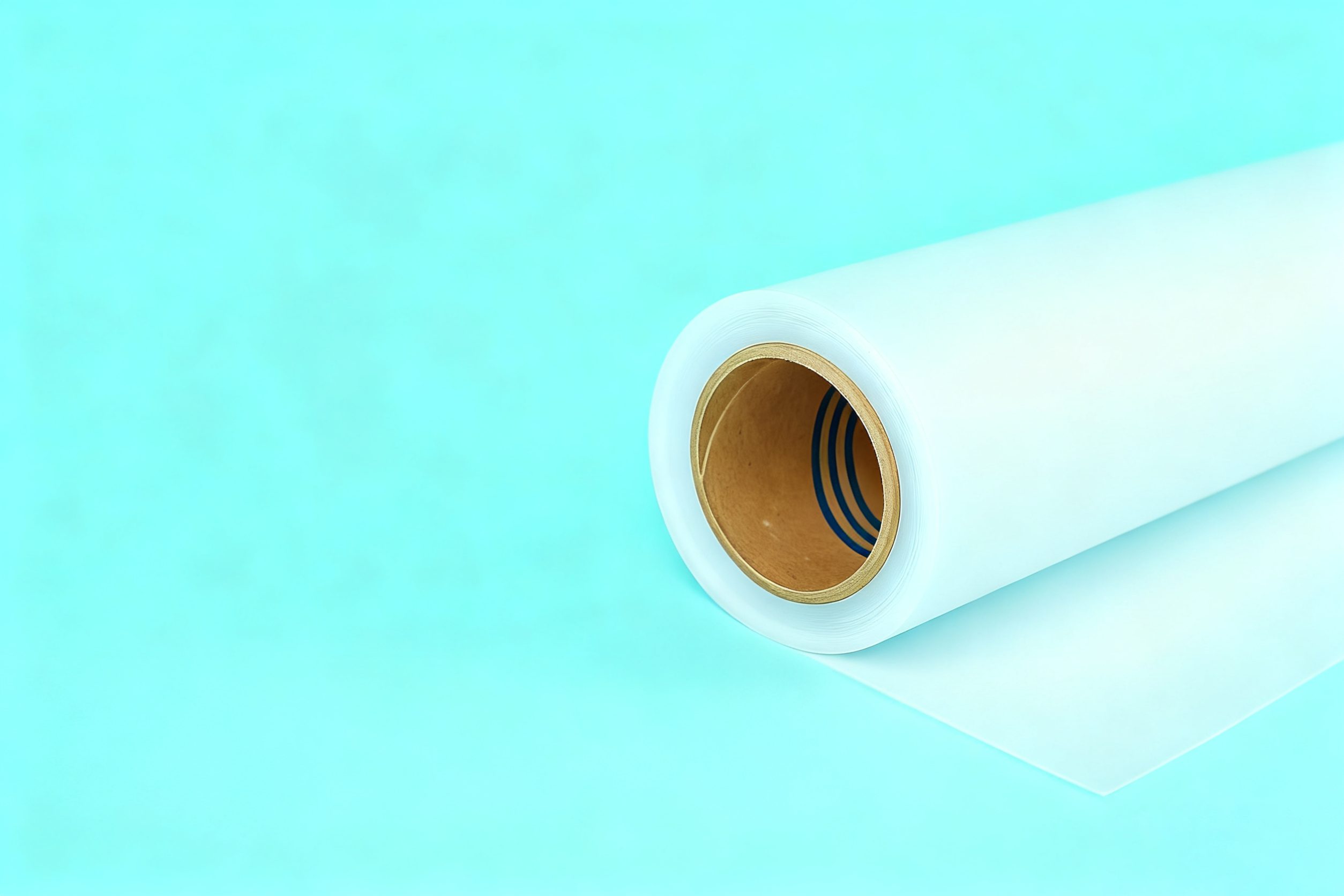
Super Clear Safety EVA Interlayer (Low Flow)
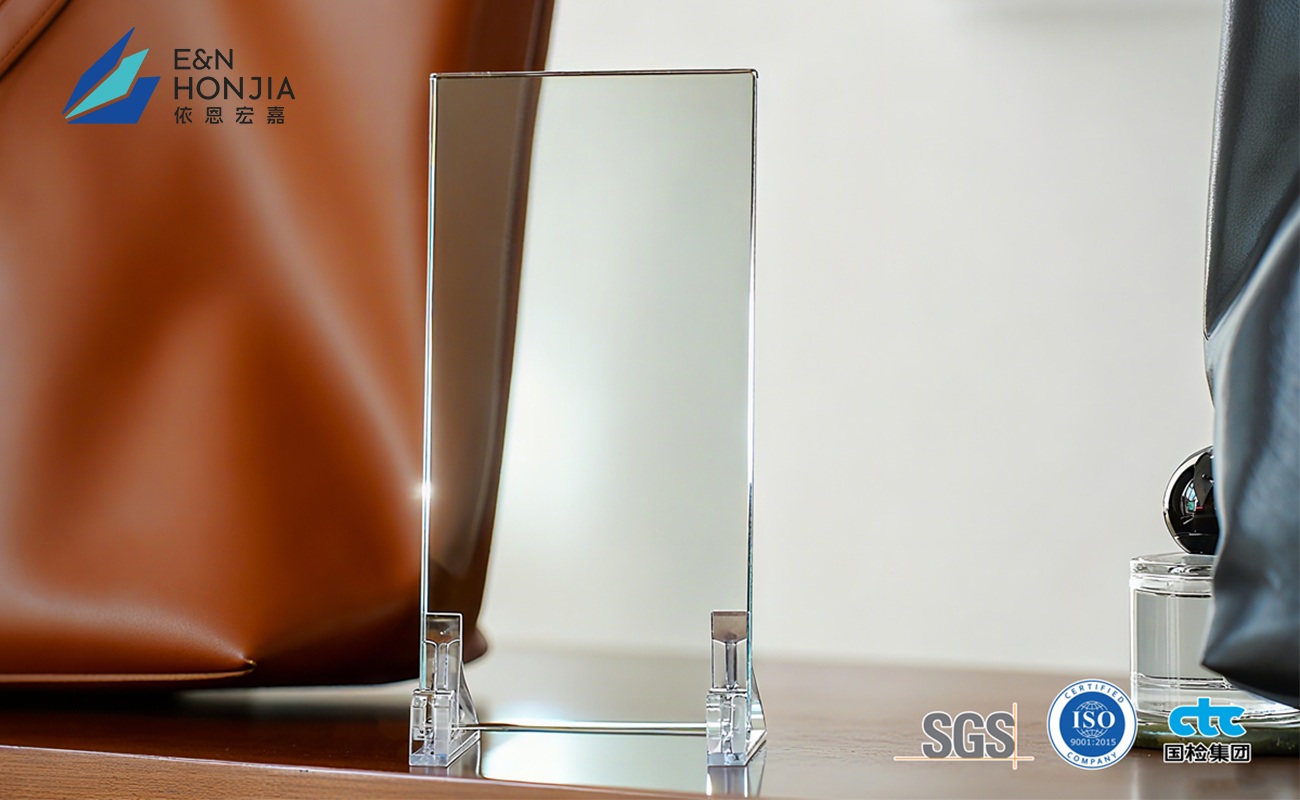
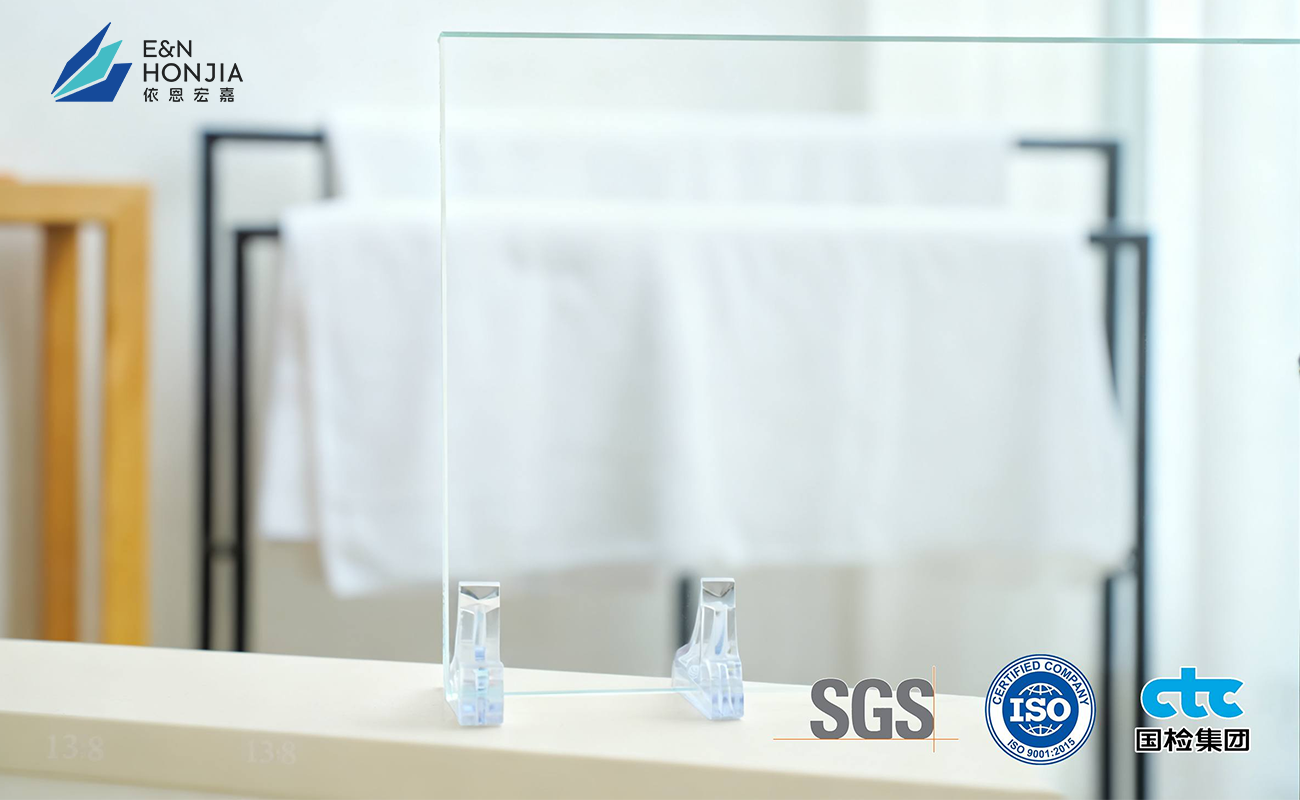
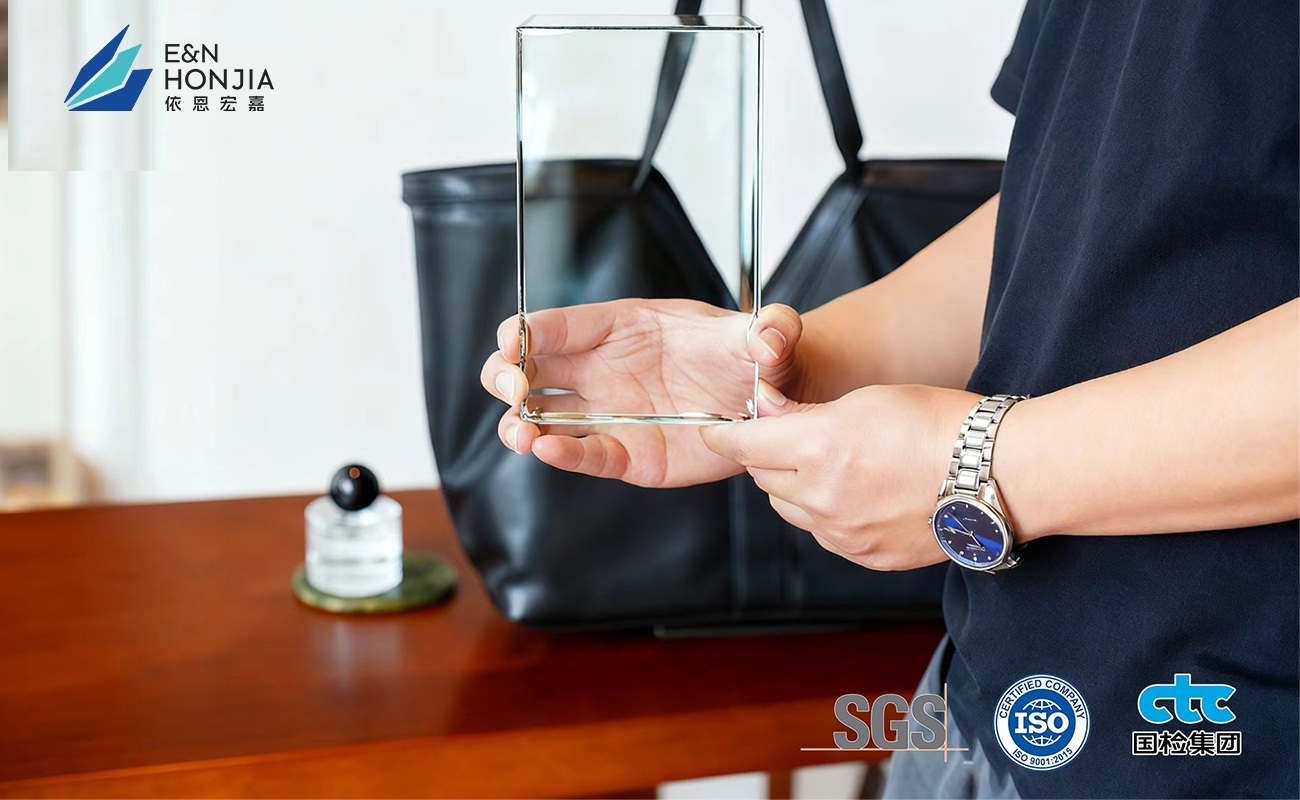
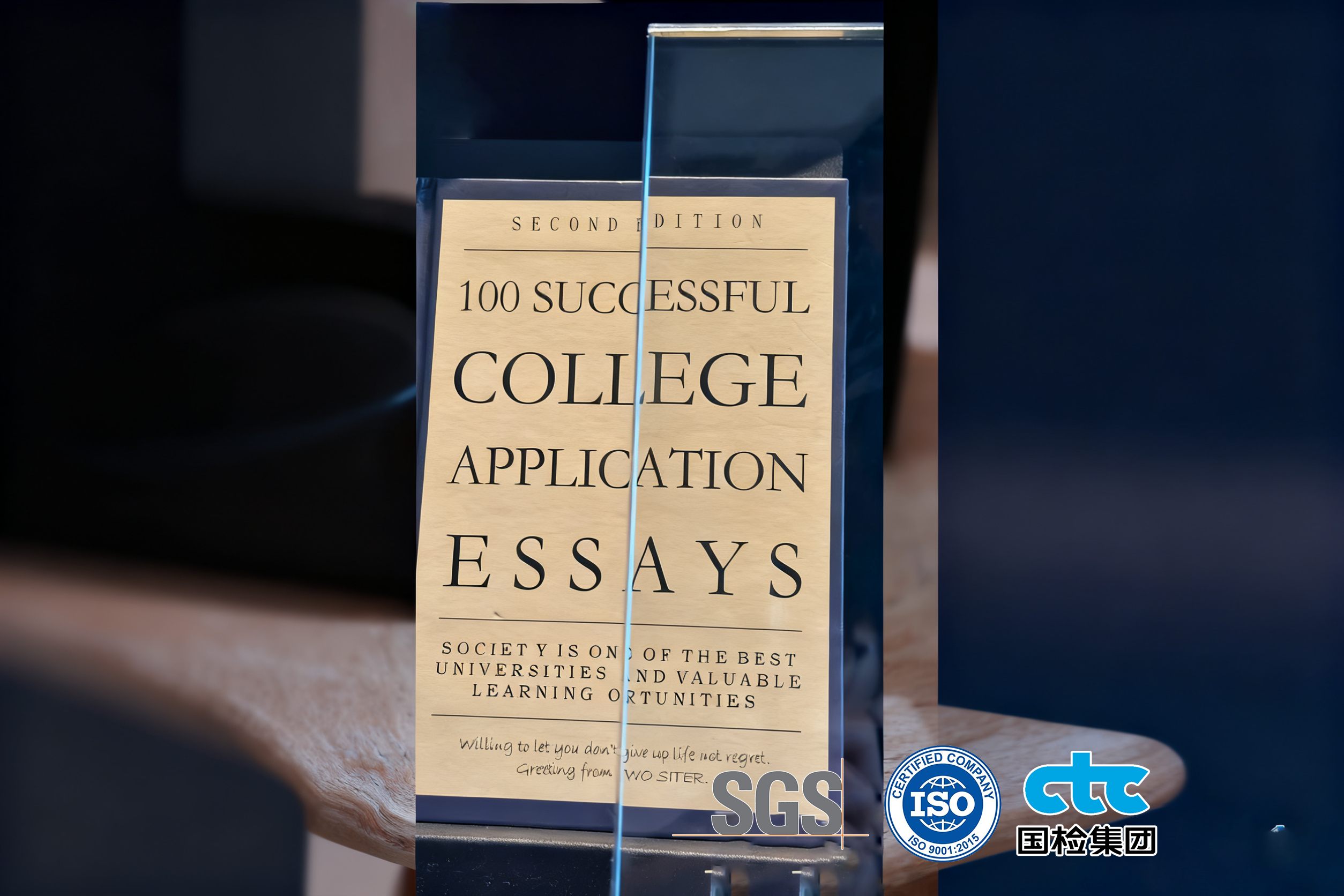
HJ-WH low flow clear EVA interlayer for outdoor laminated glass. Designed for controlled EVA flow, reduced edge overflow, high clarity and stable outdoor performance. Available in 0.38 mm and 0.76 mm.
Product Features :
1.High Transparency
2.Low Fluidity for Controlled Processing
3.Excellent UV Protection
4.Strong Adhesion to Glass
5.Crosslinking Stability
6.Reliable Mechanical Properties
7.Weather & Moisture Resistance
8.Anti-Yellowing Performance
Key Difference from HJ-WA:
- HJ-WA: High Fluidity – better penetration, faster lamination, reduced bubbles (suitable for high efficiency processing).
- HJ-WH: Low Fluidity – controlled flow, reduced edge seepage, precise lamination (suitable for projects requiring dimensional accuracy).
HJ-WH Low Flow Clear EVA Interlayer for Outdoor Laminated Glass
HJ-WH is E&N HONJIA's low-flow clear EVA interlayer developed for outdoor laminated glass.
Compared with a higher-flow EVA grade, HJ-WH moves less during the lamination cycle. This gives glass processors better control over the interlayer around the glass edges and makes it useful for production where excessive EVA flow is not desirable.
It combines clear optical performance with strong bonding, UV protection and resistance to heat and moisture for architectural laminated glass.
Visible Light Transmittance: >90%
Haze: <0.3%
UV Blocking: ≥99%
Standard Thickness: 0.38 mm / 0.76 mm
Standard Width: 2500 mm
Request a Quote
Request a Sample
PRODUCT OVERVIEW
Low Flow EVA Film for Better Lamination Control
Not every laminated glass structure needs a highly fluid EVA film.
For some glass processors, too much EVA movement during heating can create extra material around the glass edges, make edge finishing more difficult or require additional cleaning after lamination.
HJ-WH was developed for these situations.
Its lower-flow formulation allows the EVA to soften and bond during lamination while keeping movement more controlled than HJ-WA, our higher-flow outdoor clear EVA grade.
This makes HJ-WH particularly useful when the processor wants a clean laminated structure with better control of the EVA at the perimeter of the glass.
HJ-WH is intended for outdoor laminated glass where transparency, glass adhesion, UV resistance and long-term exposure to temperature and humidity are important.
LAMINATED GLASS STRUCTURE
How HJ-WH Is Used Inside Laminated Glass
A typical laminated glass structure using HJ-WH is:
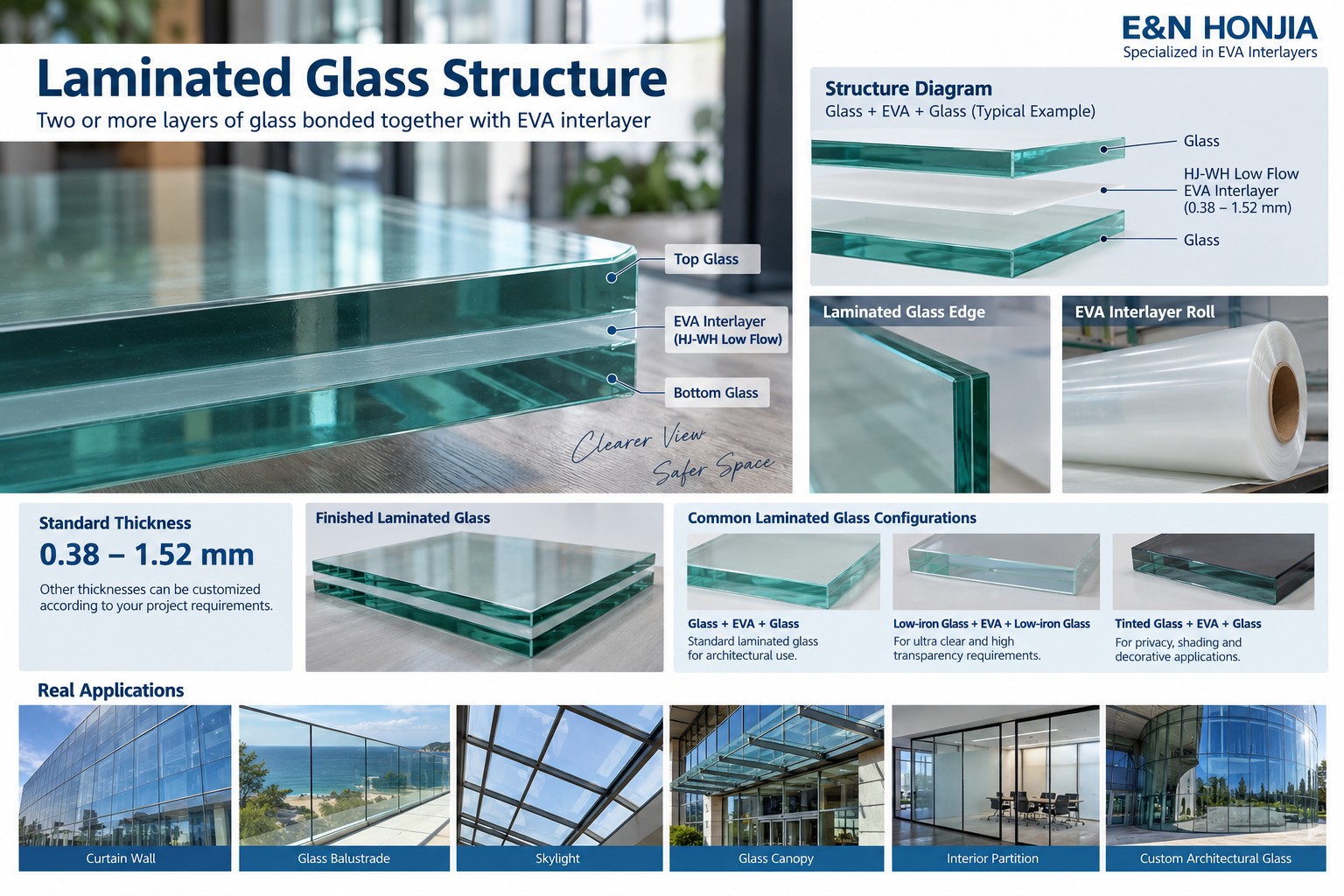
During production, HJ-WH EVA film is placed between two sheets of glass.
The assembled glass is processed under vacuum and heat. During the lamination cycle, the EVA softens, bonds with the glass surfaces and crosslinks to form the interlayer of the finished laminated panel.
Glass
The glass provides the main surfaces and basic structure of the laminated panel. Glass thickness and type should be selected according to the final application and project requirements.
HJ-WH EVA Interlayer
HJ-WH bonds the glass layers together while contributing to the optical appearance, moisture resistance and fragment retention of the laminated glass.
Because HJ-WH has lower flow than HJ-WA, its movement during heating is more controlled.
Finished Laminated Glass
After the correct lamination cycle, the glass and EVA form one bonded laminated structure.
The final glass configuration should always be selected according to the structural and safety requirements of the finished project.
WHAT LOW FLOW MEANS IN PRODUCTION
Why Some Glass Processors Prefer a Low Flow EVA
"Low flow" does not simply mean that one EVA film is better than another.
It describes how the film behaves when it is heated during lamination.
HJ-WH is designed to have less material movement than HJ-WA. This difference can be useful in production situations where controlling EVA movement is more important than obtaining maximum flow.
Better Edge Control
Reduced EVA movement helps limit excessive material flowing out around the perimeter of the glass during processing.
Cleaner Finishing
Less unnecessary edge overflow can make post-lamination edge cleaning easier, depending on the glass structure and processing cycle.
More Controlled Lamination
For glass structures where the processor wants the EVA to remain more stable during heating, HJ-WH provides an alternative to a higher-flow grade.
Useful for Precision Glass Processing
For cut-to-size glass, architectural panels and projects where the finished edge needs careful control, low-flow behaviour can be particularly useful.
The correct choice still depends on the glass structure and lamination equipment. A low-flow EVA should not automatically replace a higher-flow EVA in every application.
PRODUCT FEATURES
Why Glass Processors Choose HJ-WH
Clear Finished Appearance
HJ-WH provides visible light transmittance above 90% with haze below 0.3%.
It is intended for clear laminated glass where the appearance of the finished panel is important.
Low Flow During Lamination
HJ-WH is the lower-flow grade in the HJ-WA / HJ-WH outdoor EVA series.
It is normally selected when the processor needs better control of EVA movement and wants to reduce excessive flow around the glass edges.
UV Protection
HJ-WH blocks at least 99% of UV radiation in the 280–380 nm range.
This helps the laminated structure deal with long-term exposure to sunlight and supports the clear appearance of outdoor laminated glass.
Strong Bonding to Glass
HJ-WH has a measured glass adhesion value above 80 N/cm under the specified test conditions.
Good adhesion is important for keeping the glass layers bonded during handling and normal service.
Resistance to Heat and Humidity
The product has been evaluated under boiling-water and high-temperature/high-humidity test conditions.
These tests are used to evaluate the stability of the EVA interlayer when exposed to demanding environmental conditions.
Flexible Mechanical Properties
With tensile strength above 15 MPa and elongation at break of at least 700%, HJ-WH combines mechanical strength with flexibility.
Low Water Absorption
Water absorption is ≤0.1%, supporting the use of the film in laminated glass exposed to moisture-related conditions.
APPLICATIONS
Where HJ-WH Low Flow EVA Is Commonly Used
HJ-WH is mainly used for outdoor clear laminated glass where both environmental resistance and good control during lamination are required.
Glass Balustrades and Guardrails
HJ-WH can be used for laminated balcony railings, stair balustrades and architectural guardrail glass.
Its controlled flow behaviour is useful when the processor wants to keep excessive EVA movement around visible glass edges to a minimum.
Final glass thickness and structure should be selected according to the safety and structural requirements of the project.
Architectural Façades and Curtain Walls
Suitable for clear laminated façade panels where outdoor resistance and a clean finished appearance are important.
For façade projects, the final laminated-glass design should be confirmed according to the building system and project specification.
Skylights and Roof Glazing
HJ-WH can be used in laminated overhead glass exposed to sunlight, temperature changes and outdoor humidity.
The correct glass structure should be selected according to the loading and safety requirements of the installation.
Exterior Glass Canopies
For laminated canopy glass, HJ-WH provides a clear EVA bonding layer together with controlled flow during processing.
This can be useful for processors producing cut-to-size architectural panels where edge appearance matters.
Precision-Cut Architectural Glass
HJ-WH is useful for projects where glass dimensions and edge finishing require more controlled EVA movement during lamination.
Custom Outdoor Laminated Glass
For special glass shapes, project-specific structures or large panels, send us the glass drawing, glass thickness and intended application before production.
We can help check whether HJ-WH or another EVA grade is better suited to the structure.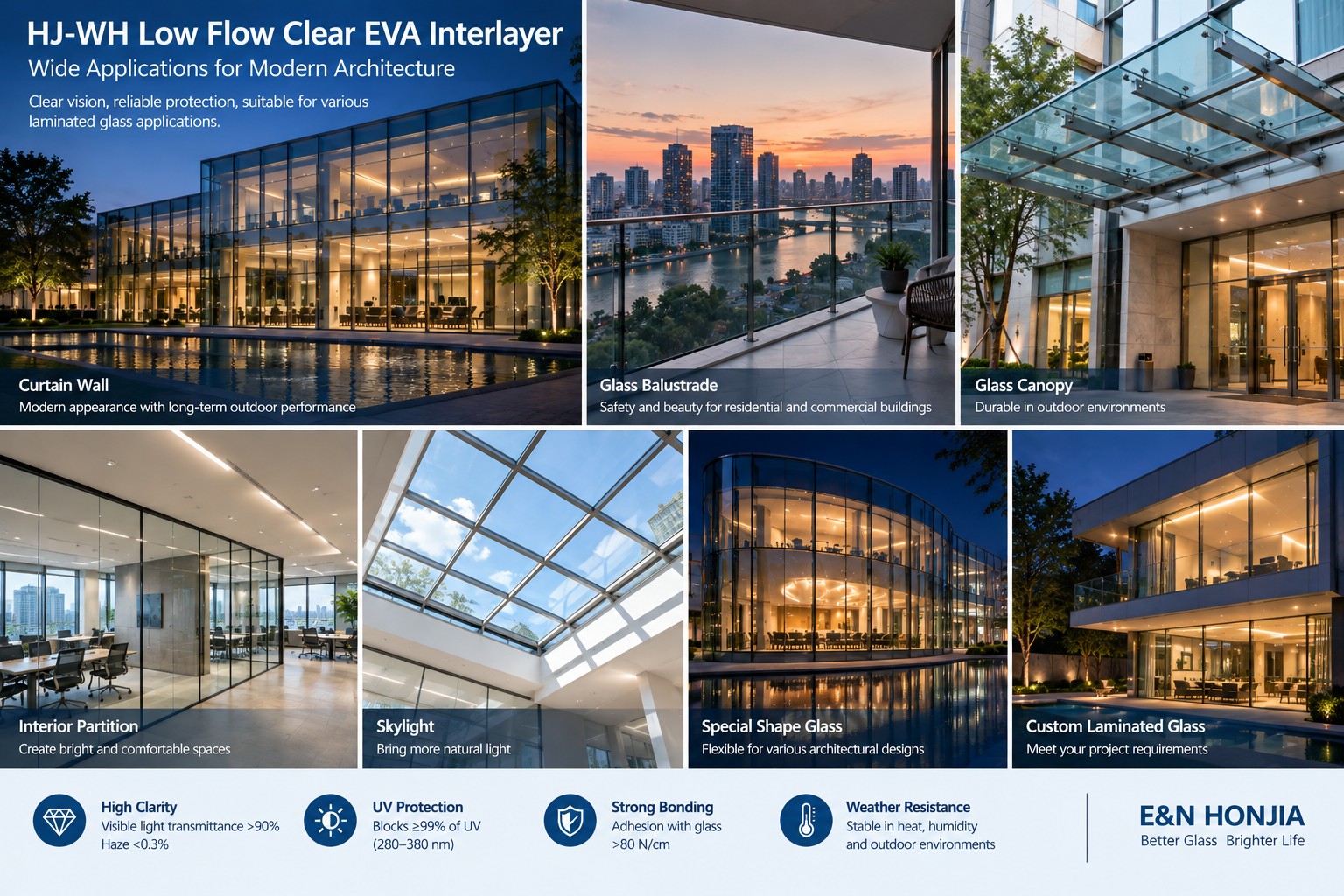
HJ-WH OR HJ-WA?
Choosing Between Low Flow and Higher Flow EVA
HJ-WH and HJ-WA are both clear EVA interlayers developed for outdoor laminated glass.
Their main difference is how the EVA moves during lamination.
| Comparison | HJ-WH | HJ-WA |
|---|---|---|
| EVA Type | Clear outdoor EVA | Clear outdoor EVA |
| Flow Behaviour | Low flow | Higher flow |
| Light Transmittance | >90% | >90% |
| Haze | <0.3% | <0.3% |
| Standard Thickness | 0.38 / 0.76 mm | 0.38 / 0.76 mm |
| Main Processing Characteristic | More controlled EVA movement | More EVA flow and penetration |
| Edge Behaviour | Better control of excessive edge flow | More material movement during heating |
| Typical Selection Reason | Processor wants tighter flow control | Processor needs more flow during processing |
Choose HJ-WH when:
You want better control of EVA movement during lamination.
You are experiencing excessive EVA flowing from the glass edges.
The finished edge requires cleaner or more controlled processing.
Your production method works better with a lower-flow interlayer.
Choose HJ-WA when:
Your glass structure requires more EVA flow during heating.
More penetration and wet-out are useful for your existing lamination process.
Your equipment or production method has already been optimized around a higher-flow EVA.
There is no universal answer to which grade is better.
If you are changing from another EVA supplier, send us your current glass structure, EVA thickness and lamination equipment. We can help compare the two grades before you move to full production.
AVAILABLE SPECIFICATIONS
Standard HJ-WH Roll Sizes
Our standard HJ-WH specifications are:
0.38 mm × 2500 mm × 100 m
0.76 mm × 2500 mm × 50 m
Other dimensions can be discussed according to the required specification and production quantity.
For a custom specification, please send:
Glass size
Required EVA thickness
Required film width
Required roll length
Approximate quantity
Finished laminated-glass application
This allows us to check the most practical production arrangement before quotation.
PROCESSING SUPPORT
Low Flow EVA Requires the Right Lamination Process
We do not recommend using one fixed lamination setting for every glass structure.
The appropriate lamination process can change according to:
Glass thickness
Number of glass layers
EVA thickness
Panel dimensions
Vacuum system
Heating equipment
Loading method
Production capacity
This is particularly important when changing from a higher-flow EVA to HJ-WH.
Because HJ-WH is designed to move less during heating, a production cycle developed for another EVA film should not automatically be copied without testing.
For a first production trial, send us your glass structure and equipment information. We can provide a processing recommendation according to your application.
A trial with the actual glass structure is recommended before moving to mass production.
PRODUCTION AND QUALITY CONTROL
How HJ-WH Is Checked Before Shipment
HJ-WH EVA film goes through production and inspection before shipment.
Film Production
The EVA film is produced according to the specified thickness, width and roll format.
Thickness and Appearance Inspection
Film thickness, roll condition and visible appearance are checked during production and final inspection.
Performance Testing
Key properties such as optical performance, bonding, crosslinking and UV-related performance are checked according to our product control requirements.
Final Roll Inspection
Finished rolls are inspected before packing to identify visible defects or specification issues.
Protective Packaging
EVA rolls are protected for transportation and packed according to the order quantity and shipping arrangement.
Carton and pallet packing can be arranged where required.
WHY E&N HONJIA
Choosing the Right EVA Is More Important Than Choosing One EVA for Everything
Different laminated-glass factories use different glass thicknesses, vacuum systems, furnaces, heating cycles and production methods.
For this reason, we do not recommend one EVA grade for every application.
HJ-WH is our low-flow outdoor clear EVA.
HJ-WA is available where higher flow is required.
Other EVA grades are available for ultra-clear glass, indoor laminated glass, decorative laminated glass and other specialized applications.
When a customer is testing a new EVA film, we prefer to understand the actual glass structure and production process first.
This allows us to recommend a film based on how the customer produces the glass, rather than asking every customer to change their production around one product.
Samples and trial orders are available for product evaluation before regular production.
FAQ
1. What is HJ-WH EVA film?
HJ-WH is a clear low-flow EVA interlayer developed for outdoor laminated glass.
It is designed for glass processors who require good optical performance and outdoor resistance together with more controlled EVA movement during lamination.
2. What is the main difference between HJ-WH and HJ-WA?
Both are clear EVA grades for outdoor laminated glass.
HJ-WH is the low-flow option, while HJ-WA has higher flow during lamination.
HJ-WH is normally selected when better control of EVA movement and reduced excessive edge flow are required.
3. Does low flow mean HJ-WH is better than HJ-WA?
No.
The two products are designed for different processing requirements.
Some glass structures work better with higher EVA flow, while others benefit from more controlled flow.
The best choice depends on your glass structure and lamination equipment.
4. What are the standard HJ-WH sizes?
The standard specifications are:
0.38 mm × 2500 mm × 100 m
0.76 mm × 2500 mm × 50 m
Other sizes can be discussed according to the required quantity and production arrangement.
5. Can the width or thickness be customized?
Yes.
Send us the required EVA thickness, width, roll length and approximate quantity. We will check whether the specification can be arranged.
6. Is HJ-WH suitable for outdoor laminated glass?
HJ-WH is developed for outdoor laminated glass and has been evaluated for UV, moisture and heat-related performance.
Final suitability still depends on the complete glass structure, installation method and project requirements.
7. What lamination temperature should I use?
The correct lamination conditions depend on the glass thickness, EVA thickness, panel size, vacuum system and heating equipment.
We do not recommend applying one temperature and cycle to every production line.
Send us your glass configuration and equipment information and we can provide a processing recommendation for your trial.
8. Can I get a sample before placing an order?
Yes.
Samples are available for product testing.
Tell us the thickness you need and the type of laminated glass you plan to produce so we can prepare the appropriate sample.
9. What is the MOQ?
We support both trial orders and regular production orders.
The practical minimum quantity depends on the required thickness, width and roll specification. Please send us your required size for confirmation.
10. What is the normal production lead time?
For standard products, the usual production lead time is around 7–15 working days after the order is confirmed.
Actual timing depends on specification, quantity and production schedule.
11. Can HJ-WH be used when the laminated glass edge remains exposed?
The performance of an exposed glass edge depends on more than the EVA film itself.
Glass processing, edge quality, installation, sealing conditions and the final environment can all affect long-term performance.
If the glass edge will remain exposed outdoors, send us the glass structure and application before specifying the product.
12. Can HJ-WH help if too much EVA flows out from the glass edge?
If excessive EVA flow is related to the flow behaviour of the current interlayer, HJ-WH may be a suitable option because it is designed for more controlled movement during lamination.
However, excessive edge flow can also be influenced by temperature, heating time, EVA thickness and the glass structure.
We recommend reviewing the complete production process rather than changing the film alone.
NEED HELP CHOOSING BETWEEN HJ-WH AND HJ-WA?
If you are not sure whether your laminated glass needs a low-flow or higher-flow EVA, send us:
Glass structure
Glass dimensions
EVA thickness currently used
Application
Lamination equipment
Current processing problem, if any
Required quantity
We can review the application and recommend the more suitable EVA grade before you start full production.
Request a Quote
Request a Sample
Contact E&N HONJIA