|
Item |
Unit |
Value / Result |
Remarks |
|
Thickness |
mm |
0.38 / 0.76 |
Standard options |
|
Width |
mm |
2000 / 2200 / 2400 |
Customizable |
|
Length (Roll) |
m |
100 (0.38 mm) / 50 (0.76 mm) |
Roll form |
|
Appearance |
— |
Clear, transparent |
Indoor use |
|
Visible Light Transmittance (VL) |
% |
> 90 |
Excellent clarity |
|
Haze |
% |
< 0.5 |
Ensures transparency |
|
UV Blocking Rate (280–380 nm) |
% |
≥ 90 |
Suitable for indoor environments |
|
Crosslinking Rate |
% |
> 80 |
Stable performance |
|
Adhesion with Glass |
N/cm |
> 70 |
Strong bonding |
|
Tensile Strength |
MPa |
> 16 |
Reliable mechanical strength |
|
Elongation at Break |
% |
≥ 700 |
High flexibility |
|
Weather Resistance |
— |
Indoor stability |
Not designed for long-term outdoor exposure |
|
Color Stability |
ΔYI |
< 1 |
No significant yellowing indoors |
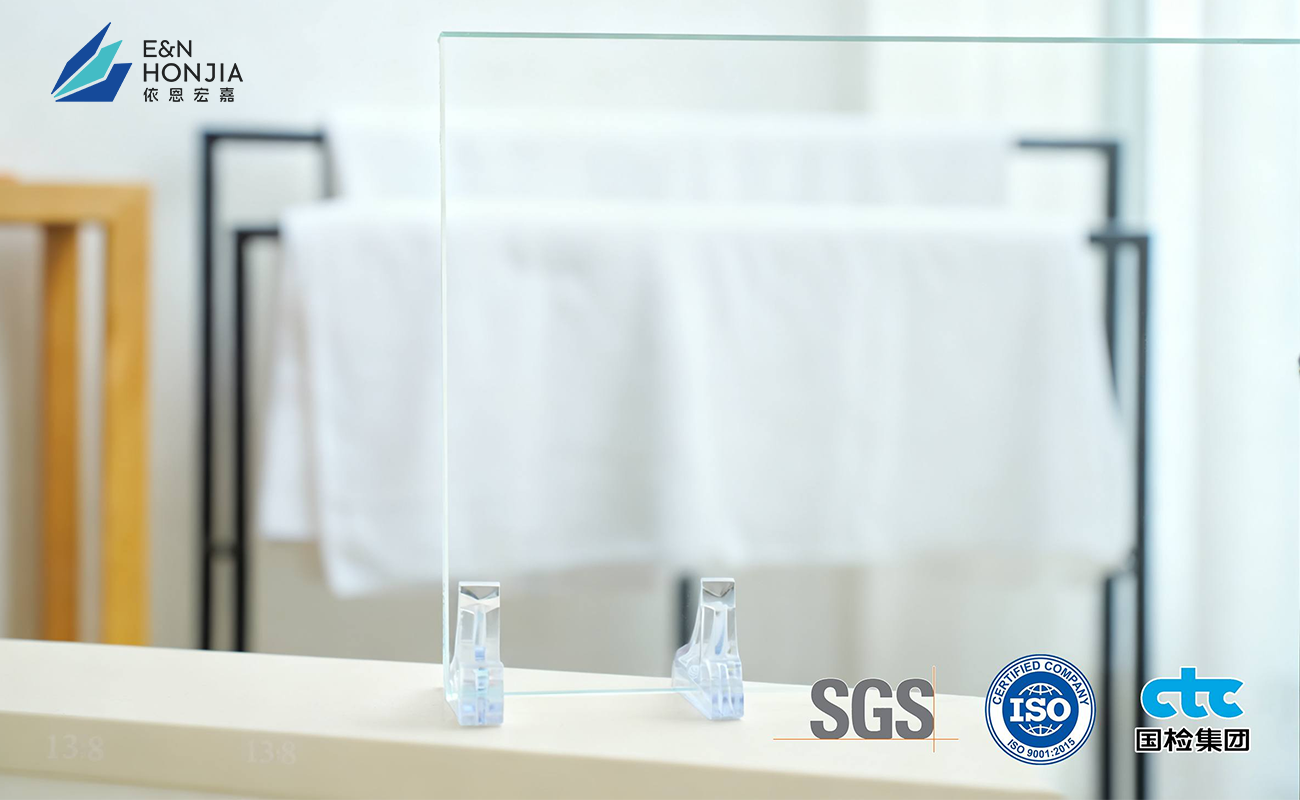
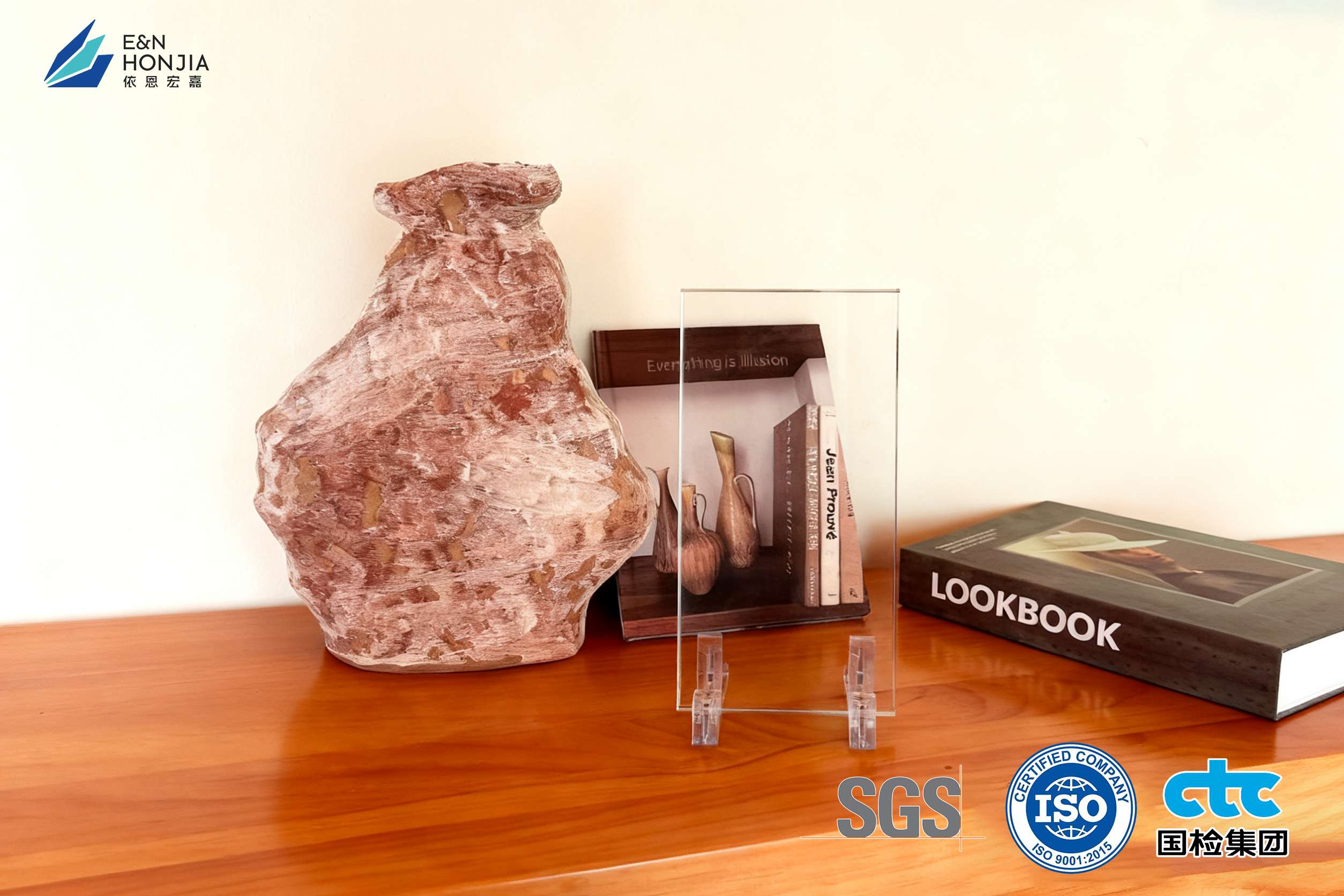
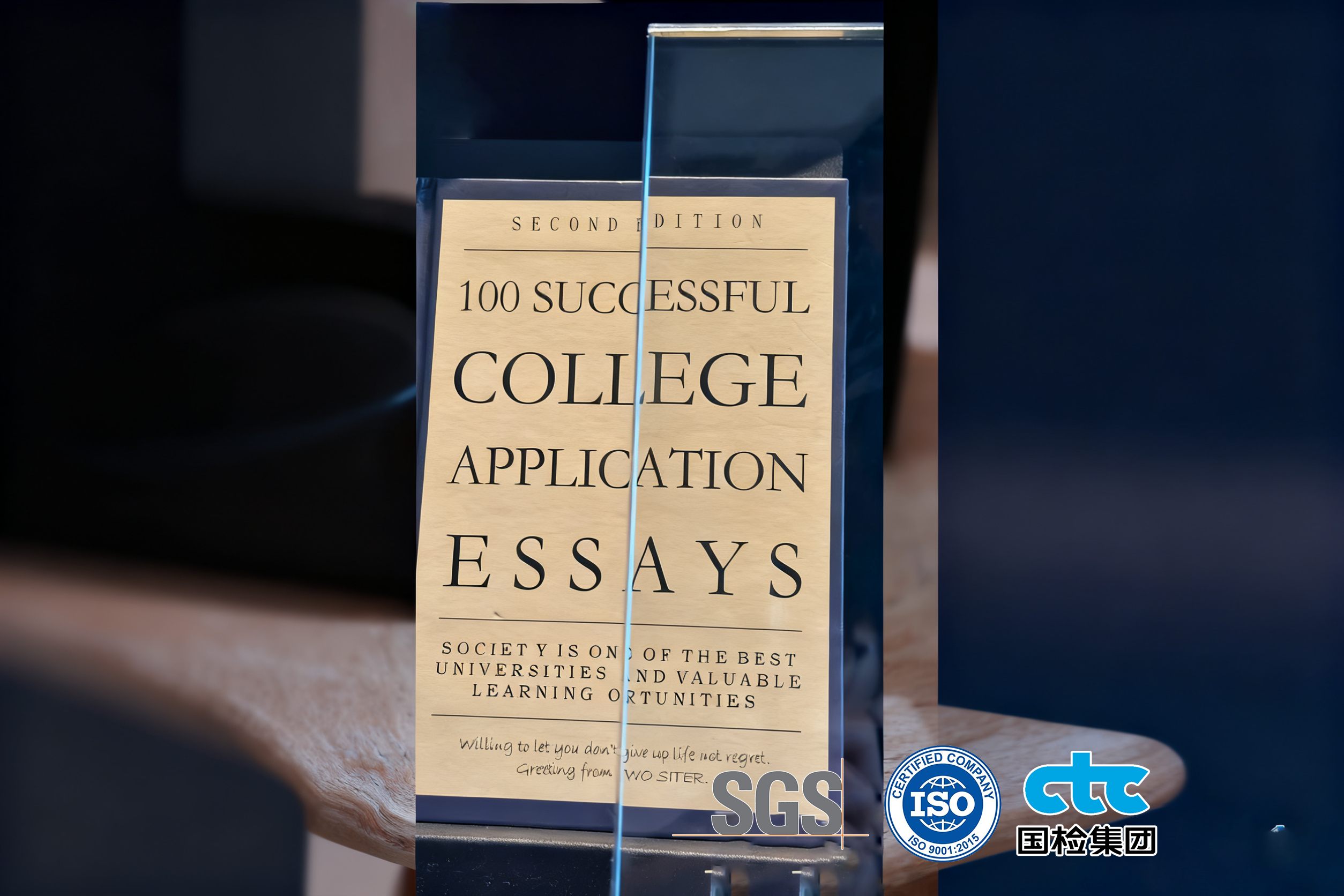
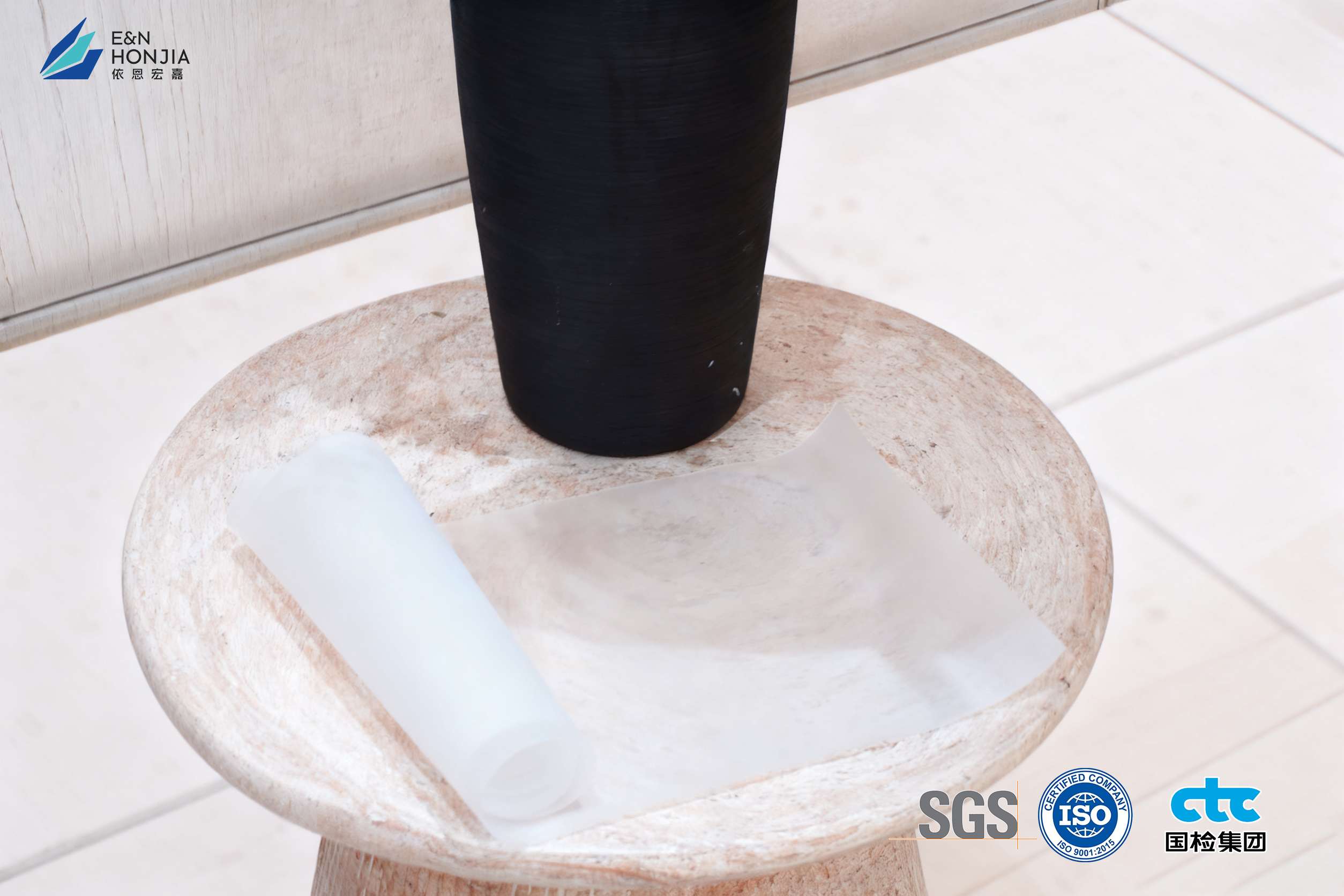
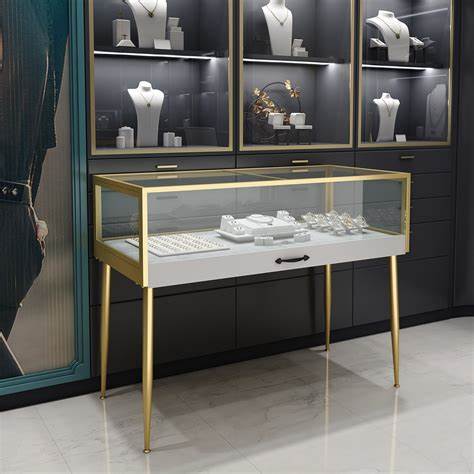
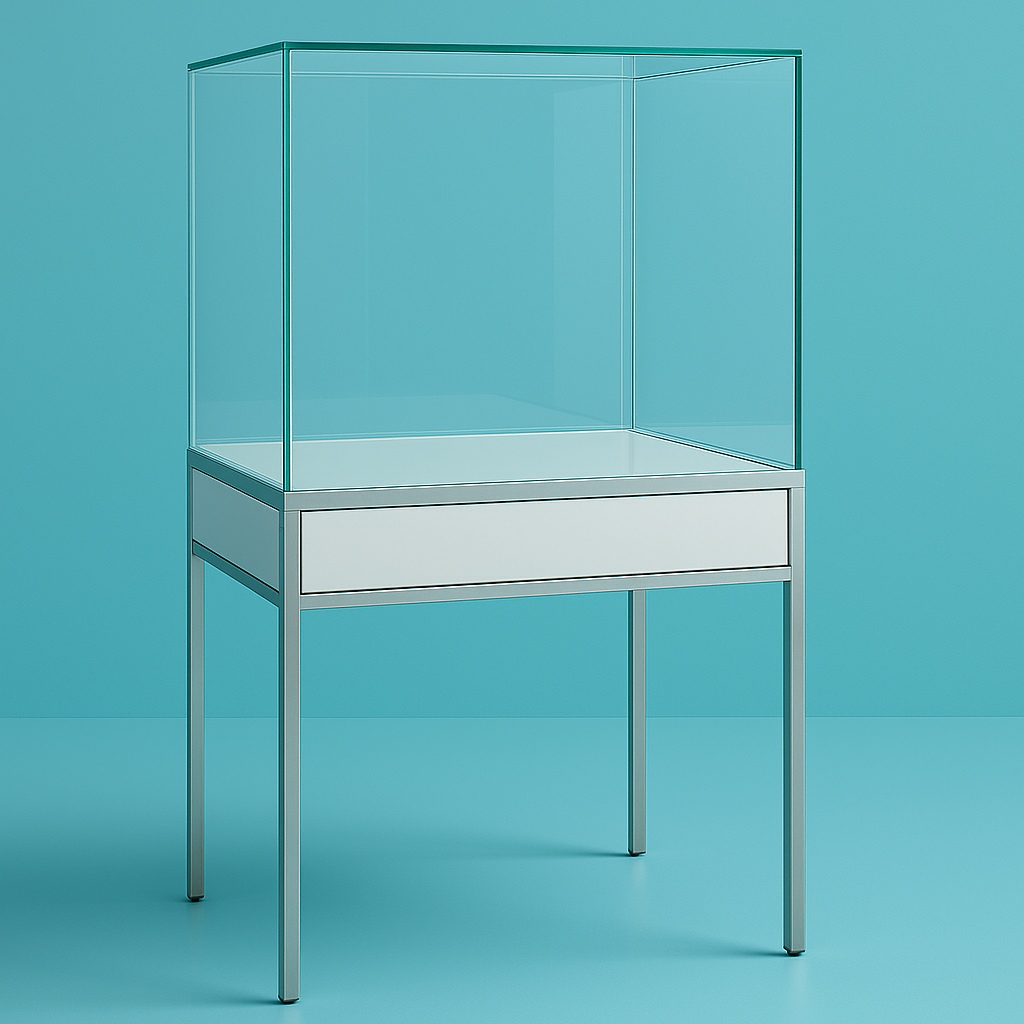
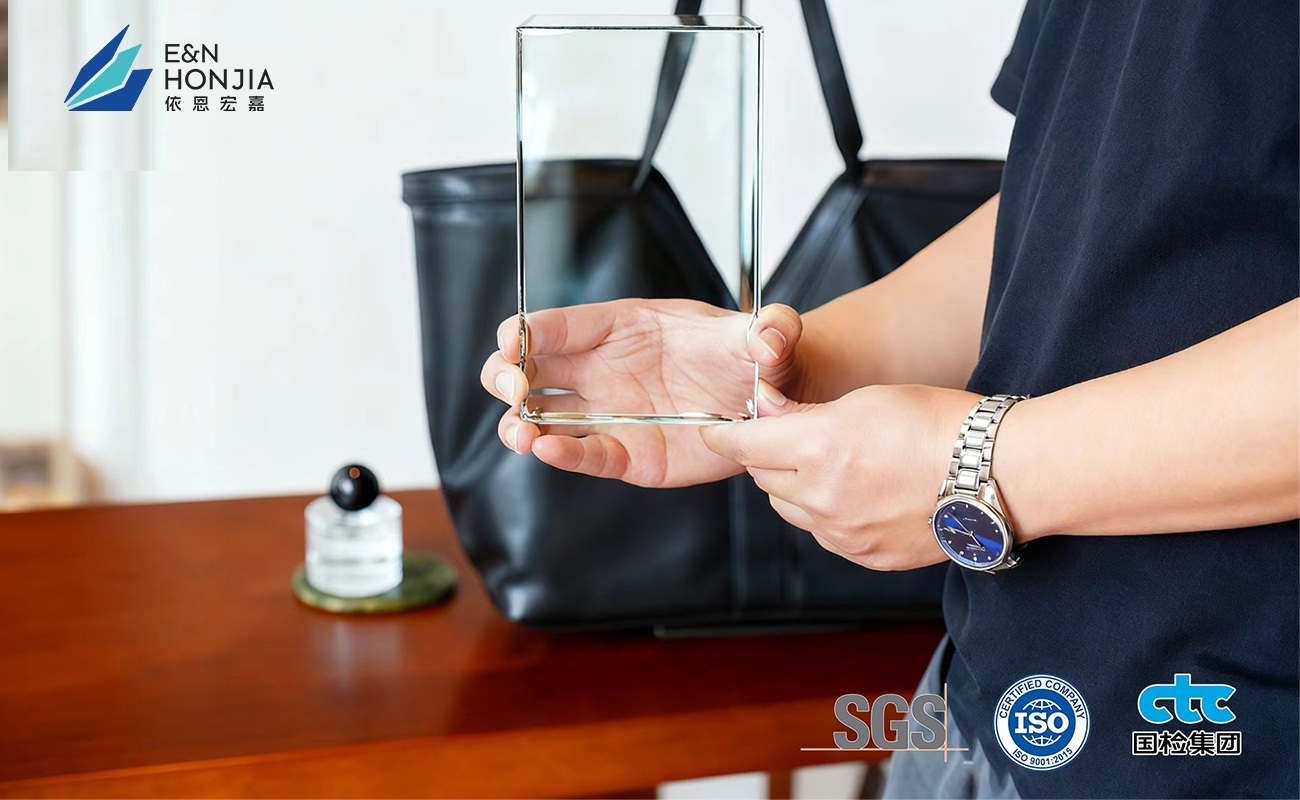
Indoor Clear EVA Interlayer
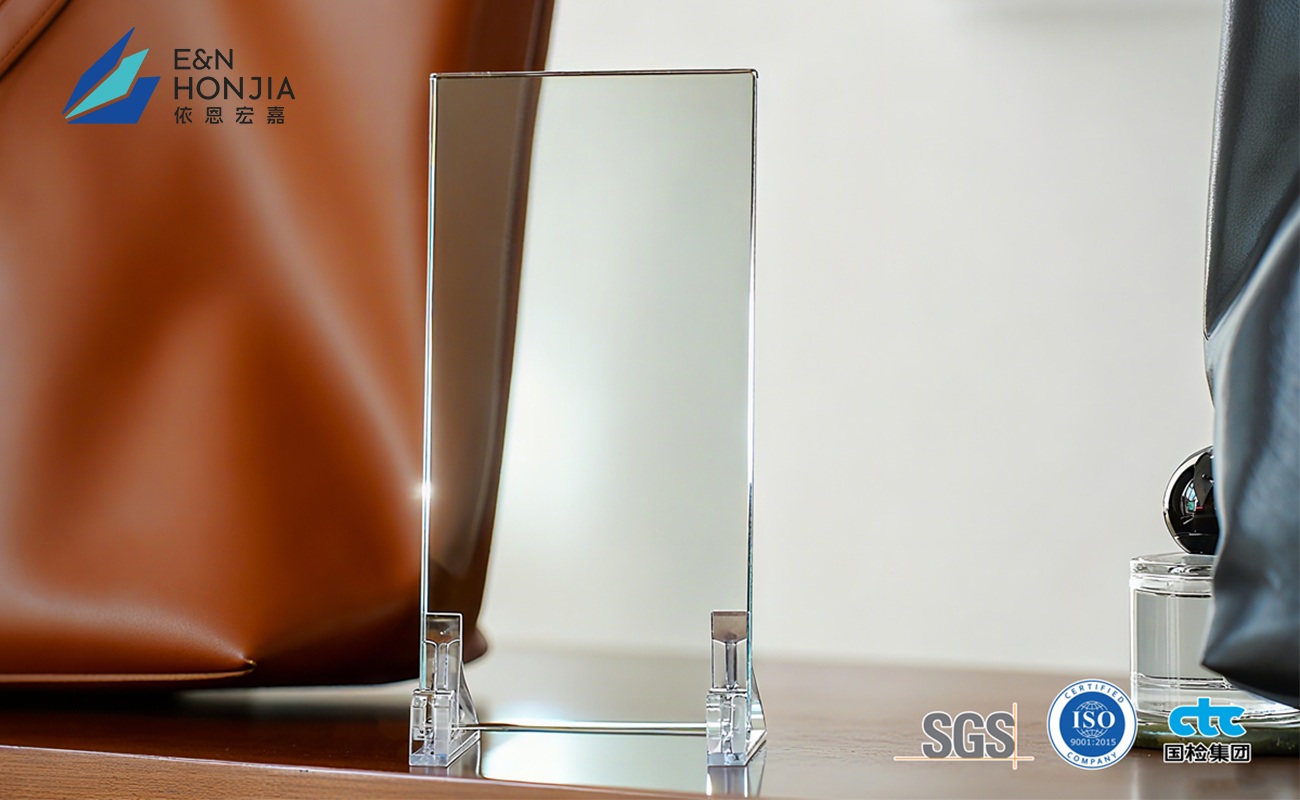
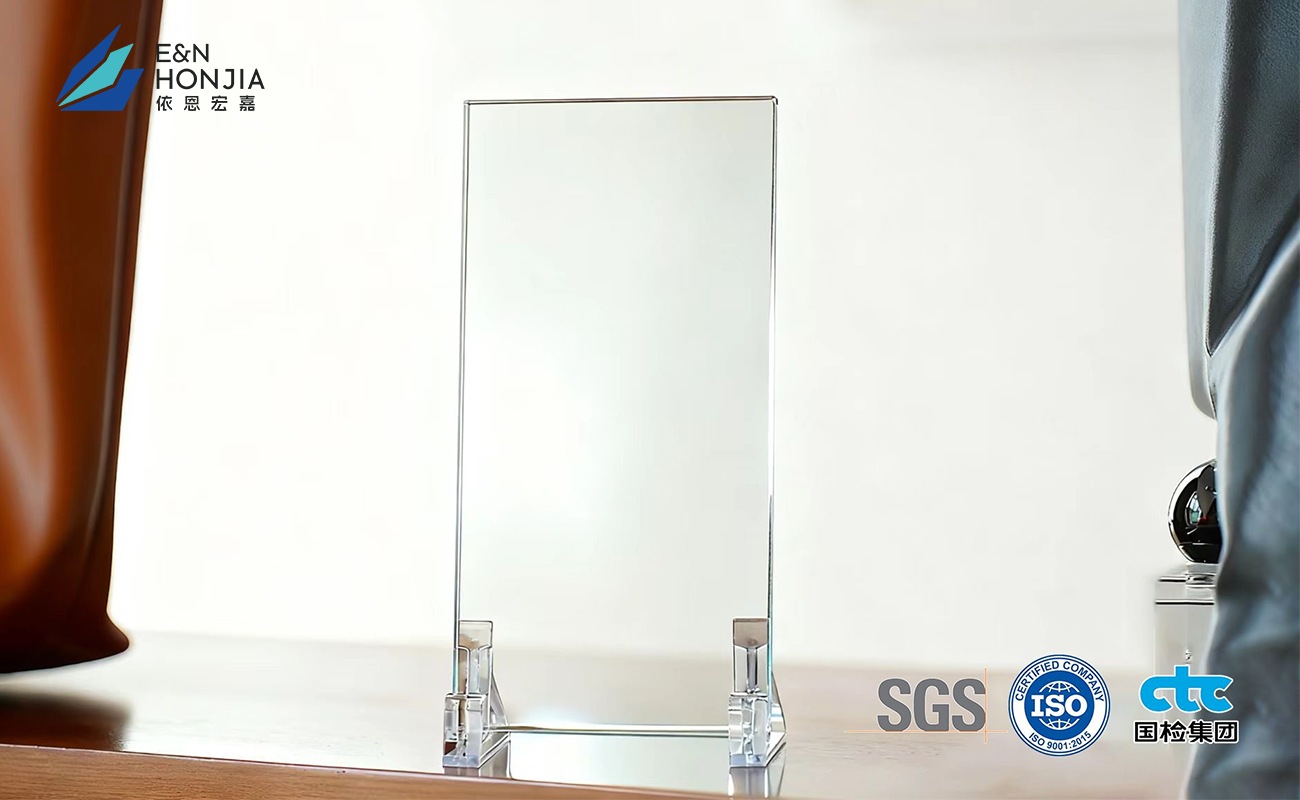
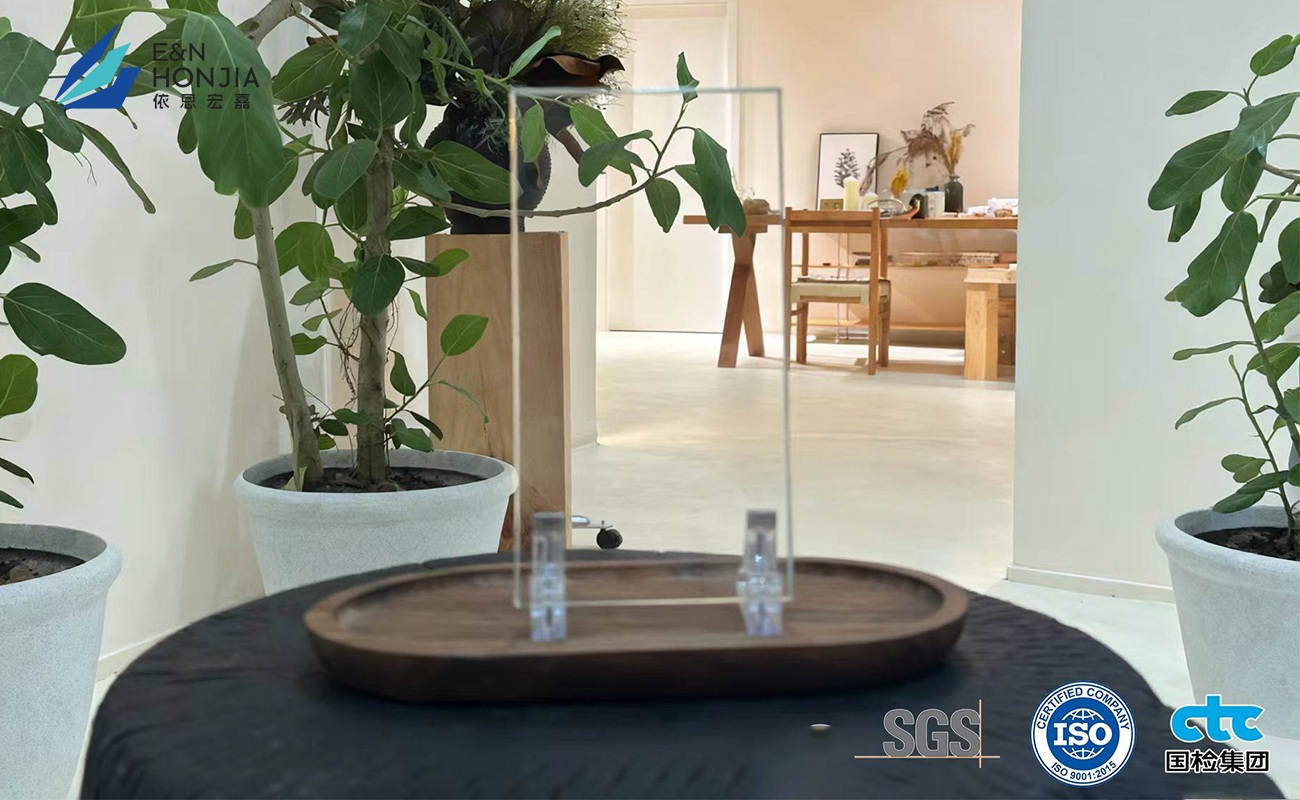
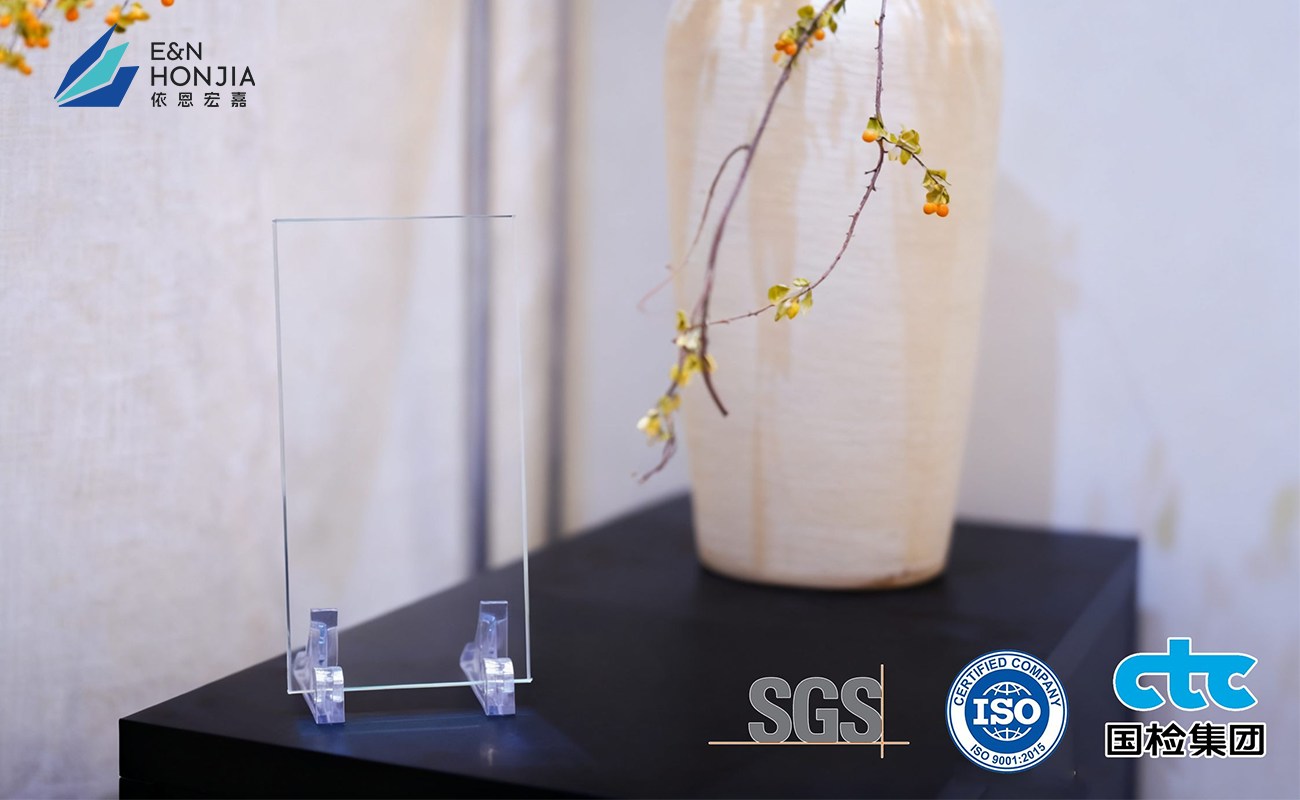
HJ-WB clear EVA interlayer for indoor laminated glass, partitions, furniture, display cases and decorative glazing. High clarity, strong glass bonding and easy processing. Available in 0.38 mm and 0.76 mm.
Product Features :
1.High Transparency
2.Stable Indoor Performance
3.Strong Adhesion to Glass
4.Excellent Color Stability
5.Mechanical Strength
6.Easy Processing
7.Flexible Specifications
8.Wide Applications
HJ-WB Clear EVA Interlayer for Indoor Laminated Glass
HJ-WB is E&N HONJIA's clear EVA interlayer developed specifically for indoor laminated glass.
It is designed for applications where good transparency, reliable glass bonding and stable indoor appearance are required, without using an outdoor-grade EVA where that additional performance is unnecessary.
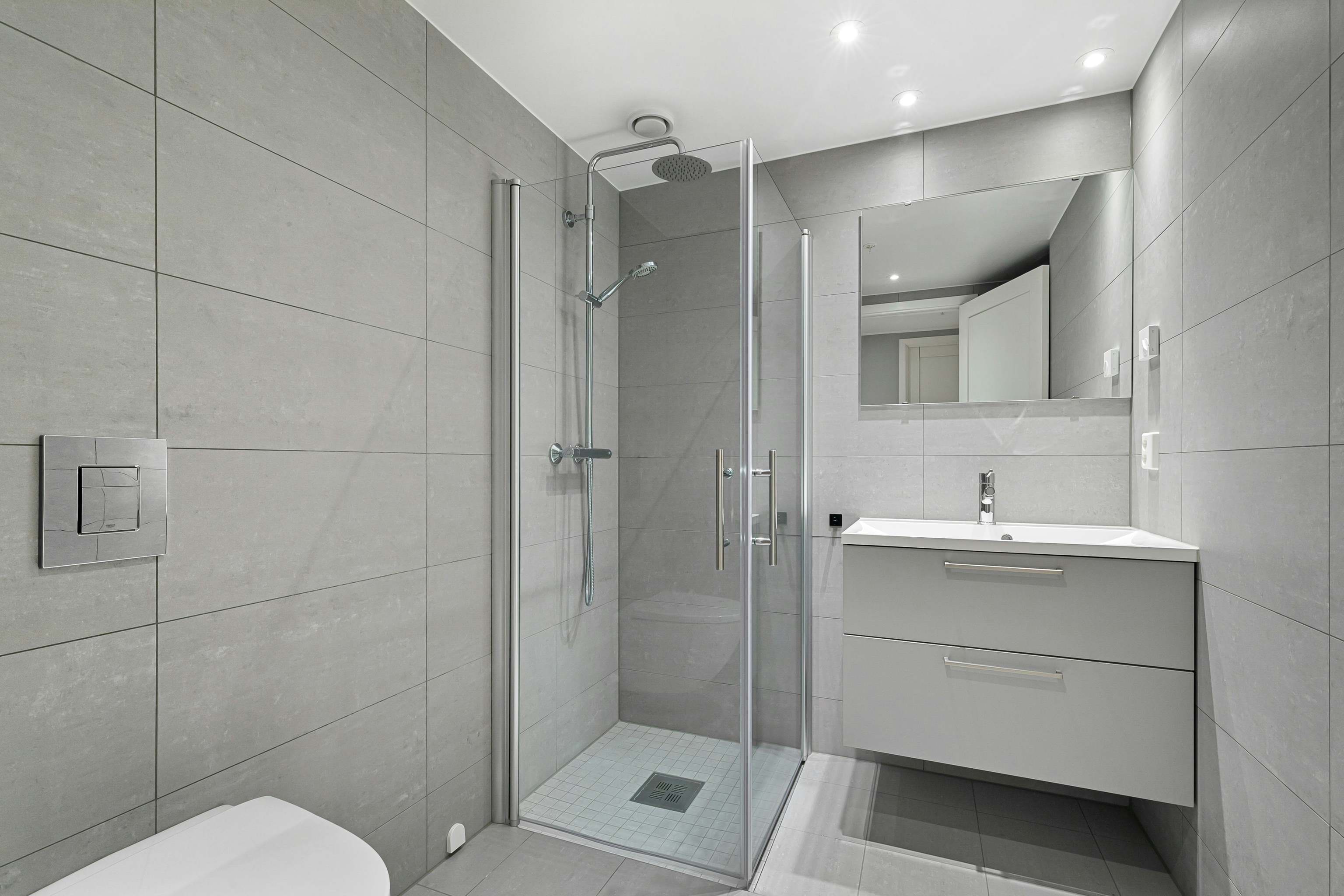
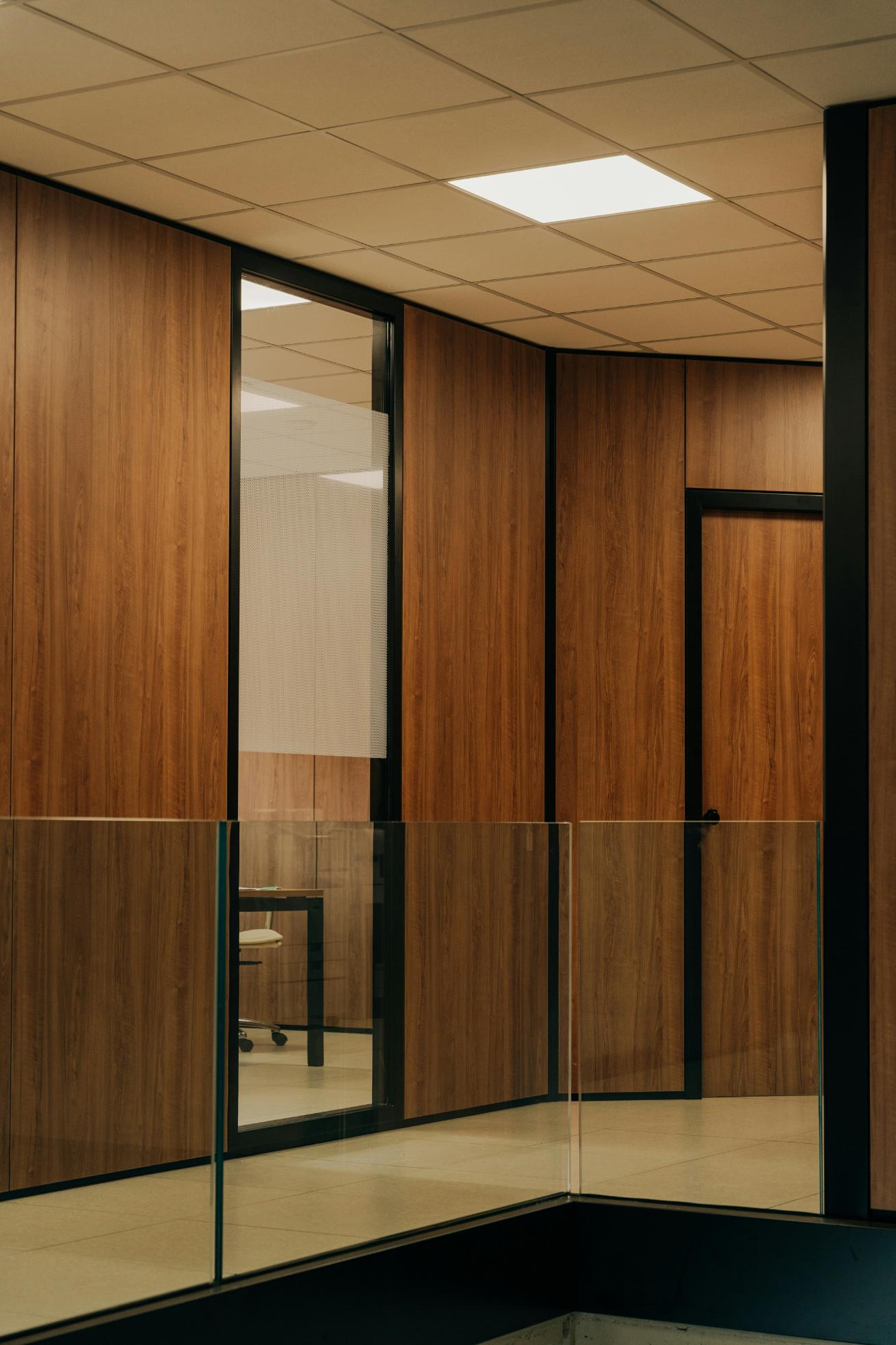
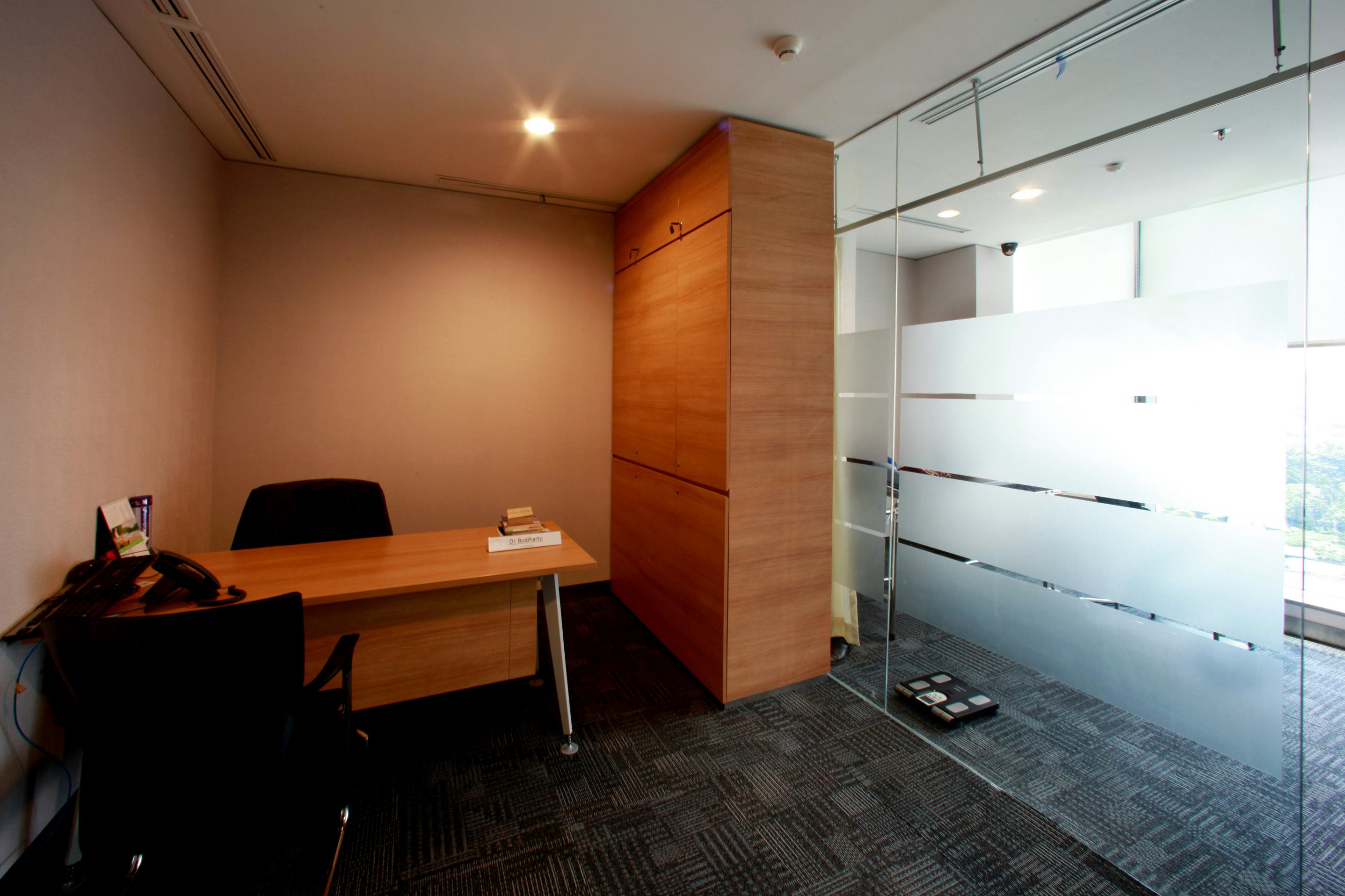
HJ-WB is commonly used in office partitions, furniture glass, display cabinets, interior doors, decorative panels, retail interiors and other indoor laminated glass products.
Visible Light Transmittance: >90%
Haze: <0.5%
UV Blocking: ≥90%
Standard Thickness: 0.38 mm / 0.76 mm
Standard Width: 2000 / 2200 / 2400 mm
Request a Quote
Request a Sample
PRODUCT OVERVIEW
Clear EVA Film Designed for Indoor Glass
Indoor laminated glass has different requirements from exterior architectural glazing.
A glass partition inside an office, a retail display cabinet or a laminated glass tabletop does not normally face the same continuous sunlight, rain, temperature cycling and outdoor humidity as an exterior façade or balcony railing.
HJ-WB was developed with these indoor applications in mind.
The film provides a clear bonding layer between glass sheets and offers the transparency, adhesion, flexibility and processing characteristics required for everyday indoor laminated glass production.
For glass processors, this also makes product selection more straightforward:
Indoor application → HJ-WB
Outdoor application → Select an appropriate outdoor EVA grade such as HJ-WA or HJ-WH
Using the EVA according to its intended environment helps avoid paying for unnecessary specifications while maintaining the performance required by the finished glass.
LAMINATED GLASS STRUCTURE
How HJ-WB Is Used in Laminated Glass
The most common structure is simple:
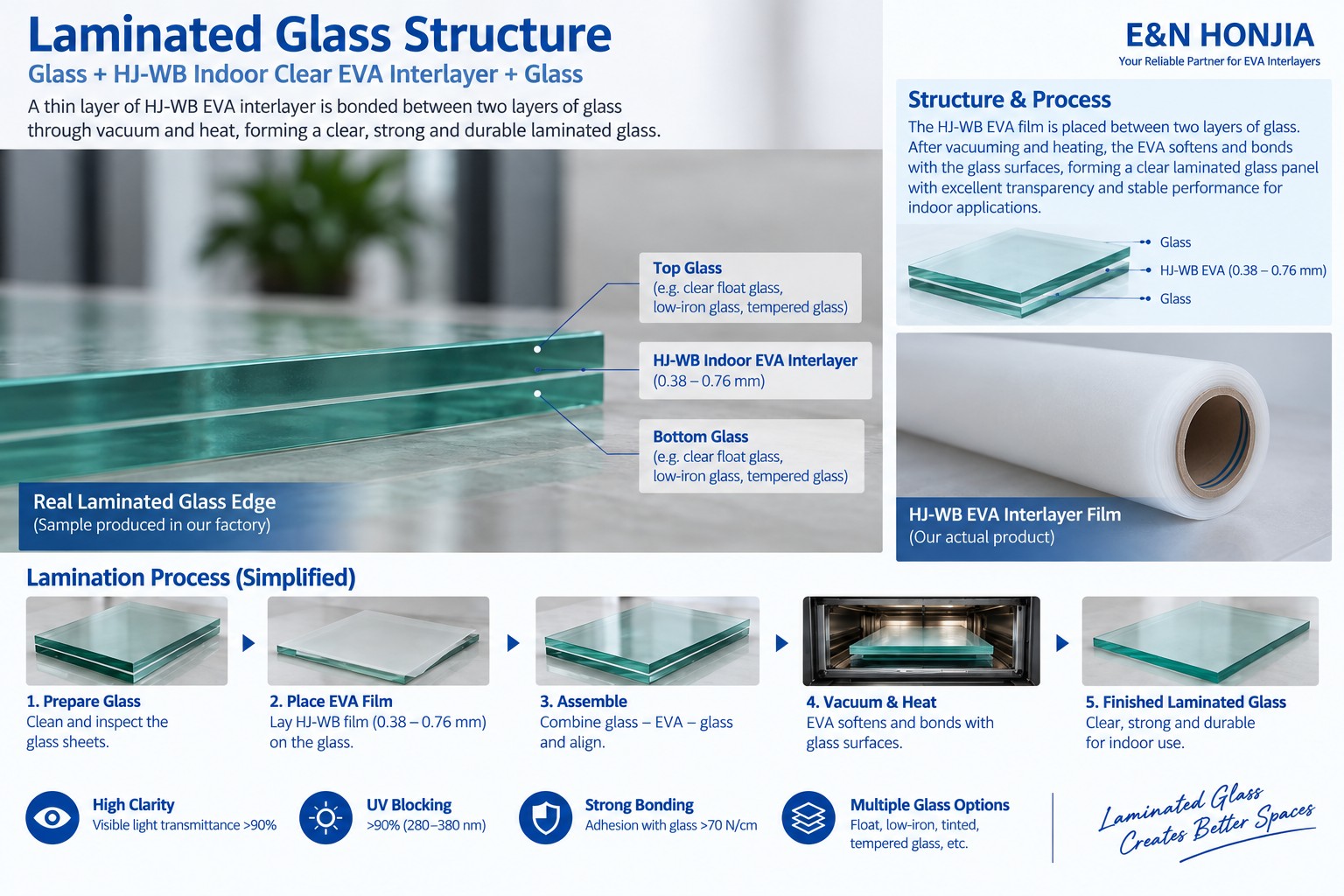
Before lamination, the HJ-WB EVA film is placed between two clean sheets of glass.
The assembled glass is then processed under vacuum and heat.
During the lamination cycle, the EVA softens, wets the glass surfaces and gradually crosslinks, bonding the separate glass sheets into one laminated panel.
Top Glass
Depending on the finished product, processors may use clear glass, low-iron glass, tinted glass, tempered glass or other suitable glass types.
HJ-WB EVA Interlayer
HJ-WB forms the bonding layer between the glass sheets.
Its role is to keep the layers bonded while maintaining a clear finished appearance.
Bottom Glass
The second glass layer completes the basic laminated structure.
Glass thickness and type should be selected according to the final product and its actual use.
Finished Laminated Glass
After the correct lamination cycle, the two sheets of glass and EVA interlayer form one bonded laminated panel.
For projects involving structural loading or specific safety requirements, the complete glass configuration should be determined according to the relevant project requirements and local standards.
WHY USE A DEDICATED INDOOR EVA?
Outdoor Performance Is Not Required for Every Piece of Laminated Glass
A common question from glass processors is:
“Can I simply use the same EVA for every laminated glass product?”
Technically, one product may sometimes be used across several applications, but it is not always the most practical choice.
Indoor and outdoor laminated glass face very different environments.
Exterior glass may experience:
-
Strong sunlight
-
Rain
-
High humidity
-
Large temperature changes
-
Long-term UV exposure
-
Exposed glass edges
Indoor glass normally operates in a much more controlled environment.
For applications that remain indoors, HJ-WB focuses on the properties that matter most:
Clear appearance
Reliable bonding
Stable indoor performance
Easy production
Practical specification options
This allows glass processors to choose the EVA according to the real application instead of automatically using an outdoor-grade product for every order.
PRODUCT FEATURES
Clear Appearance for Interior Design
HJ-WB provides visible light transmittance above 90% with haze below 0.5%.
This makes it suitable for interior glass where visibility and light transmission are important.
For office partitions, shop interiors and display glass, the laminated panel can retain an open and transparent appearance.
Good Glass Adhesion
HJ-WB provides glass adhesion above 70 N/cm under the specified test conditions.
With the correct glass cleaning, vacuum and lamination process, the EVA forms a stable bonding layer between the glass sheets.
Designed for Stable Indoor Environments
HJ-WB is formulated for interior applications rather than long-term exterior exposure.
It is suitable for laminated glass used inside offices, shops, hotels, homes, furniture and other controlled indoor environments.
Good Color Stability
For clear interior glass, the appearance of the EVA is particularly important.
HJ-WB is designed to maintain a clear appearance under normal indoor use rather than introducing unnecessary color into the finished glass.
Flexible Film Properties
The film combines tensile strength above 16 MPa with elongation at break of at least 700%.
This provides the flexibility needed during film handling and laminated-glass processing.
Practical Roll Widths
HJ-WB is available in standard widths of:
2200 mm
2400 mm
This gives processors several options when planning film cutting for different glass dimensions.
APPLICATIONS
Where HJ-WB Indoor EVA Is Commonly Used
HJ-WB is designed for a wide range of interior laminated glass products.
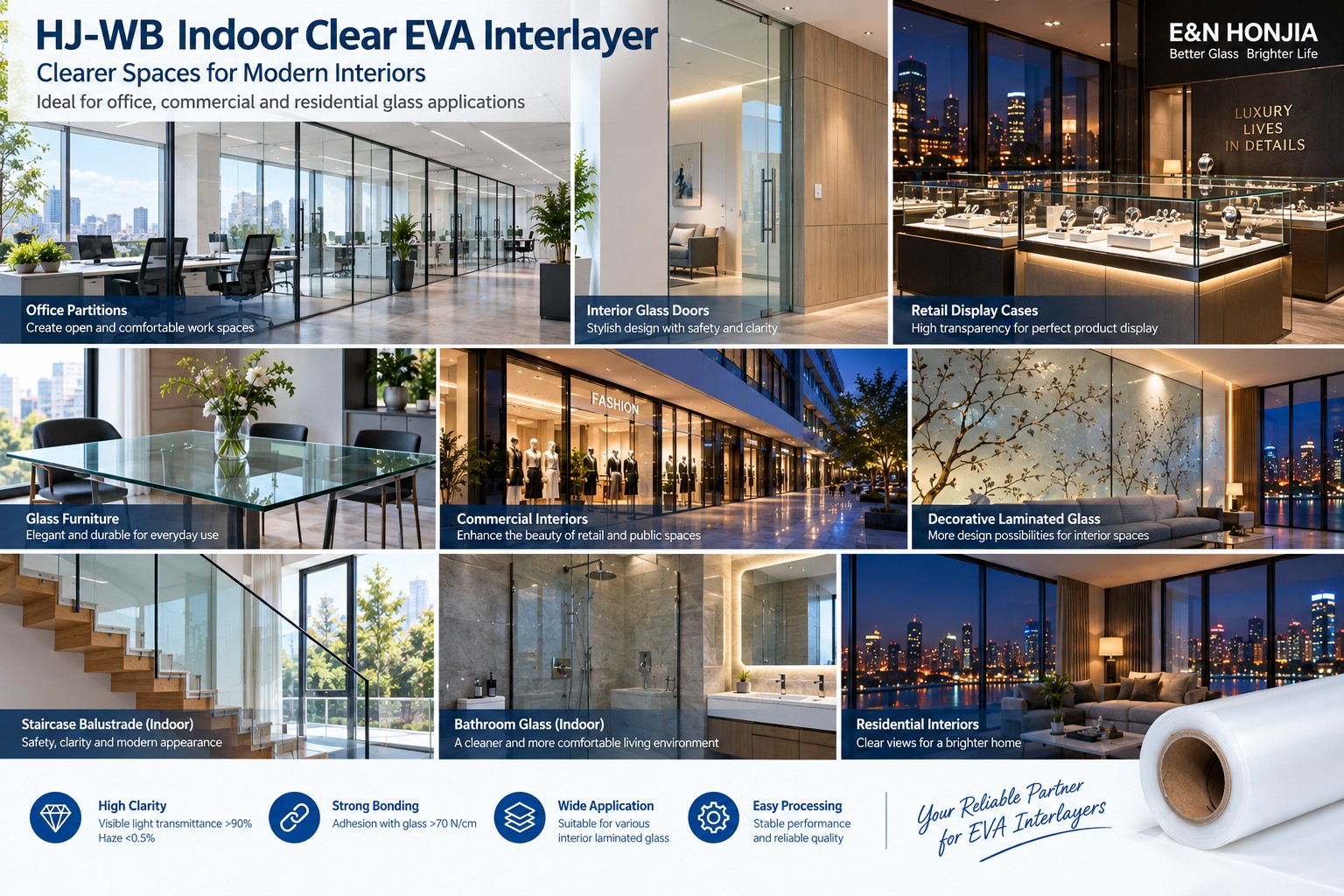
Office Glass Partitions
Clear laminated glass is widely used to divide offices and meeting rooms while maintaining an open visual connection between spaces.
HJ-WB provides a clear bonding layer suitable for this type of interior glazing.
Interior Glass Doors
HJ-WB can be used for laminated interior glass doors where transparency and a clean appearance are required.
The final glass type and thickness should be selected according to the door design and required safety performance.
Glass Furniture
Laminated glass can be used in:
-
Tabletops
-
Shelves
-
Cabinets
-
Display furniture
-
Decorative furniture panels
HJ-WB allows processors to laminate clear glass for furniture applications without unnecessarily specifying an outdoor EVA grade.
Retail Display Cases
Product visibility is particularly important in jewellery stores, showrooms, boutiques and other retail spaces.
HJ-WB can be used for clear laminated display glass where customers need to see the products inside without the interlayer becoming a distracting part of the design.
Interior Shopfront Glass
For shopping malls and indoor commercial environments, HJ-WB can be used in laminated glass panels that separate stores or display areas from common indoor spaces.
Decorative Laminated Glass
HJ-WB can also be considered for indoor decorative laminated glass structures.
For projects involving special inserts, fabrics, printed materials or other decorative elements, we recommend testing the actual structure before mass production because different insert materials can behave differently during lamination.
Residential Interior Glass
Typical indoor uses include:
-
Interior glass panels
-
Room dividers
-
Decorative doors
-
Cabinets
-
Shelves
-
Furniture glass
For wet or continuously humid areas, the glass structure and edge conditions should be reviewed separately.
Exhibition and Display Glass
Museums, exhibitions, commercial displays and showrooms often require large transparent glass surfaces.
HJ-WB provides an EVA option for laminated panels used in these controlled indoor environments.
HJ-WB VS OUTDOOR EVA
Which EVA Should You Choose?
HJ-WB should not be treated as a replacement for every outdoor EVA product.
The main question is where the finished laminated glass will actually be installed.
| Requirement | HJ-WB | Outdoor EVA Grades |
|---|---|---|
| Primary Environment | Indoor | Outdoor |
| Main Focus | Clarity + indoor stability | Clarity + outdoor durability |
| Visible Light Transmittance | >90% | Depends on grade |
| UV Protection | ≥90% | Higher outdoor-grade protection |
| Glass Adhesion | >70 N/cm | Depends on outdoor grade |
| Long-Term Exterior Exposure | Not recommended | Designed for this purpose |
| Office Partitions | Recommended | Usually unnecessary |
| Furniture Glass | Recommended | Usually unnecessary |
| Display Cases | Recommended | Usually unnecessary |
| Exterior Façades | Not recommended | Select outdoor grade |
| Exterior Balustrades | Not recommended | Select appropriate outdoor grade |
| Outdoor Canopies | Not recommended | Select appropriate outdoor grade |
Choose HJ-WB when:
The finished laminated glass will remain indoors.
The project requires clear laminated glass.
The glass is used for partitions, furniture, display cases or interior decoration.
Continuous exterior weather exposure is not expected.
Choose an outdoor EVA when:
The glass will be installed outside.
The panel will face regular sunlight, rain or high humidity.
The glass edge may be exposed to outdoor conditions.
Long-term outdoor durability is an important project requirement.
If the application is somewhere between indoor and outdoor conditions, send us the installation details before selecting the EVA.
AVAILABLE SPECIFICATIONS
Standard HJ-WB Roll Sizes
Standard thicknesses:
0.38 mm
0.76 mm
Standard widths:
2200 mm
2400 mm
Typical roll format:
0.38 mm × width × 100 m
0.76 mm × width × 50 m
For other specifications, send us:
Required thickness
Required width
Required roll length
Glass dimensions
Application
Estimated quantity
We can check the production arrangement according to the actual requirement.
PROCESSING
Good Laminated Glass Starts Before the Film Enters the Oven
EVA performance is only one part of the final laminated-glass quality.
The glass preparation and lamination process are equally important.
Clean the Glass Carefully
Glass surfaces should be clean and dry before assembly.
Dust, oil, fingerprints, water or other contamination between the glass and EVA can affect the appearance of the finished panel.
Keep the EVA Clean
Avoid unnecessary handling of the film surface.
The film should remain clean during cutting, assembly and loading.
Assemble the Glass Correctly
Position the EVA evenly between the two glass sheets and allow appropriate material around the perimeter according to the production method.
Establish a Stable Vacuum
Air removal is an important part of EVA lamination.
Vacuum conditions should be checked before and during the heating process according to the equipment being used.
Use the Correct Heating Cycle
Processing conditions depend on factors such as:
-
Glass thickness
-
EVA thickness
-
Panel dimensions
-
Number of layers
-
Vacuum equipment
-
Heating equipment
-
Loading quantity
-
Furnace characteristics
We do not recommend copying one fixed temperature and time setting to every production line.
For first-time testing, send us your glass structure and equipment information so the processing conditions can be evaluated before mass production.
COMMON QUESTIONS FROM GLASS PROCESSORS
“Why Should I Buy Indoor EVA Instead of Outdoor EVA?”
If all of your laminated glass will be used outdoors, you should select an appropriate outdoor-grade EVA.
But if you regularly produce office partitions, furniture glass, display cabinets and other interior products, using a dedicated indoor grade can make your EVA selection more practical.
The important point is to match the film to the application.
“Can HJ-WB Be Used Outdoors?”
HJ-WB is designed for indoor laminated glass.
For long-term exterior exposure, we recommend selecting an EVA grade developed specifically for outdoor use.
If the installation conditions are unclear, send us the project information before ordering.
“Can HJ-WB Be Used With Tempered Glass?”
HJ-WB can be used as an interlayer in laminated-glass structures using suitable processed glass.
The exact glass type, thickness and structure should be determined according to the finished product requirements.
“Can HJ-WB Be Used for Decorative Inserts?”
It may be possible depending on the insert material.
Fabric, printed films, paper, mesh and other decorative materials can behave differently when heated.
We recommend laminating a small actual sample before mass production rather than assuming every decorative material is compatible.
PRODUCTION AND QUALITY CONTROL
Consistency Matters in Everyday Glass Production
For a glass processor, one good roll is not enough.
The film needs to remain reasonably consistent from one production batch to the next so that the lamination process does not need to be repeatedly adjusted.
HJ-WB production focuses on several practical areas:
Thickness
Film thickness is checked according to the required specification.
Width and Roll Condition
Roll dimensions and general roll condition are checked before packing.
Appearance
The clear film is inspected for visible production defects.
Performance
Key product properties are checked according to the applicable internal product requirements.
Packaging
Finished EVA rolls are protected for storage and transportation before shipment.
HJ-WB FOR REGULAR INDOOR GLASS PRODUCTION
HJ-WB is not intended to be the EVA solution for every laminated-glass application.
It has a specific job:
Producing clear laminated glass for indoor environments.
For a processor manufacturing office partitions, furniture glass, retail displays, decorative panels or other interior glass products, this makes EVA selection easier.
Use the indoor grade for indoor work.
Use the appropriate outdoor grade when outdoor durability is required.
And for special structures, test the actual glass construction before moving into regular production.
FAQ
1. What is HJ-WB?
HJ-WB is E&N HONJIA's clear EVA interlayer developed for indoor laminated glass.
Typical applications include office partitions, furniture glass, display cases, interior doors, decorative panels and retail interior glazing.
2. What thicknesses are available?
Standard HJ-WB thicknesses are:
0.38 mm
0.76 mm
Contact us if your project requires another specification.
3. What widths are available?
Standard widths include:
2200 mm
2400 mm
The most suitable width can be selected according to your glass dimensions and cutting arrangement.
4. What is the light transmittance?
HJ-WB has visible light transmittance above 90% under the specified test conditions.
Haze is below 0.5%.
5. Is HJ-WB suitable for outdoor laminated glass?
HJ-WB is designed for indoor use and is not our recommended grade for continuous long-term outdoor exposure.
For outdoor laminated glass, please select one of our outdoor EVA grades according to the glass structure and processing requirements.
6. What is the difference between HJ-WB and HJ-WA/HJ-WH?
HJ-WB is an indoor clear EVA.
HJ-WA and HJ-WH are intended for outdoor clear laminated glass and provide a different level of performance for exterior environments.
HJ-WA and HJ-WH also have different flow characteristics to suit different processing requirements.
7. Can I test a sample first?
Yes.
For a new EVA grade or a new glass structure, we recommend testing before moving to full production.
Send us your required thickness and application so we can prepare the appropriate sample arrangement.
8. Can you recommend processing conditions?
Yes.
Send us:
Glass structure
Glass thickness
Panel dimensions
EVA thickness
Vacuum equipment
Heating equipment
We can review the information and provide processing suggestions for your trial.
9. Can HJ-WB be used for decorative laminated glass?
It can be considered for many indoor decorative applications.
If the structure contains fabric, printed material, mesh or another insert, we recommend testing the actual material first because compatibility varies between insert materials.
10. What is the normal production lead time?
For standard products, the normal production lead time is approximately 7–15 working days after the order is confirmed.
Actual timing depends on specification, quantity and current production schedule.
11. Can the EVA be supplied in custom sizes?
Different production arrangements can be discussed according to thickness, width, roll length and quantity.
Send us your required specification for confirmation.
12. How do I know whether I should use indoor or outdoor EVA?
Start with the final installation environment.
If the laminated glass will remain inside a controlled indoor environment, HJ-WB can be considered.
If the glass will be exposed to rain, direct outdoor sunlight, high humidity or continuous exterior weather conditions, an outdoor EVA grade is normally the more appropriate choice.
For uncertain applications, send us a photo, drawing or description of the finished glass installation.
NOT SURE WHICH EVA TO USE?
Send us:
Glass size
Glass structure
Required EVA thickness
Indoor or outdoor application
Finished glass product
Lamination equipment
Estimated quantity
We can help you compare the available EVA grades before you start production.
Request a Quote
Request a Sample
Contact E&N HONJIA