|
Item |
Unit |
Value / Index |
Remarks |
|
Product Name |
— |
Ionoplast interlayer (SGP)
|
— |
|
Composition |
— |
Ethylene–methacrylic acid ionomer copolymer |
Blended with functional additives |
|
Thickness |
mm |
0.76/0.89/1.14/1.52/2.28
|
Customizable upon request |
|
Width |
mm |
up to 2500 |
— |
|
Length (Roll) |
m |
100 (0.89 mm) / 50 (1.52 mm) |
Supplied in roll form |
|
Basis Weight |
g/㎡ |
~360 (0.38 mm equivalent) |
Varies with thickness |
|
Visible Light Transmittance |
% |
≥ 90 |
High optical clarity |
|
Haze |
% |
< 0.5 |
Clear visibility |
|
UV Blocking (280–380 nm) |
% |
≥ 99 |
Excellent UV protection |
|
Yellowing Index (ΔYI) |
— |
< 1.5 |
Superior anti-yellowing stability |
|
Tensile Strength |
MPa |
> 34 |
More than 2× stronger than PVB |
|
Tear Resistance |
kN/m |
> 100 |
Significantly higher than PVB |
|
Rigidity (Modulus) |
— |
5× higher than PVB |
Enhanced structural capacity |
|
Adhesion with Glass |
— |
Excellent |
Suitable for bare-edge applications |
|
Weather Resistance |
— |
Pass |
Resistant to heat, humidity, UV, and outdoor exposure |
|
Operating Temperature Range |
°C |
-20 ~ +80 |
Long-term stability |
|
Shelf Life / Storage |
— |
12–24 months in sealed packaging |
Store in cool, dry conditions |
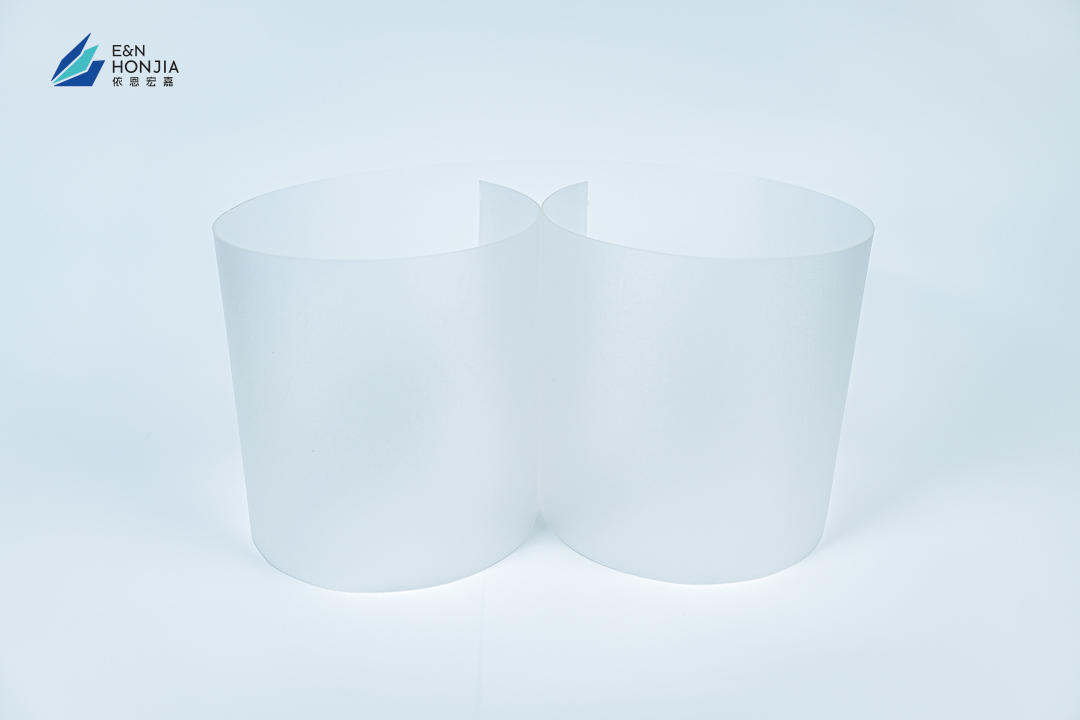

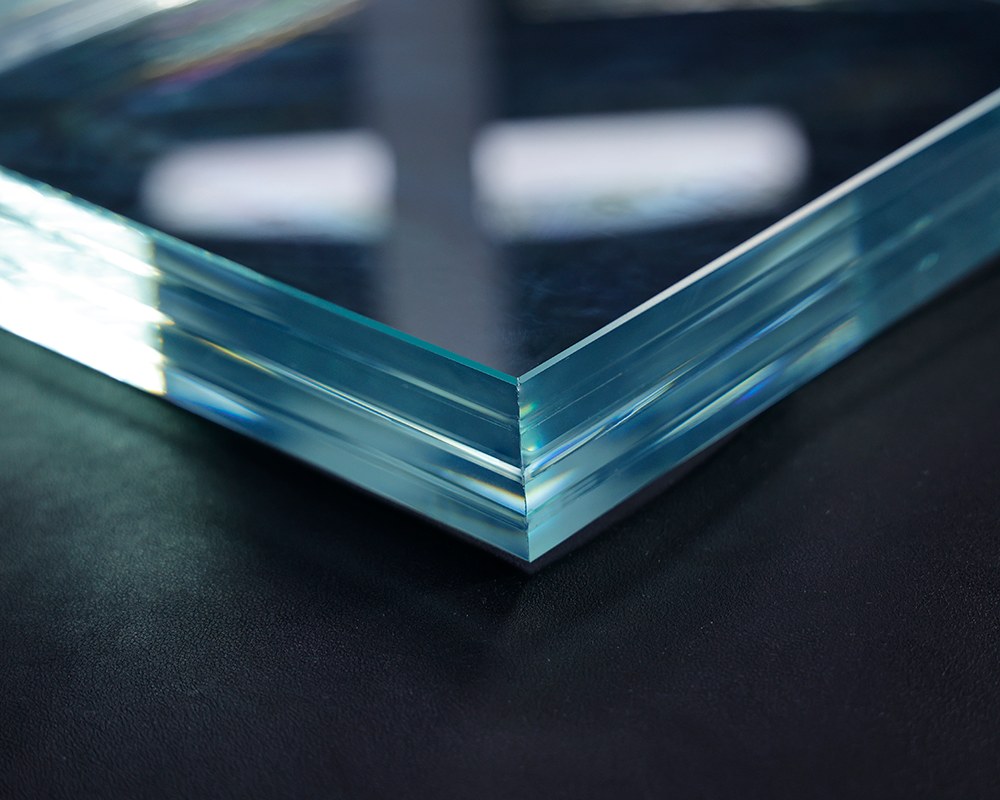
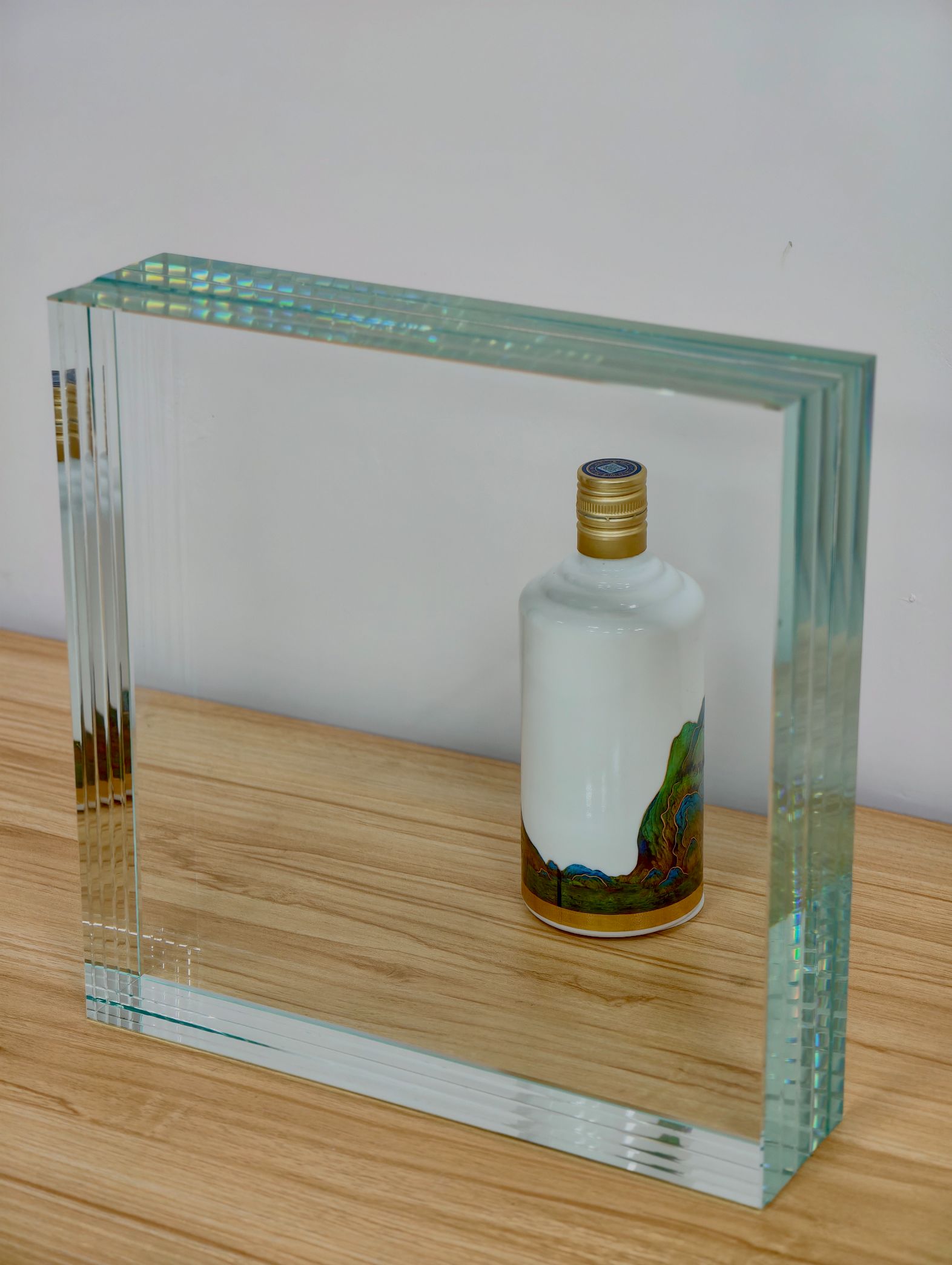
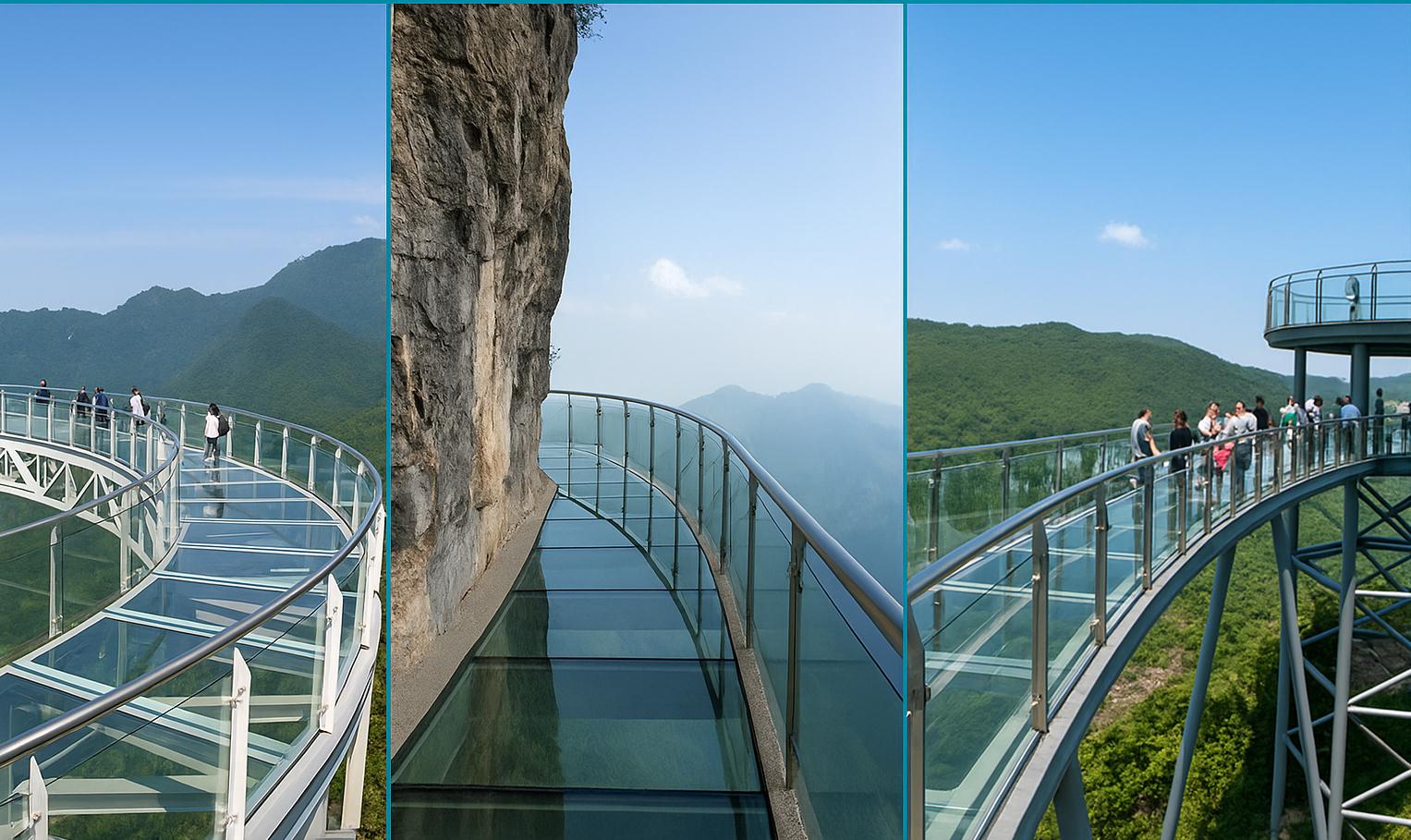

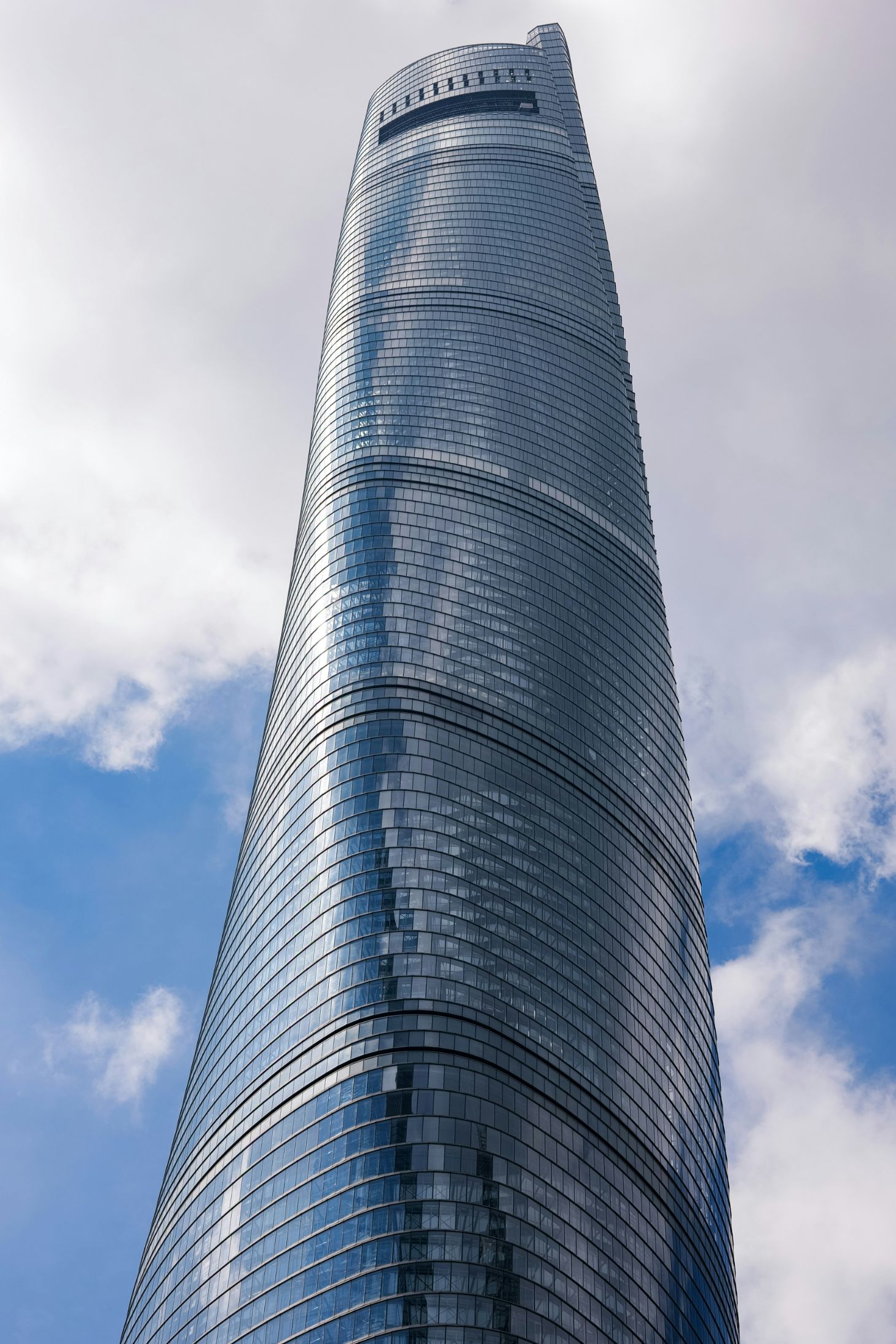
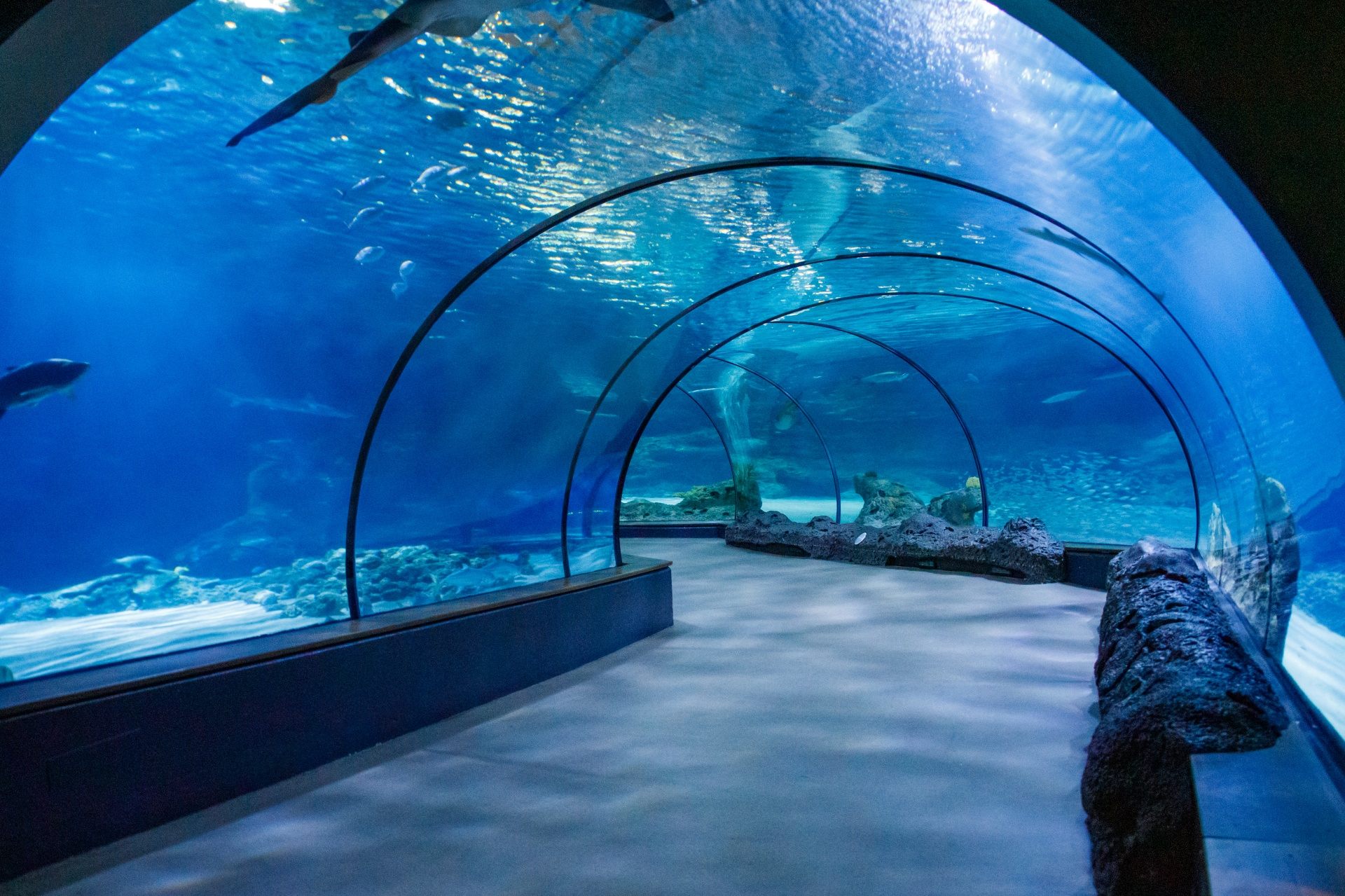
Ionoplast Interlayer(SGP)
E&N HONJIA Ionoplast Interlayer (SGP) is developed for laminated glass applications where higher interlayer stiffness, strong glass bonding, optical clarity and reliable post-breakage performance are required.
Product Features :
1.High Strength & Rigidity
2.Superior Optical Clarity
3.Excellent Anti-Yellowing Performance
4.UV Protection
5.Strong Adhesion & Edge Stability
6.Impact & Safety Performance
7.Durability & Weather Resistance
8.Wide Applications
SGP Ionoplast Interlayer for Structural Laminated Glass
High-stiffness interlayer for structural, safety and demanding architectural laminated glass
E&N HONJIA Ionoplast Interlayer (SGP) is developed for laminated glass applications where higher interlayer stiffness, strong glass bonding, optical clarity and reliable post-breakage performance are required.
Compared with conventional flexible interlayers, ionoplast provides stronger shear transfer between the glass plies under appropriate design conditions. This allows laminated glass to work more effectively as a composite structure and makes ionoplast particularly suitable for structural glazing applications such as balustrades, façades, canopies, skylights, glass fins and floors.
For structural projects, interlayer selection should never be based on thickness alone. Glass type, panel dimensions, support conditions, design load, temperature, load duration and post-breakage requirements should all be considered when determining the final laminated glass configuration.
Product Highlights
| Feature | E&N HONJIA Ionoplast Interlayer |
|---|---|
| Product Type | High-performance ionoplast interlayer |
| Appearance | Clear / high transparency |
| Standard Thickness | 0.76 / 0.89 / 1.14 / 1.52 mm |
| Maximum Width | Up to 3700 mm |
| Visible Light Transmittance | ≥90% |
| Haze | <0.5% |
| UV Blocking | ≥99% at 280–380 nm |
| Tensile Strength | >34 MPa |
| Tear Resistance | >100 kN/m |
| Glass Bonding | Strong adhesion |
| Main Applications | Structural and safety laminated glass |
| Supply Form | Rolls / project-specific sizes |
What Is an Ionoplast Interlayer?
An ionoplast interlayer is a thermoplastic polymer sheet used between two or more glass plies to manufacture high-performance laminated glass.
Its most important difference from a conventional flexible interlayer is its relatively high stiffness.
When laminated glass is subjected to wind load, human impact, point loads or other forces, the individual glass sheets tend to move relative to each other. A higher-stiffness interlayer can transfer more shear force between the glass plies, allowing the glass layers to work together more effectively.
This composite action can help control glass deflection and influence stress distribution within the laminated glass structure.
However, the mechanical behavior of an interlayer is not represented by one fixed stiffness value. Performance varies with temperature, load duration and laminate configuration. Structural glass calculations should therefore use appropriate engineering data for the actual project conditions.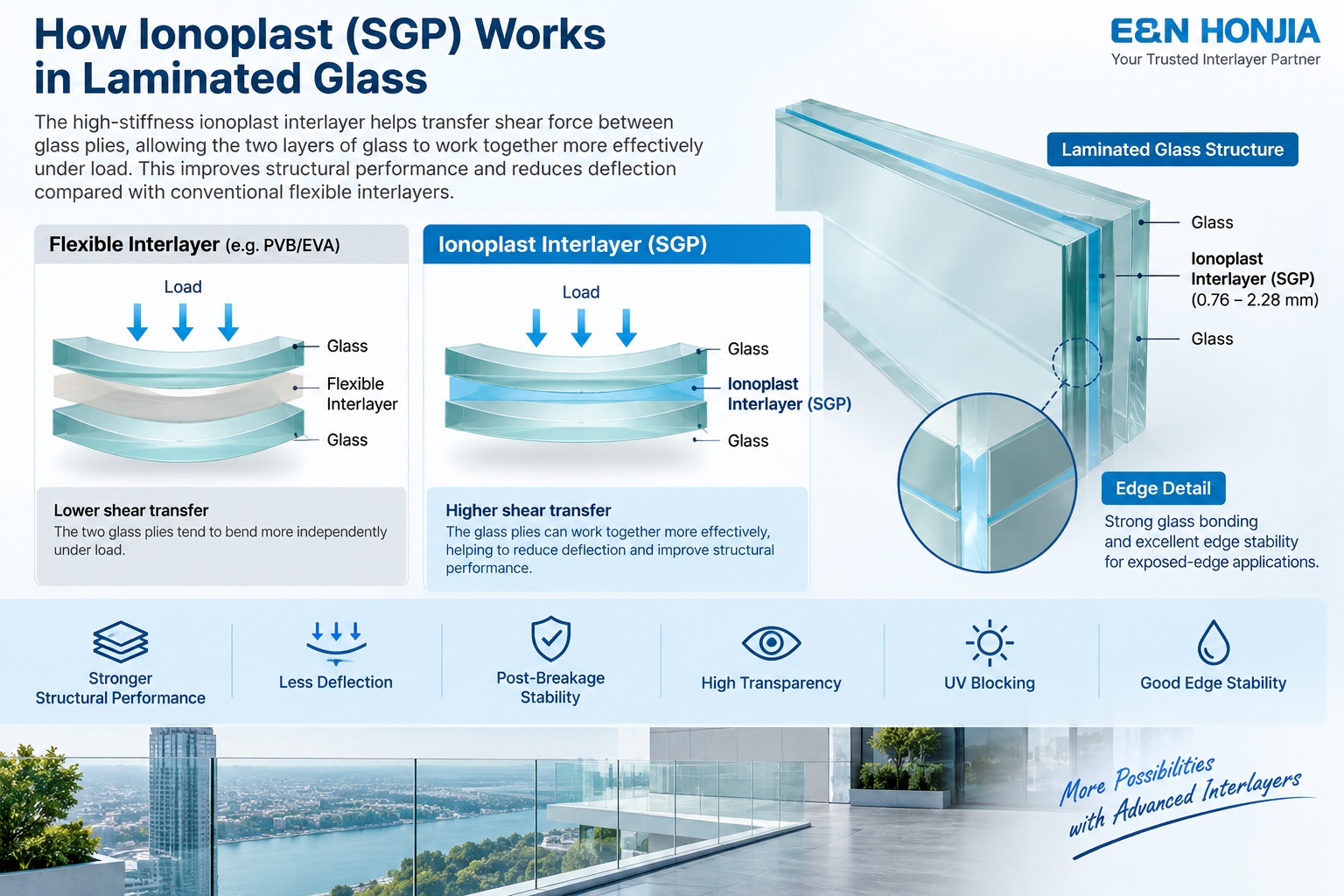
Why Use Ionoplast in Structural Laminated Glass?
For standard laminated glass, the main purpose of the interlayer may simply be to retain broken glass.
Structural glazing often requires more.
The glass may need to control deflection under load, remain stable after one glass ply breaks, resist environmental exposure or maintain the integrity of an exposed-edge construction.
Ionoplast is commonly selected for these projects because it combines:
High interlayer stiffness
Supports more effective shear transfer between glass plies.
Strong glass bonding
Helps maintain the integrity of the laminated glass construction.
Post-breakage stability
Helps retain fractured glass and contributes to residual stability after breakage.
High optical clarity
Suitable for transparent architectural glass, including low-iron glass constructions.
Weather and edge stability
Useful for architectural systems where laminated glass edges may remain exposed.
How Ionoplast Changes the Behavior of Laminated Glass
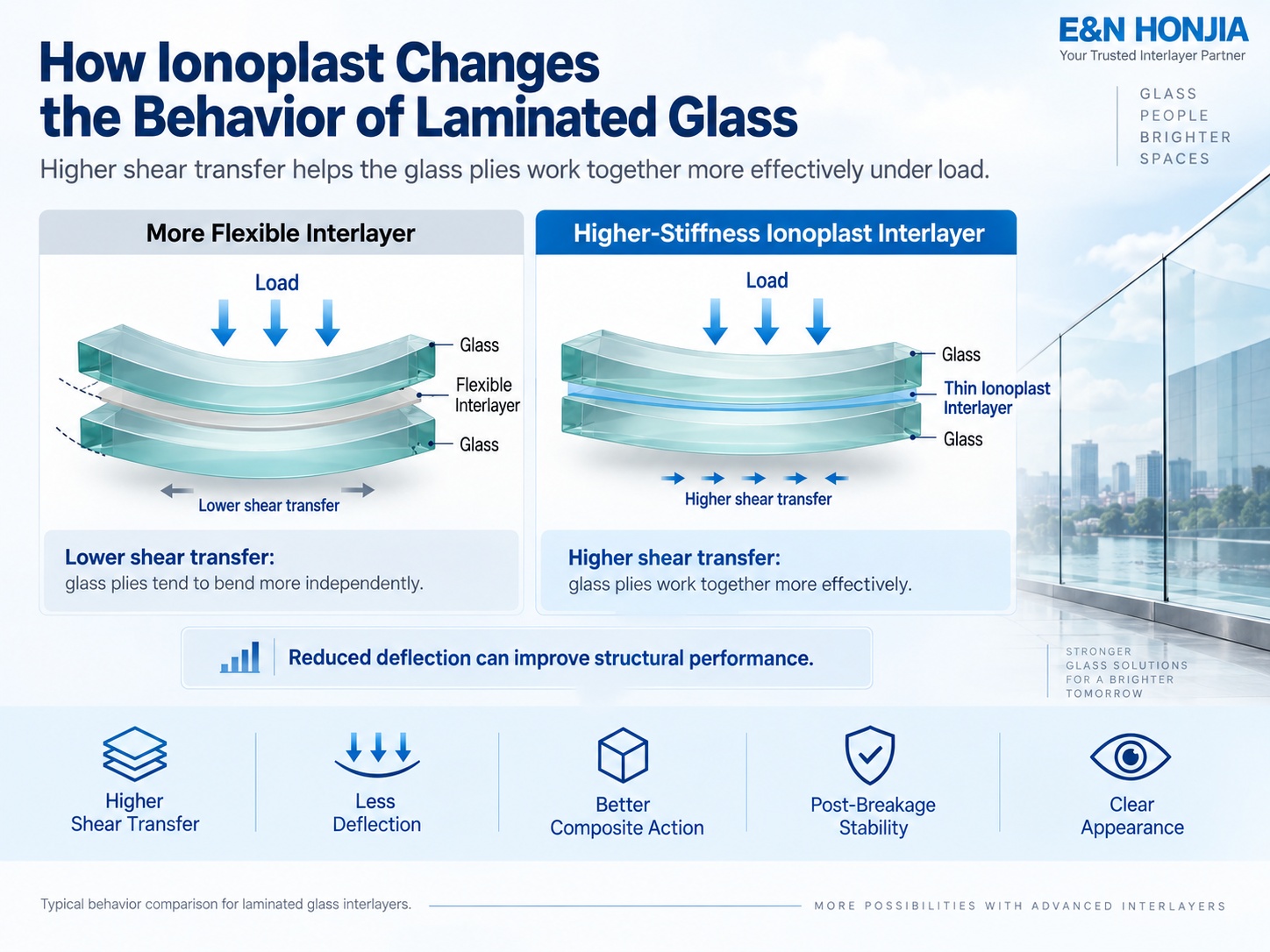
The glass sheets in a laminate do not automatically behave like one solid piece of glass.
The interlayer influences how much load is transferred from one glass ply to another.
More Flexible Interlayer
Glass
↓
Flexible Interlayer
↓
Glass
The individual glass plies may behave more independently under load.
Higher-Stiffness Ionoplast Interlayer
Glass
↓
Ionoplast Interlayer
↓
Glass
More shear force can be transferred between the glass plies, allowing stronger composite action under suitable temperature and loading conditions.
This is one reason ionoplast interlayers are frequently considered where glass deflection, structural behavior and residual performance are important design factors.
Post-Breakage Performance
What Happens If the Laminated Glass Breaks?
For structural glazing, performance after breakage can be just as important as performance before breakage.
When one or more glass plies fracture, the interlayer helps retain the broken fragments and keeps the laminate together.
A high-stiffness ionoplast interlayer can provide greater residual stability than a more flexible interlayer when used in an appropriately designed glass construction.
This consideration is particularly important for applications such as:
Glass balustrades
The glazing may need to remain temporarily stable after one glass ply breaks.
Canopies and overhead glazing
Broken glass retention is important to reduce the risk of falling fragments.
Glass floors and walkways
Multi-ply laminated glass may require residual performance after breakage.
Structural façades and glass fins
Post-breakage behavior may form part of the overall façade safety strategy.
The final post-breakage performance depends on the complete glass construction, fixing method, support conditions and project design—not on the interlayer alone.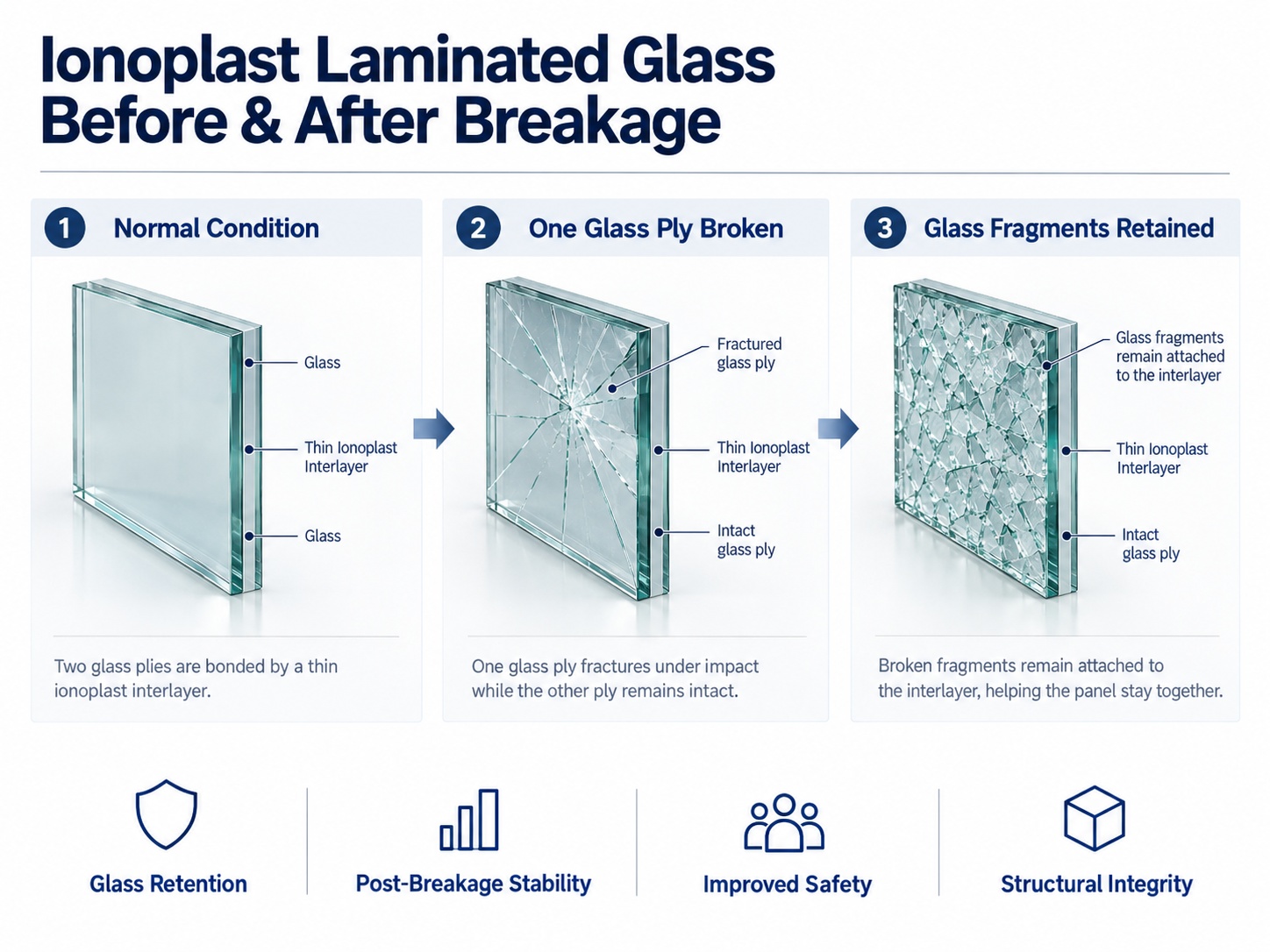
Ionoplast vs PVB vs EVA
Different interlayers are designed for different laminated glass requirements. There is no single interlayer that is the best choice for every project.
| Requirement | Ionoplast | PVB | EVA |
|---|---|---|---|
| Structural stiffness | High | Formulation-dependent | Application-dependent |
| Structural laminated glass | Strong advantage | Widely used with appropriate design | Project-specific |
| Post-breakage structural applications | Strong advantage | Depends on laminate design | Depends on laminate design |
| Standard safety glazing | Yes | Very common | Yes |
| Exposed-edge glazing | Well suited when properly processed | Product selection is important | Good option depending on EVA grade |
| Decorative encapsulation | Possible | Possible | Strong advantage |
| Fabric / mesh / decorative inserts | Not typical | Possible | Strong advantage |
| PDLC laminated glass | Not normally first choice | Application-dependent | Dedicated EVA grades available |
| Vacuum furnace processing | Not typical | Not typical | Common |
| Autoclave lamination | Common | Common | Not normally required |
For projects where structural behavior and residual stability are the main priorities, ionoplast is often the preferred starting point.
For decorative laminated glass, encapsulation or PDLC processing, EVA may be the more practical solution.
How to Select Ionoplast Thickness
Ionoplast thickness should be selected together with the complete glass structure rather than considered as an isolated specification.
E&N HONJIA supplies common thicknesses including:
0.76 mm
0.89 mm
1.14 mm
1.52 mm
A thicker interlayer does not automatically mean that the complete laminated glass is structurally adequate.
The correct glass construction depends on:
- Glass thickness
- Glass type
- Panel dimensions
- Number of glass plies
- Support conditions
- Design wind or imposed load
- Temperature
- Load duration
- Required residual performance
- Local building regulations
For structural or safety-critical projects, the complete glass assembly should be checked by the project engineer.
Typical Laminated Glass Configurations
Two-Ply Laminated Glass
Glass
Ionoplast Interlayer
Glass
A basic ionoplast laminated glass structure used for a range of architectural and safety glazing applications.
Tempered Laminated Balustrade Glass
Tempered Glass
Ionoplast Interlayer
Tempered Glass
Commonly considered where safety, glass retention and post-breakage stability are important.
Multi-Ply Structural Laminated Glass
Glass
Ionoplast Interlayer
Glass
Ionoplast Interlayer
Glass
Multi-ply constructions may be considered for demanding structural, floor, security or specialty applications.
These diagrams are examples only. Final glass thickness, interlayer thickness and laminate configuration must be determined according to project loads, dimensions, fixing conditions and applicable standards.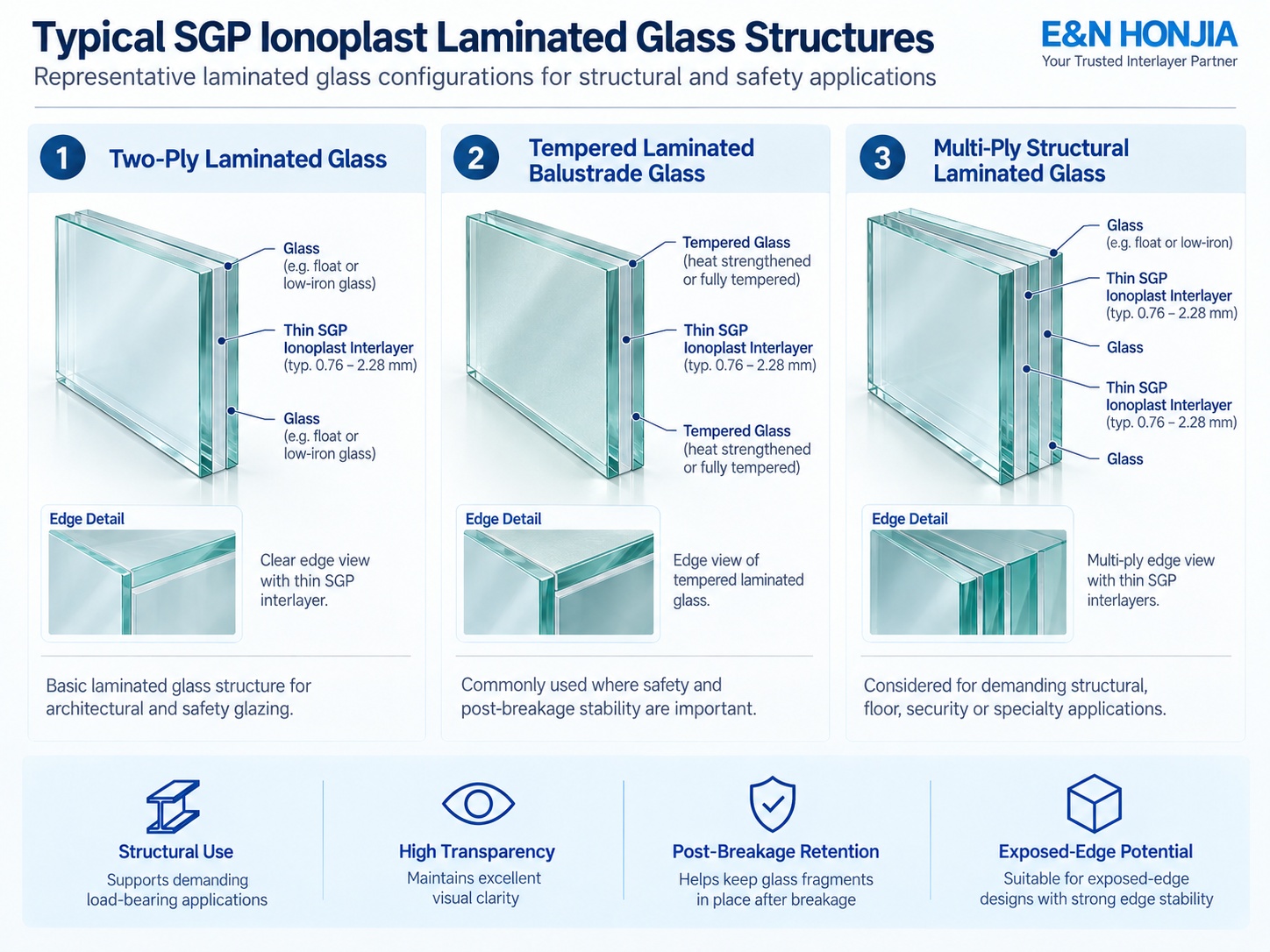
Exposed-Edge Laminated Glass
Why Edge Stability Matters
Some architectural laminated glass systems have little or no edge cover.
Typical examples include:
Frameless balustrades
Point-supported façades
Glass fins
Canopies
Butt-jointed glazing
In these applications, the laminated glass edge may be exposed to moisture, temperature changes and long-term outdoor conditions.
Ionoplast is widely used in exposed-edge structural glazing because of its strong glass bonding and resistance to environmental conditions.
However, the complete system still needs to be considered. Sealants, coatings, edge treatments, setting blocks and other materials in contact with the laminate should be checked for compatibility.
Optical Performance
Structural Performance Without Sacrificing Transparency
Structural glass is often designed to remain visually light and transparent.
This means the interlayer must provide mechanical performance without unnecessarily reducing the optical quality of the finished laminate.
E&N HONJIA Ionoplast Interlayer offers:
Visible Light Transmittance ≥90%
Haze <0.5%
This makes it suitable for applications where transparency is an important architectural requirement.
When used with low-iron glass, a high-clarity interlayer can help maintain a cleaner and more neutral appearance, particularly in thicker or multi-ply laminated glass constructions.
Typical applications include:
Luxury storefronts
Observation areas
Museums
Structural glass fins
High-end façades
Large transparent glass panels
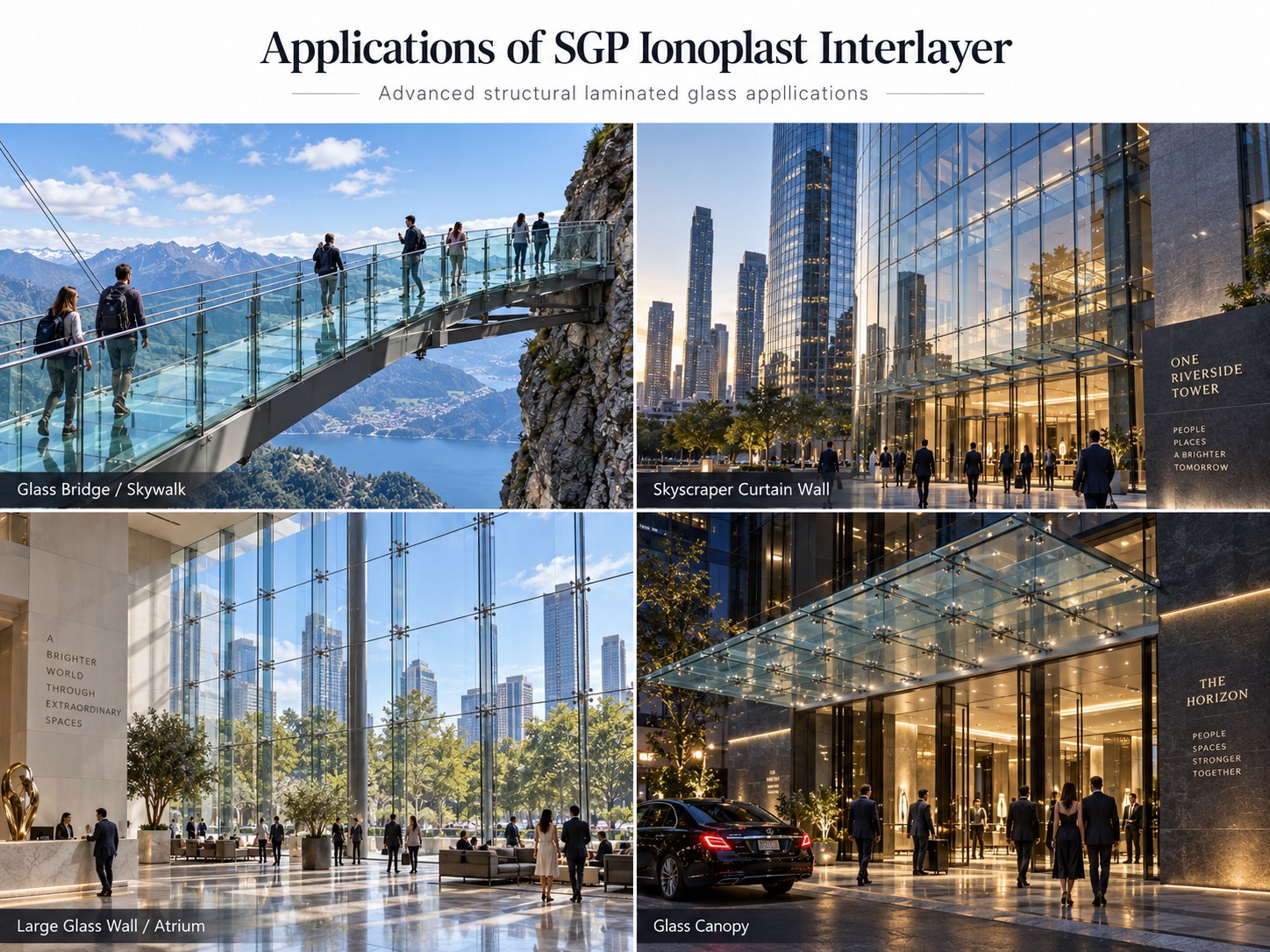
Typical Applications
Glass Balustrades
For balustrades, the design requirement is not limited to resisting normal loads.
The project may also need to consider what happens when one glass ply breaks.
Ionoplast is commonly considered for structural laminated balustrades because its higher stiffness and glass retention characteristics can contribute to residual stability after breakage.
The complete balustrade system—including glass construction, fixing system, handrail and support conditions—must be evaluated according to applicable regulations.
Canopies & Overhead Glazing
Canopies and overhead glass require careful consideration of glass retention after breakage.
Ionoplast laminated glass can be used in these systems where post-breakage integrity and long-term outdoor performance are important.
Structural Glass Fins
Glass fins can carry substantial structural loads while remaining highly transparent.
A high-stiffness interlayer can improve shear transfer between the individual glass plies and is therefore often considered for multi-laminated structural fins.
Façades & Curtain Walls
Large façade panels are subjected to wind pressure, temperature changes and long-term environmental exposure.
Ionoplast laminated glass is suitable for façade systems where structural performance, transparency and edge stability are important.
Glass Floors, Stairs & Walkways
Walkable glazing commonly uses multi-ply laminated glass.
Ionoplast may form part of the laminate where the design requires improved composite action and residual behavior after breakage.
Final glass composition must be determined through structural calculation.
Skylights
Large-span or exposed skylights may benefit from an ionoplast interlayer when the project requires high transparency together with enhanced laminated glass performance.
High-Security and Specialty Glazing
Multi-layer ionoplast laminates can also be considered as part of specially engineered security glazing constructions.
The final performance depends on the complete tested glass system rather than the interlayer alone.
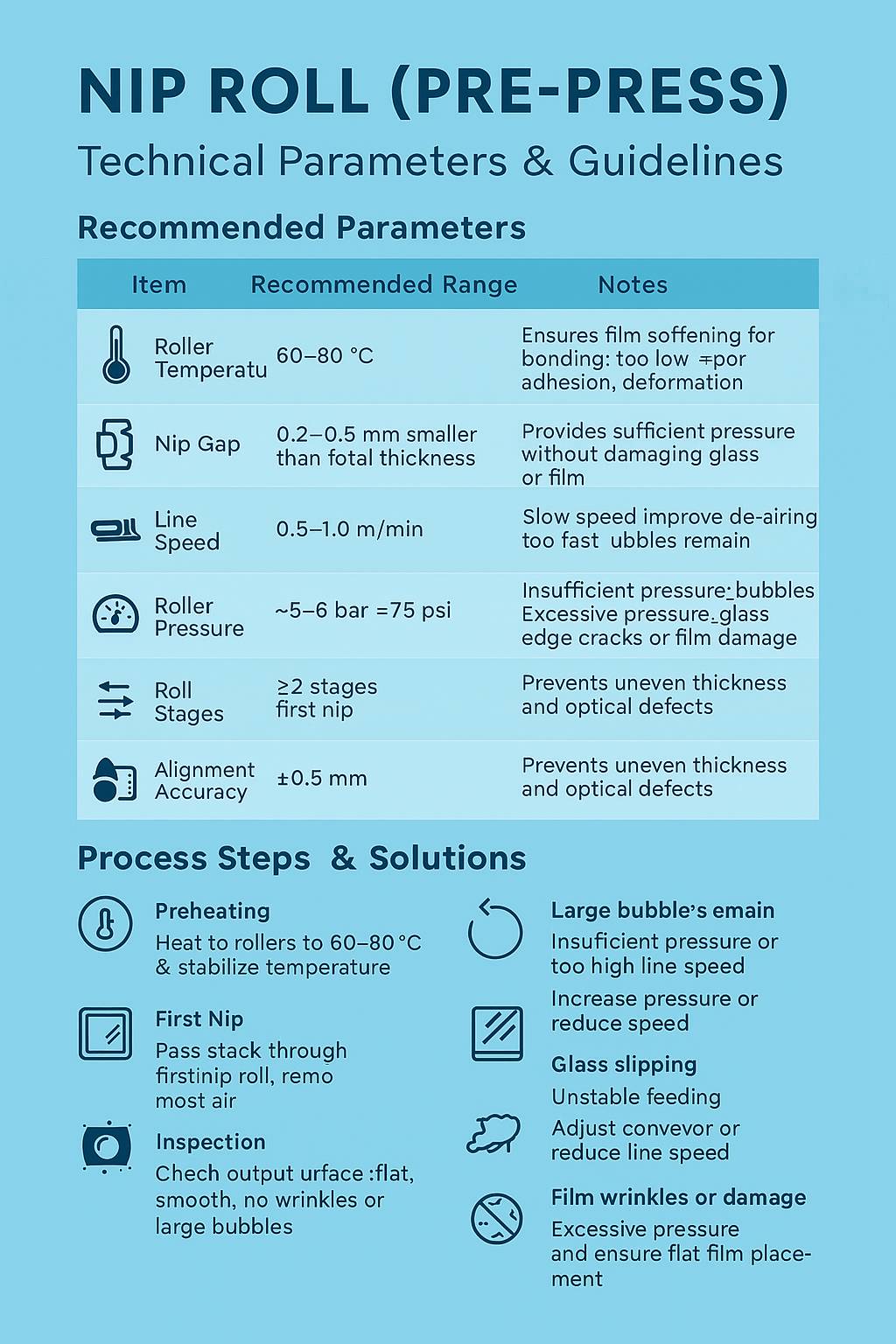
Processing SGP Ionoplast Interlayer
Ionoplast lamination requires good control of film storage, glass cleanliness, moisture, de-airing, temperature and pressure.
Unlike EVA lamination, ionoplast processing normally uses a pre-lamination/de-airing process followed by autoclave lamination.
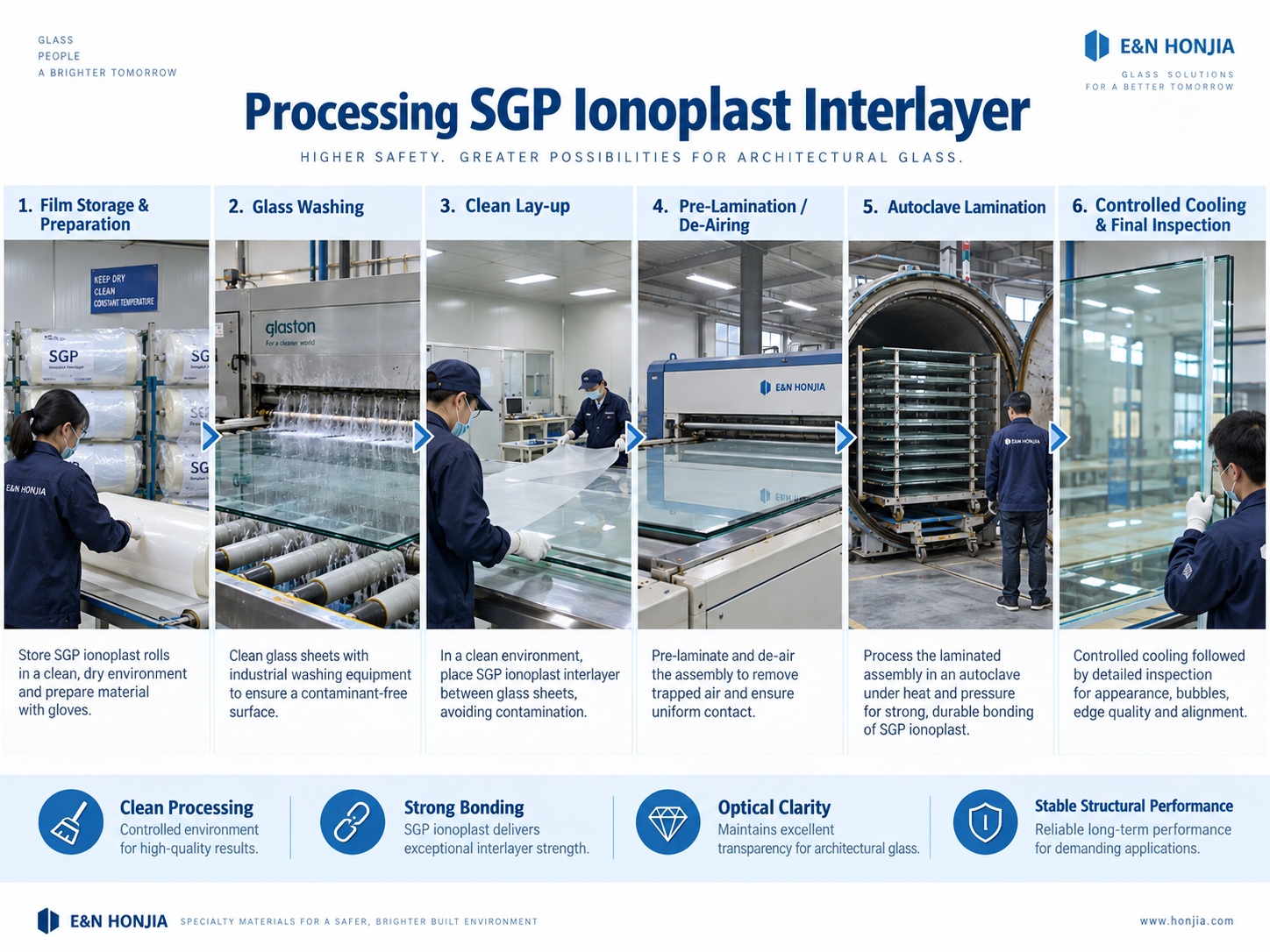
Typical Processing Flow
1. Film Storage & Preparation
Keep the interlayer sealed and protected from excessive heat and moisture before processing.
Open the package only in a clean processing environment.
2. Glass Washing
Glass should be thoroughly washed and dried before lay-up.
Dust, water marks, oil or other contamination may affect the quality of the final laminate.
3. Clean Lay-Up
Place the ionoplast interlayer between the prepared glass sheets.
Operators should use clean gloves and avoid contaminating the film or glass bonding surfaces.
4. Pre-Lamination & De-Airing
Remove trapped air from the laminate before autoclave processing.
The appropriate pre-lamination method depends on the processor's equipment and glass construction.
5. Autoclave Lamination
The pre-laminated glass is processed under controlled heat and pressure to achieve complete bonding between the glass and ionoplast interlayer.
The exact autoclave cycle should be established according to the ionoplast grade, glass thickness, laminate construction and equipment.
6. Controlled Cooling
After lamination, the glass should cool under controlled conditions before unloading and final inspection.
7. Final Inspection
Inspect the finished laminated glass for:
Bubbles
Haze
Edge condition
Foreign particles
Glass alignment
Visible defects
Bonding quality
Important Processing Note
Do not apply one universal lamination recipe to every ionoplast glass structure.
Different glass thicknesses, laminate sizes and equipment may require different processing conditions.
Please contact E&N HONJIA for the relevant material and processing information before trial production.
Quality Control for Ionoplast Interlayer
Consistent interlayer quality is important for both processing stability and finished laminated glass performance.
Our quality-control process focuses on the material before lamination as well as its performance in laminated glass.
Thickness Inspection
Film thickness is checked to maintain consistency across production batches and roll positions.
Surface Inspection
The interlayer is checked for contamination, marks, wrinkles and visible defects.
Optical Inspection
Transparency and haze are monitored for clear ionoplast products.
Packaging Control
Finished rolls are protected against contamination and environmental exposure during storage and transportation.
Lamination Testing
Material can be evaluated through actual glass lamination to check bonding quality, optical appearance, bubble formation and edge condition.
Finished Glass Evaluation
Test laminates are inspected for transparency, adhesion, bubbles, delamination and visible defects after processing.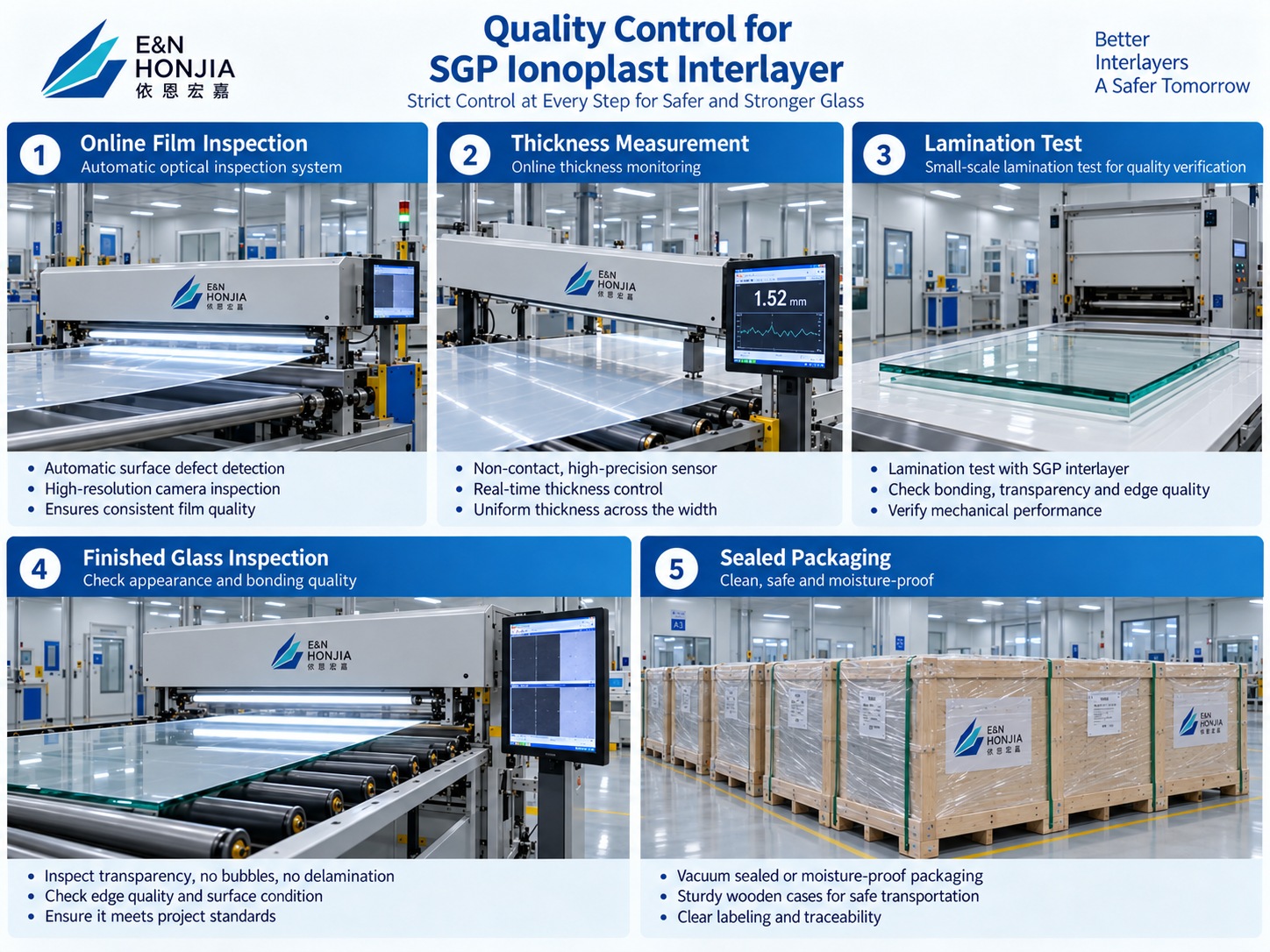
Why Work with E&N HONJIA?
E&N HONJIA has more than 20 years of experience in EVA interlayer manufacturing and international laminated glass material supply.
In addition to EVA interlayers, we supply ionoplast interlayers for customers working on higher-performance laminated glass projects.
We understand that structural glass projects require more than simply selecting a film thickness.
Our team can discuss your:
Glass configuration
Interlayer thickness
Panel dimensions
Application
Processing method
Sample requirements
to help you identify an appropriate material for initial lamination testing.
For final structural design, the complete glass system should always be verified by the responsible project engineer.
FAQ
1. What is an SGP ionoplast interlayer?
An ionoplast interlayer is a high-performance thermoplastic interlayer used to manufacture laminated glass.
Its relatively high stiffness allows stronger shear transfer between glass plies than conventional flexible interlayers under appropriate design conditions, making it particularly useful for structural laminated glass.
2. Is ionoplast the same as PVB?
No.
Both materials can be used to produce laminated glass, but they have different mechanical and processing characteristics.
Ionoplast is normally selected where higher structural stiffness, residual performance or exposed-edge stability is important.
PVB remains widely used for conventional architectural and automotive laminated glass.
3. What is the difference between ionoplast and EVA?
Ionoplast is mainly used for demanding structural laminated glass applications.
EVA is highly versatile and is particularly useful for architectural, decorative and encapsulation applications, including fabrics, meshes and PDLC glass when a suitable EVA grade is selected.
The correct material depends on the application rather than simply which product is “stronger.”
4. Does thicker ionoplast always make laminated glass stronger?
Not necessarily.
Interlayer thickness is only one part of the complete glass structure.
Glass thickness, glass type, laminate dimensions, fixing conditions, load, temperature and load duration all influence the structural behavior of laminated glass.
5. Can ionoplast be used with tempered glass?
Yes.
Tempered glass combined with ionoplast is commonly considered for structural laminated glass applications such as balustrades, canopies and façades.
The final glass configuration should be determined according to the project requirements.
6. Is ionoplast suitable for exposed-edge laminated glass?
Ionoplast is commonly used in exposed-edge structural glazing because of its strong bonding and environmental stability.
However, compatibility with sealants, coatings and other materials in contact with the laminate should still be checked.
7. Does ionoplast require an autoclave?
Ionoplast laminated glass is normally produced using controlled pre-lamination/de-airing followed by autoclave lamination.
The exact processing cycle depends on the laminate structure and production equipment.
8. What ionoplast thicknesses are available?
Our standard thickness range includes:
0.76 mm / 0.89 mm / 1.14 mm / 1.52 mm
Please send us your required glass configuration and application if you are unsure which specification to test.
9. Can I get an ionoplast sample for testing?
Yes.
Our standard SGP / ionoplast test sample is typically around 300 × 300 mm.
For important project evaluations, larger samples may also be arranged after confirming the glass structure, required thickness and testing purpose.
For larger-scale production trials, please contact us to confirm the required quantity.
10. What information should I provide for a quotation?
Please provide:
Required thickness
Required width
Quantity
Glass structure
Application
Destination country
For structural glass projects, drawings or preliminary glass configurations are also helpful.
11. What is the normal production lead time?
The normal lead time is approximately 7–15 days, depending on specification, quantity and production schedule.
12. Can you customize the width or roll size?
Yes.
Project-specific sizes can be discussed according to the required thickness, width and order quantity.
Our current maximum film width is up to 2500 mm.
Need Help Choosing an Ionoplast Interlayer?
Structural laminated glass should be evaluated as a complete system rather than by interlayer thickness alone.
Send us your:
Glass size + Glass thickness + Glass type + Ionoplast thickness + Application + Required quantity
and our team can help you prepare the appropriate material for initial testing.
E&N HONJIA
16+ Years of EVA Interlayer Manufacturing & Export Experience
Contact us for SGP ionoplast samples, technical data and quotation.
Operation Guide