
What Is the Lifespan of Laminated Glass in 2026? A Comprehensive Analysis of Laminated Glass Lifespan in 2026
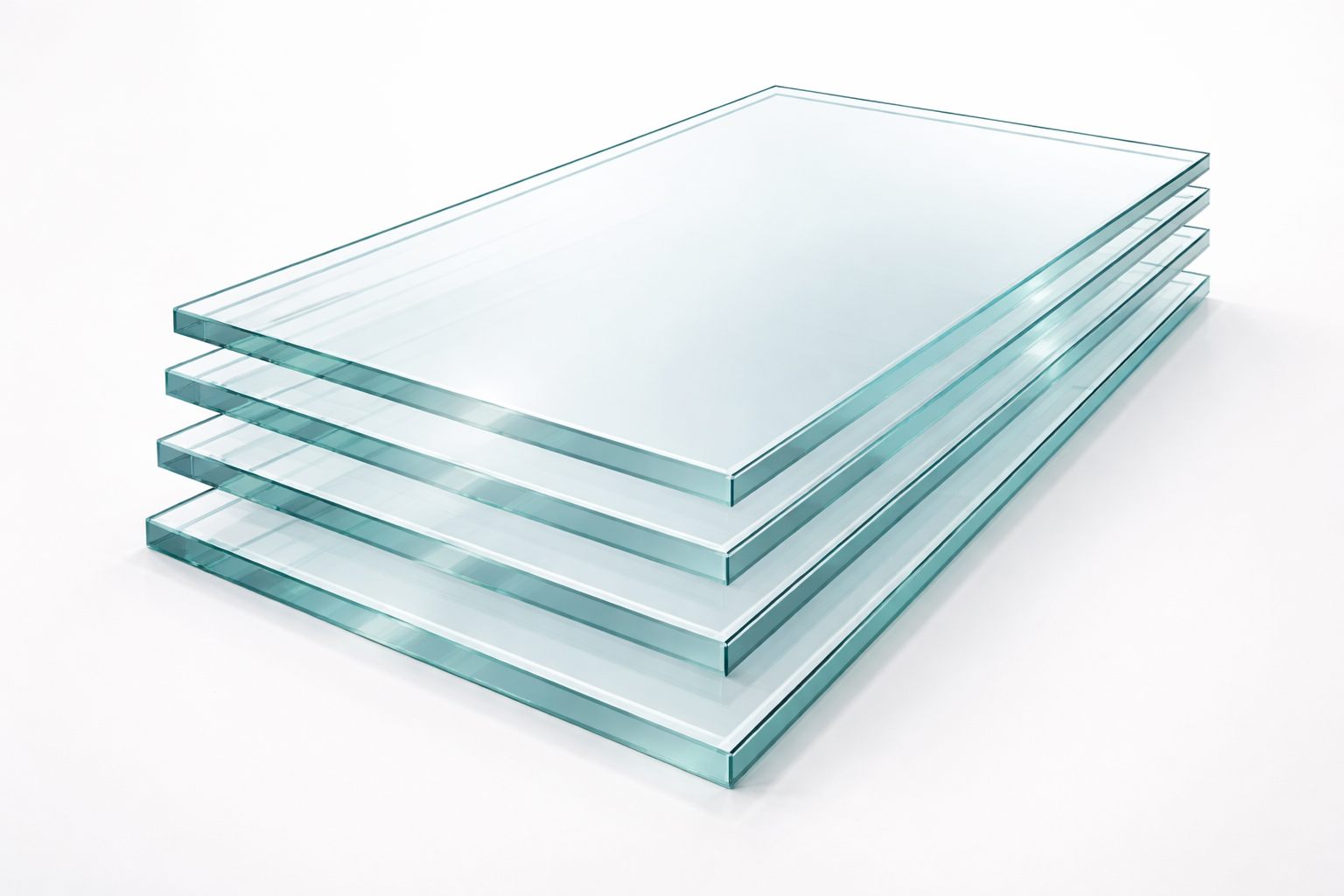
As we step into 2026, the global construction industry is undergoing a profound transformation—shifting from a singular focus on "construction speed" to a pursuit of "whole-life-cycle value." With safety and durability standards for buildings constantly rising, applications such as high-rise curtain walls, suspended glass floors, and large-scale skylights are placing increasingly rigorous demands on the long-term performance of materials.
The primary concern for project owners, developers, and architects has evolved from the simple questions—"Does it look good? Is it safe?"—to a more critical inquiry: "Once installed, how many years can it function reliably?"
Replacing a single pane of glass in a skyscraper's curtain wall often incurs maintenance costs—driven largely by the complexities of high-altitude work—that are ten, or even a hundred, times the actual value of the glass itself. Consequently, accurately determining the true lifespan of glass is not merely an engineering challenge; it is, fundamentally, an economic imperative.
Today, we will tackle the industry's core question head-on: What is the lifespan of laminated glass in 2026? Whether you are a procurement specialist or an engineer, this comprehensive analysis will provide you with deep insights into the nature of glass aging, enabling you to make the most astute material decisions.
What Is Laminated Glass? Structure and Principles
Before we delve into the subject of lifespan, we must first take a closer look at its internal composition.
Basic Structure
Laminated glass is not a single, monolithic pane; rather, it is—quite literally—a "glass sandwich." It consists of two or more layers of glass sheets bonded together by an intermediate layer known as an "interlayer film" (commonly made of materials such as EVA or SGP). This assembly is then fused into an inseparable, unified whole through a precisely controlled "glass lamination" process—a procedure involving vacuum extraction, heating, and high-pressure application.
Core Functions
This composite structure endows ordinary glass with extraordinary capabilities:
- Safety and Shatter Resistance: This is its primary function. Even if the glass shatters, the fragments remain firmly adhered to the interlayer film, preventing them from raining down like a waterfall and causing injury.
- Impact Resistance and Structural Load-Bearing Capacity: Particularly when utilizing high-performance interlayers, the glass can withstand extreme forces—ranging from typhoon-strength winds to explosive blasts. Sound and Thermal Insulation: The polymer interlayer possesses inherent acoustic damping properties and effectively blocks heat transfer.
Average Service Life of Laminated Glass in 2026
Under ideal conditions, the glass itself (silica) is virtually semi-permanent; the true determinant of its longevity is the polymer film sandwiched within it.
Industry Reference Lifespan
Based on the state of materials science in 2026, we have compiled the expected lifespan ranges for various application scenarios:
Table 1: Expected Lifespan of Laminated Glass in 2026
| Application Type | Expected Lifespan (Years) | Recommended Interlayer | Environment |
| Indoor / Decorative | 15 – 25+ | EVA Interlayer | Controlled (Low UV/Humidity) |
| Building Facades | 20 – 30+ | SGP / High-grade PVB | Outdoor (High UV/Temp variation) |
| Structural / High-Risk | 25 – 35+ | SGP Interlayer (Ionoplast) | Extreme (High wind load/Impact) |
Expert Tip: If sourced from a top-tier laminated glass manufacturer and installed according to proper standards, high-quality products can realistically exceed a service life of 30 years when situated in a favorable environment.
The Impact of Different Interlayers on Lifespan
Different "fillings" determine different fates.
Expected Lifespan: 15–25 years.
Advantages: Extremely high transparency and excellent water resistance (edges are less prone to delamination). It is highly suitable for use in bathrooms, canopies, and applications involving embedded decorative materials (such as fabrics or PDLC smart films).
Risks: If a product with an inferior formulation is procured, prolonged outdoor exposure to sunlight may lead to yellowing.
SGP Interlayer (SentryGlas Plus):
Expected Lifespan: 25–35 years.
Advantages: This is the "all-around champion" among interlayer films. Its stiffness is 100 times greater than that of traditional films; it is not only highly tear-resistant but also possesses exceptional weather resistance and shows virtually no tendency to yellow.
Applications: Specifically engineered for high-strength structural laminated glass applications (such as frameless railings and suspended flooring).
The 6 Key Factors Influencing the Lifespan of Laminated Glass
Why does some laminated glass begin to bubble after just 5 years, while other glass remains crystal clear after 30? The secret lies within these six factors.
Interlayer Film Quality
This is the most critical internal factor determining the lifespan of laminated glass. The stability of the interlayer's chemical formulation, the quality of the UV absorbers incorporated into it, and—in the case of thermosetting materials like EVA—the degree of cross-linking (Gel Content) directly determine the material's ability to withstand the ravages of time.
Glass Lamination Process
Even the finest ingredients can be ruined by poor preparation. In the glass lamination process, temperature control, vacuum evacuation time, and pressure stability are absolutely critical. If the vacuum is insufficient or the temperature is too low—resulting in incomplete cross-linking—residual air and moisture act like ticking time bombs; years later, they will trigger blistering and delamination.
Service Environment
UV Intensity: Prolonged exposure to intense UV radiation can break down the molecular chains of the polymer interlayer.
Temperature and Humidity Fluctuations: Drastic thermal expansion and contraction can generate shear forces at the glass-interlayer interface.
Coastal Corrosive Environments: Air with high salinity and humidity poses a severe challenge to the edges of the glass.
Glass Edge Sealing Treatment
This is the detail most frequently overlooked. If the edge sealing is poor during installation, or if incompatible acidic sealants are used, moisture and chemical agents can seep in through the edges. This leads to hydrolysis or chemical reactions within the interlayer, resulting in the classic phenomenon known as "edge whitening."
Installation and Structural Design
If the frame design is flawed—causing the glass to be subjected to prolonged torsional physical stress (stress concentration)—it not only increases the risk of spontaneous breakage but also accelerates the delamination of the interlayer from the glass.
Manufacturer Expertise
This is precisely why project developers must thoroughly vet their suppliers. A high-quality laminated glass manufacturer possesses a stable Class 10,000 cleanroom production environment, a sophisticated temperature control system, and the ability to provide international certifications (such as EN, SGCC, and ANSI) along with comprehensive long-term aging test data.
How to Determine if Laminated Glass is Nearing the End of Its Service Life?
Service Life of Laminated Glass
Do not wait until the glass falls out to discover a problem. If your architectural glass exhibits the following "signs of aging," you should consider replacing it:
- Edge Whitening or Fogging: Moisture has already penetrated the structure, and adhesive strength is being compromised.
- Bubbling: Typically spreading from the edges toward the center, this indicates that depolymerization reactions are occurring internally or that gases are being released.
- Delamination: A visible separation between the glass and the interlayer—this is the most dangerous warning sign, as the glass's shatter-resistant safety function has been severely compromised.
- Reduced Transparency (Yellowing/Haze): Severe yellowing or cloudiness not only detracts from the aesthetic appeal but also signals that the material has undergone significant aging.
How to Extend the Service Life of Laminated Glass?
To ensure that glass serves as a "century-long legacy," effort must be invested throughout the entire project lifecycle.
Select High-Quality Interlayer Films
Do not skimp on quality in areas that are not visible. For high-end decorative applications and high-humidity environments, choose premium EVA interlayers with a high degree of cross-linking; for outdoor projects with extremely stringent structural safety requirements, do not hesitate to select SGP interlayers.
For instance, the premium interlayers offered by E&N—a specialized manufacturer of advanced polymer materials (covering Clear EVA, SGP, and PDLC; details available on their official product page)—feature formulations that have undergone rigorous testing involving thousands of hours of UV aging and humid-heat exposure, thereby guaranteeing an exceptionally long service life right from the source material.
Choose a Professional Laminated Glass Manufacturer
Seek out established, reputable manufacturers that are confident enough to offer long-term warranties, can provide authentic and authoritative test reports, and possess a strong track record backed by numerous large-scale international engineering projects.
Optimize Design and Installation
During the design phase, ensure sufficient thermal expansion gaps are allocated to prevent long-term stress concentrations caused by rigid, direct contact between materials. During installation, it is imperative to use neutral-cure, weather-resistant silicone sealants that are chemically compatible with the interlayer material, and to ensure proper waterproofing and edge sealing.
Regular Inspection and Maintenance
Establish a routine inspection protocol for the building's facade, focusing specifically on checking whether the edge sealants have aged or cracked. Any damage discovered should be repaired immediately to prevent moisture from infiltrating through the compromised areas.
2026 Industry Trends: Longer-Lasting Laminated Glass
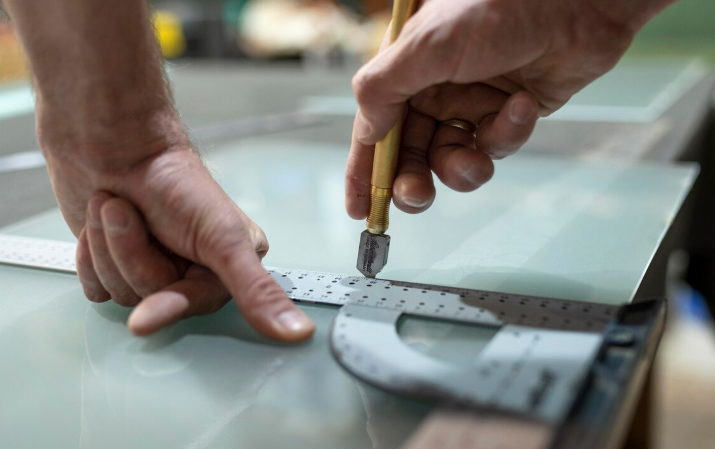
Longer-Lasting Laminated Glass
Looking toward the future, glass industry technology is rapidly advancing toward an era of "ultra-long endurance":
R&D efforts are focused on interlayer films infused with more potent, nano-scale UV-blocking agents to completely resolve the persistent issue of yellowing in regions with high solar radiation.
Development is underway for polymer formulations featuring self-healing capabilities or more stable three-dimensional cross-linked structures.
The industry is moving toward the widespread adoption of fully automated, AI-monitored intelligent glass lamination production lines to eliminate human-induced processing errors.
The industry's future objective for glass longevity is firmly marching toward the 30-year—and even 50-year—milestone.
FAQ
Q1: What is the lifespan of laminated glass?
Typically, it ranges from 15 to 30 years. If top-tier materials are utilized and installation is performed according to standard protocols within a favorable environment, the actual service life of high-end products can exceed 30 years.
Q2: Does interlayer film affect lifespan?
Absolutely. The chemical stability and aging resistance of the interlayer film constitute the "core DNA" that determines how long laminated glass will endure.
Q3: Which is better: EVA interlayer or SGP interlayer?
Each has its own distinct merits. With its exceptional moisture resistance and high transparency, EVA serves as the ace performer for interior decoration and smart glass applications; conversely, SGP—boasting astonishing rigidity and unrivaled weather resistance—reigns supreme in the realm of outdoor structural safety glass.
Q4: How can the lifespan of laminated glass be extended?
The secret lies in the "Three Essentials": selecting the right interlayer film (high-quality materials), partnering with the right manufacturer (standardized lamination processes), and ensuring proper edge treatment (rigorous waterproof sealing, installation, and maintenance).
Conclusion
The lifespan of laminated glass is not a fixed number; it is a complex equation dependent on interlayer quality, the precision of the lamination process, and the harshness of environmental conditions.
In light of the rigorous architectural demands of 2026, material advancements have provided the perfect solution:
With its stable cross-linked structure, the EVA interlayer delivers a level of transparency and moisture resistance—capable of withstanding the test of time—for a wide range of high-end decorative and functional glass applications.
Meanwhile, the SGP interlayer—with its steel-like rigidity—infuses modern super-high-rise buildings and extreme structural glass designs with a structural vitality destined to endure for decades.
Glass may be fragile, but the promise of high-quality laminated glass is as solid as bedrock. Choosing a reliable partner like E&N—one possessing superior technical expertise and a comprehensive product line (spanning EVA, SGP, and complete solutions)—is not merely an act of purchasing a material; it is an investment in decades of guaranteed safety and performance for your architectural project.