
What is Laminated Glass? An In-Depth Analysis of Laminated Glass in 2025
- Structure and Manufacturing Principles of Laminated Glass
- The Key Interlayers of Laminated Glass
- Glass Lamination Process Introduction
- Main Types and Performance of Laminated Glass
- How Do We Describe Laminated Glass Thickness?
- Interlayers Comparison Analysis
- Main Applications of Laminated Glass
- Advantages of Laminated Glass
- Pain Points and Solutions for Laminated Glass and Interlayers
- Development Trends of Laminated Glass
- FAQ
- E&N's Technology and Services in the Laminated Glass Field
- Conclusion: The Future of High-Performance Laminated Glass
In contemporary architecture and interior design, glass has long transcended its basic function of "lighting." We're talking about a more advanced, safer, and smarter material—laminated glass.
Laminated glass is a type of composite safety glass. It is made by bonding two or more layers of glass (such as float glass, tempered glass, and ultra-clear glass) together under high temperature and pressure with one or more organic interlayers. This "sandwich" structure gives it performance far exceeding that of ordinary glass.
Why has laminated glass become so important in building curtain walls, home windows and doors, and even smart glass? The answer lies in its unique versatility. When it breaks, the glass fragments adhere tightly to the interlayer, preventing them from scattering and causing injury, providing superior safety. But today, this is just the beginning. By selecting different interlayers, laminated glass can achieve complex functions such as sound insulation, heat insulation, UV protection, explosion protection, decoration, and even intelligent dimming.
With the continuous advancement of glass processing technology, laminated glass is becoming the core of advanced glass solutions. This article will take you deep into the world of laminated glass, from its basic structure and manufacturing principles to the interlayer that determines its performance (such as Clear EVA, SGP interlayer, PDLC smart film), and how it solves industry pain points and leads future trends.
Structure and Manufacturing Principles of Laminated Glass
To understand the powerful functions of laminated glass, we must begin by understanding its structure and manufacturing process.
Glass + Interlayer + Glass: The Core Structure The most basic laminated glass structure is "glass + interlayer + glass". However, this simple formula can evolve into endless possibilities:
Multi-layered structures: For example, bulletproof glass may be a complex combination of "glass + interlayer + glass + interlayer + glass".
Asymmetric structures: For example, laminated glass used for sound insulation may use glass of different thicknesses (such as 6mm + interlayer + 4mm) to stagger the resonant frequencies of sound waves.
The Key Interlayers of Laminated Glass
Key Interlayers: The interlayer is the soul of laminated glass. It determines the glass's final performance, weather resistance, and safety.
PVB (Polyvinyl Butyral): The traditional and most widely used interlayer, cost-effective, providing basic safety and sound insulation.
Clear EVA (Ethylene-Vinyl Acetate): A high-performance interlayer material that has become increasingly popular in recent years. It is known for its extremely high transparency, excellent weather resistance (anti-yellowing), and strong moisture resistance, making it particularly suitable for exposed edges or high-humidity environments (such as bathrooms).
SGP Interlayer (Ionicized Grain Interlayer): This is synonymous with high performance. SGP interlayer's strength and stiffness far exceed those of PVB and EVA (it is generally considered to be 100 times stiffer and 5 times tear-resistant than PVB), making it the preferred choice for structural glass (such as large curtain walls, glass walkways, and hurricane-resistant windows).
PDLC Smart Film (Polymer Dispersed Liquid Crystal Film): This is the core of "smart dimming glass." PDLC smart film is a film material that becomes transparent when electricity is applied and appears hazy when electricity is removed. It is itself a special interlayer, encapsulated between two layers of glass using a glass lamination process to achieve privacy protection.
Glass Lamination Process Introduction
The process of manufacturing laminated glass is called glass lamination. This process must be carried out in a highly controlled environment (especially a cleanroom) to prevent dust or impurities from affecting the adhesion.
Autoclave Lamination
This is the most traditional and mature process, especially suitable for PVB and SGP.
- Process: After the glass and interlayer are laminated, they are preheated and pre-pressed (vacuumed and rolled), then sent to an autoclave for "curing" at high temperature (approximately 130-150°C) and high pressure (10-15 bar) to permanently bond the film to the glass.
- Advantages: Extremely strong adhesion, suitable for structural applications.
- Disadvantages: High energy consumption, high cost, and unsuitable for certain heat-sensitive materials (such as some PDLC films).
Vacuum Bagging Lamination (Non-Autoclave Process)
This is a more flexible and energy-efficient process, ideal for Clear EVA for glass lamination.
- Process: The laminated glass is placed in a vacuum bag, air is removed, and then it is sent to a specialized laminator furnace where it is bonded using only heating (approximately 110-130°C) and vacuum pressure.
- Advantages: Lower equipment investment, flexible operation, particularly suitable for processing PDLC smart films and laminated glass containing decorative elements such as fabrics and metal mesh.
- Disadvantages: For some ultra-high-strength structural applications, an autoclave process may still be required.
Different film materials have extremely demanding requirements for temperature, time, and pressure profiles. The core competitiveness of a successful glass processing plant lies in the precise control of these process parameters.
Main Types and Performance of Laminated Glass
Depending on the interlayer used, laminated glass can be divided into the following main types:
Standard Laminated Glass
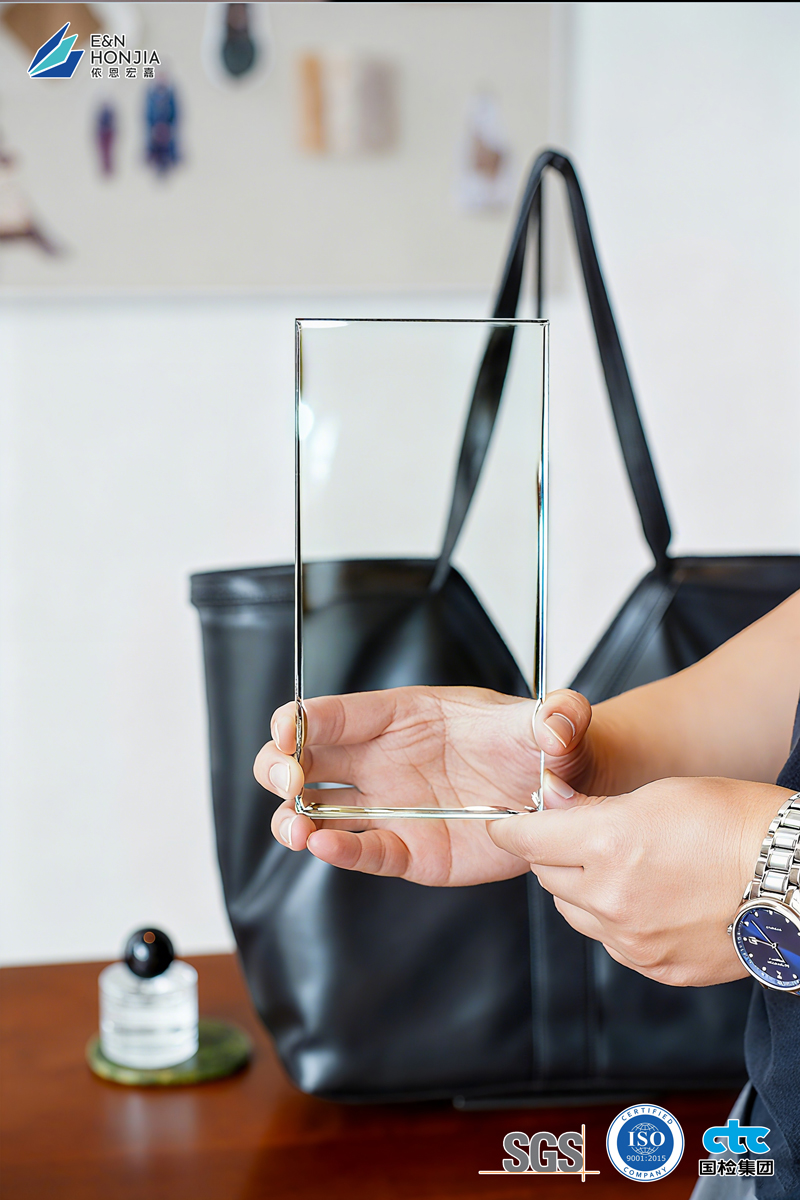
Laminated Glass with EVA interlayer
- Composition: Typically uses PVB or basic EVA interlayer.
- Performance: Provides basic safety and explosion-proof performance (meets national safety glass standards), good sound insulation, and 99% UV blocking.
- Applications: Ordinary residential doors and windows, interior partitions, automotive windshields, etc.
High-Strength Laminated Glass (SGP Laminated Glass)
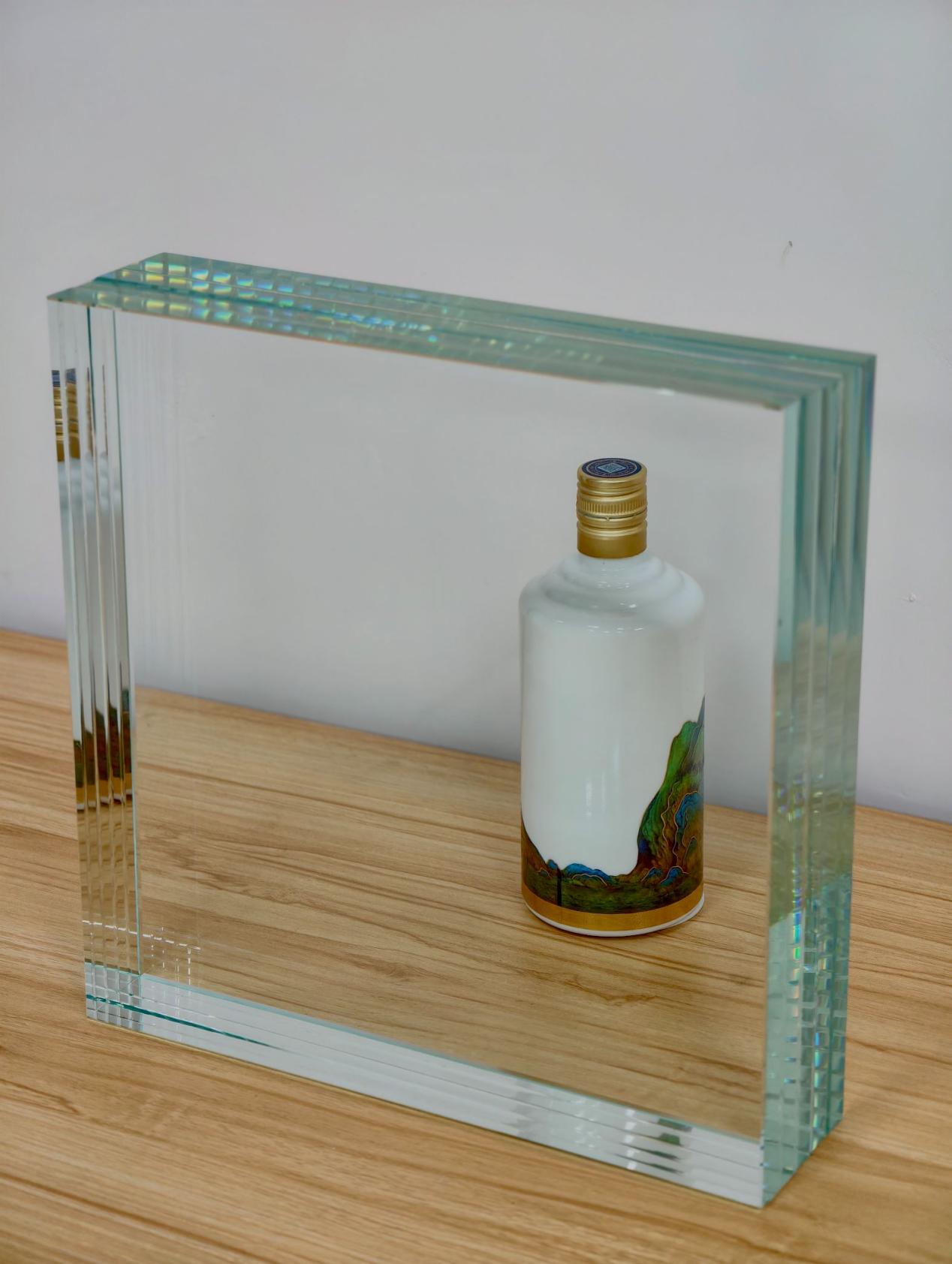
Laminated Glass with SGP interlayer
- Composition: Must use SGP interlayer.
- Performance: This is "structural" glass. Its core advantage lies in post-breakage rigidity. Even if the glass is completely shattered, the SGP film still provides strong support, keeping the glass in place and preventing it from "softening" and sagging like PVB.
- Advantages: Extremely high impact resistance, explosion and hurricane protection, excellent edge stability (not easy to peel off). Applications: High-rise building curtain walls, large-span skylights, glass floors, staircases, frameless glass railings, aquariums, etc.
Smart Film Laminated Glass (PDLC)
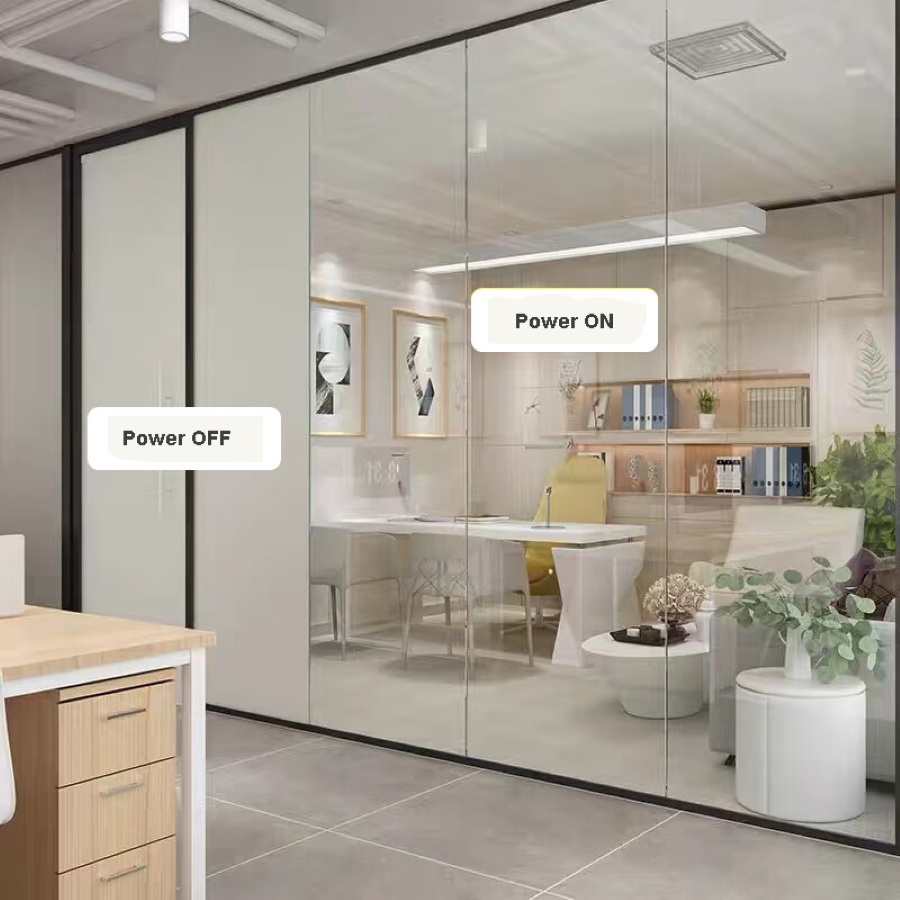
- Composition: Uses PDLC smart film as the interlayer, usually laminated with Clear EVA.
- Performance: This is a typical example of advanced glass. Through electronic control, the glass can instantly switch between transparent and frosted states (usually within 0.1 seconds).
- Advantages: Dynamic privacy protection, alternative to curtains, and can also be used as a projection screen, offering a high-tech feel.
- Applications: Office and conference room partitions, high-end hotel bathrooms, hospital ICUs, bank counters, home privacy windows.
Colored or Special Functional Laminated Glass (Decorative / Acoustic / UV blocking)
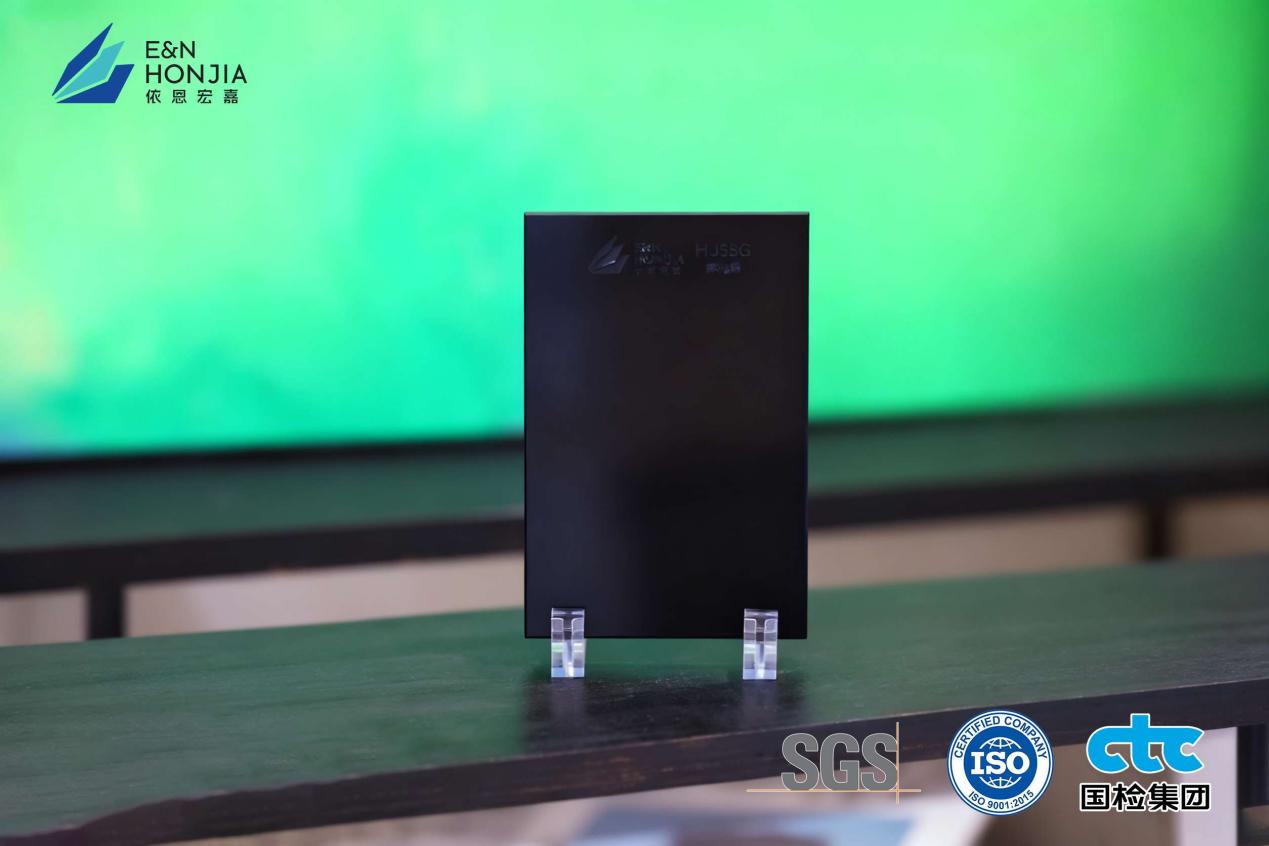
Composition: Uses special functional interlayers for decorative glass or acoustic films.
Performance:
- Decorative: Rich artistic effects can be achieved through lamination of colored EVA film, gradient film, wire-reinforced film, silk-reinforced film, metal mesh, or printed patterned PET film.
- Acoustic: Utilizing a specialized "acoustic interlayer," typically a specially formulated PVB or EVA, it offers higher damping characteristics, effectively reducing low-to-mid-frequency noise (such as traffic noise) and providing superior sound insulation compared to standard laminated glass.
- UV Protection: In fact, almost all laminated glass interlayers (PVB, EVA, SGP) in E&N can block over 99% of harmful UV rays, protecting indoor furniture and artwork from fading.
How Do We Describe Laminated Glass Thickness?
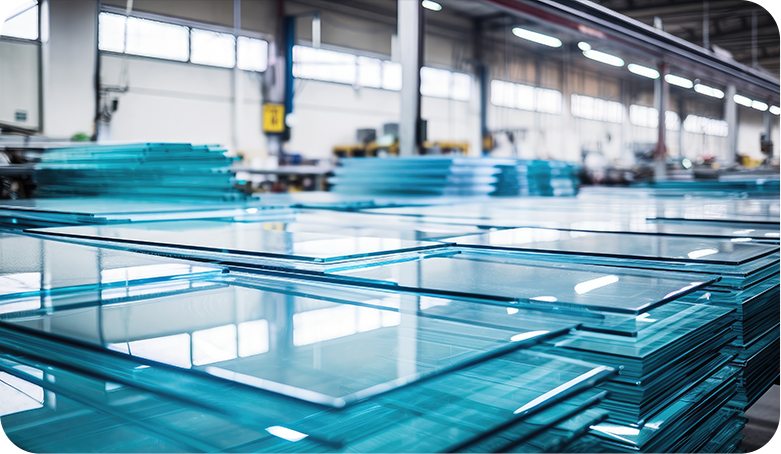
Accurately describing laminated glass thickness is crucial for designers, engineers, and buyers.
Thickness Labeling Method: The thickness of laminated glass is not a single numerical value but a combined description: "Glass A thickness + Interlayer thickness + Glass B thickness."
Example 1: 6.38mm
This represents: 3mm glass + 0.38mm interlayer + 3mm glass.
Total thickness ≈ 6.38mm.
Example 2: 8.76mm
This represents: 4mm glass + 0.76mm interlayer + 4mm glass.
Total thickness ≈ 8.76mm.
Example 3: 13.52mm
This represents: 6mm glass + 1.52mm interlayer + 6mm glass.
Total thickness ≈ 13.52mm.
Common Interlayer Thickness Specifications
Different interlayers have different standard thicknesses:
- PVB: The most common specifications are multiples of 0.38mm, such as 0.38mm, 0.76mm, 1.14mm, 1.52mm.
- Clear EVA: Common specifications are 0.38mm, 0.76mm, 1.14mm, 1.52mm.
- SGP Interlayer: Common specifications are 0.89mm, 1.52mm, 2.28mm.
- PDLC Smart Film: The film itself has a certain thickness (approximately 0.4mm), but it is usually used in conjunction with EVA, and the total interlayer thickness may be over 1mm.
Basis for Thickness Selection
Choosing the appropriate thickness for laminated glass is a professional decision requiring balancing multiple factors:
Building Safety Codes: This is the primary factor. Different countries and regions have mandatory regulations regarding the safety of glass in curtain walls, railings, and skylights (such as wind pressure resistance and impact resistance).
Structural Strength Requirements: Especially in the design of SGP laminated glass structures, engineers need to accurately calculate the required glass and SGP thicknesses under specific loads to ensure their safety as structural components.
Acoustic Insulation Requirements: For better sound insulation, it's not enough to simply increase the interlayer thickness (e.g., using 1.14mm or 1.52mm acoustic membranes). A more effective method is to use asymmetrical glass thicknesses (e.g., 8mm + 1.14mm + 6mm) to break the "coincidence effect" of sound.
Application Scenarios
Interior Partitions: Thinner laminated glass is sufficient; commonly used thin or slightly thicker styles can meet the requirements.
Glass railings: The laminated glass must be thick enough, not too thin. Increasingly, standards favor the use of SGP interlayer.
Large curtain walls/skylights: Thicker laminated glass is required, and an SGP interlayer is mandatory to ensure performance.
Still confused about choosing the right interlayer thickness for laminated glass? Contact E&N's experts for professional laminated glass solutions.
Interlayers Comparison Analysis
Interlayers are the "chip" of laminated glass. The core technology of professional manufacturers like E&N lies in these high-performance film materials.
|
Type |
Key Features |
Applications |
|
Clear EVA |
High transparency, strong weather resistance, good moisture stability, excellent adhesion with decorative materials. |
Façades, interior glass, shower rooms, railings, art glass. |
|
SGP Interlayer |
Very high strength and stiffness, impact and hurricane resistant, durable and clear. |
Structural façades, skylights, glass floors, railings, safety glass. |
|
PDLC Smart Film |
Switchable transparency, privacy control, can act as projection screen. |
Offices, hotels, hospitals, smart homes, exhibitions. |
|
PVB |
Cost-effective, good adhesion and sound insulation, flexible. |
Automotive glass, doors and windows, indoor glazing. |
In-depth comparison:
EVA vs. PVB: The biggest difference lies in moisture resistance. PVB is hygroscopic, and its edges are easily corroded by moisture, leading to delamination. Clear EVA, on the other hand, is hydrophobic, making it far superior to PVB in open edges (such as frameless railings) and high-humidity environments. Furthermore, EVA's yellowing index (YI) is generally much lower than PVB, maintaining its crystal-clear transparency for a long time.
SGP vs. PVB/EVA: The biggest difference lies in stiffness. SGP has an extremely high shear modulus, allowing it to transfer loads like a "rigid plate." This means that laminated glass using SGP interlayers can be thinner and lighter, or achieve larger spans and stronger load-bearing capacity at the same thickness, making it a key material for architects to realize "all-glass" designs.
Main Applications of Laminated Glass
Thanks to diverse interlayers and mature glass processing technology, laminated glass is virtually ubiquitous.
Curtain Walls & Facades: In high-rise buildings, especially in coastal and typhoon-prone areas, the use of SGP interlayer laminated glass is a safety standard. It can withstand extreme wind pressure and debris impacts.
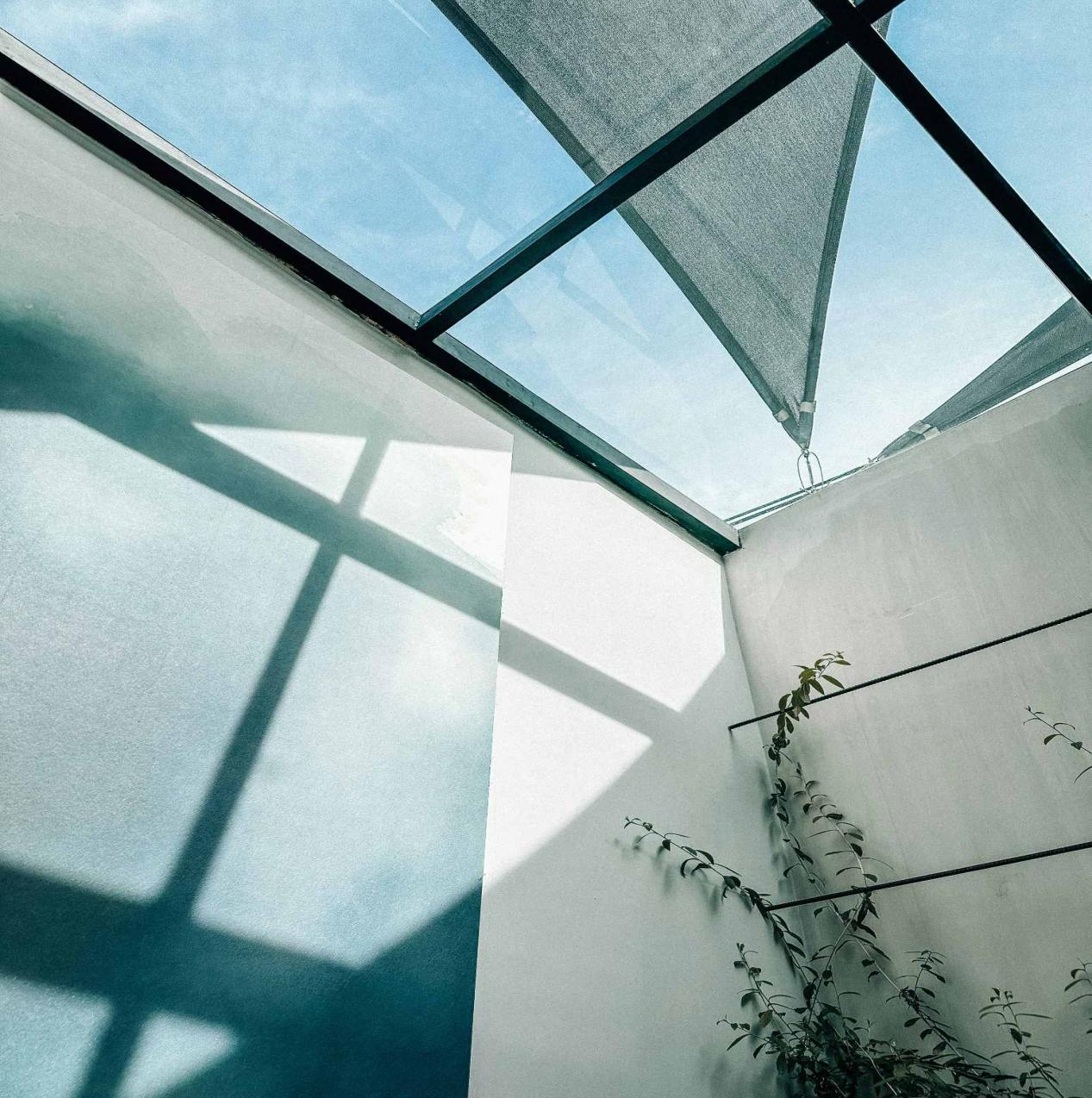
Skylights & Roofs: This is an area where the use of safety glass is mandatory. Laminated glass prevents penetration by falling objects from heights, and even if it breaks, no glass shards will fall and injure people.
PDLC Smart Glass Systems: PDLC smart film in offices has become a standard feature of modern office design. It can instantly divide space, protect meeting privacy, and double as a projection screen, greatly enhancing the flexibility and technological feel of the space.
Interior Decoration & Partitions: Utilizing the high transparency and ease of processing of Clear EVA, designers can press silk, rice paper, metal mesh, and even dried flowers into the glass to create unique artistic partitions or feature walls.
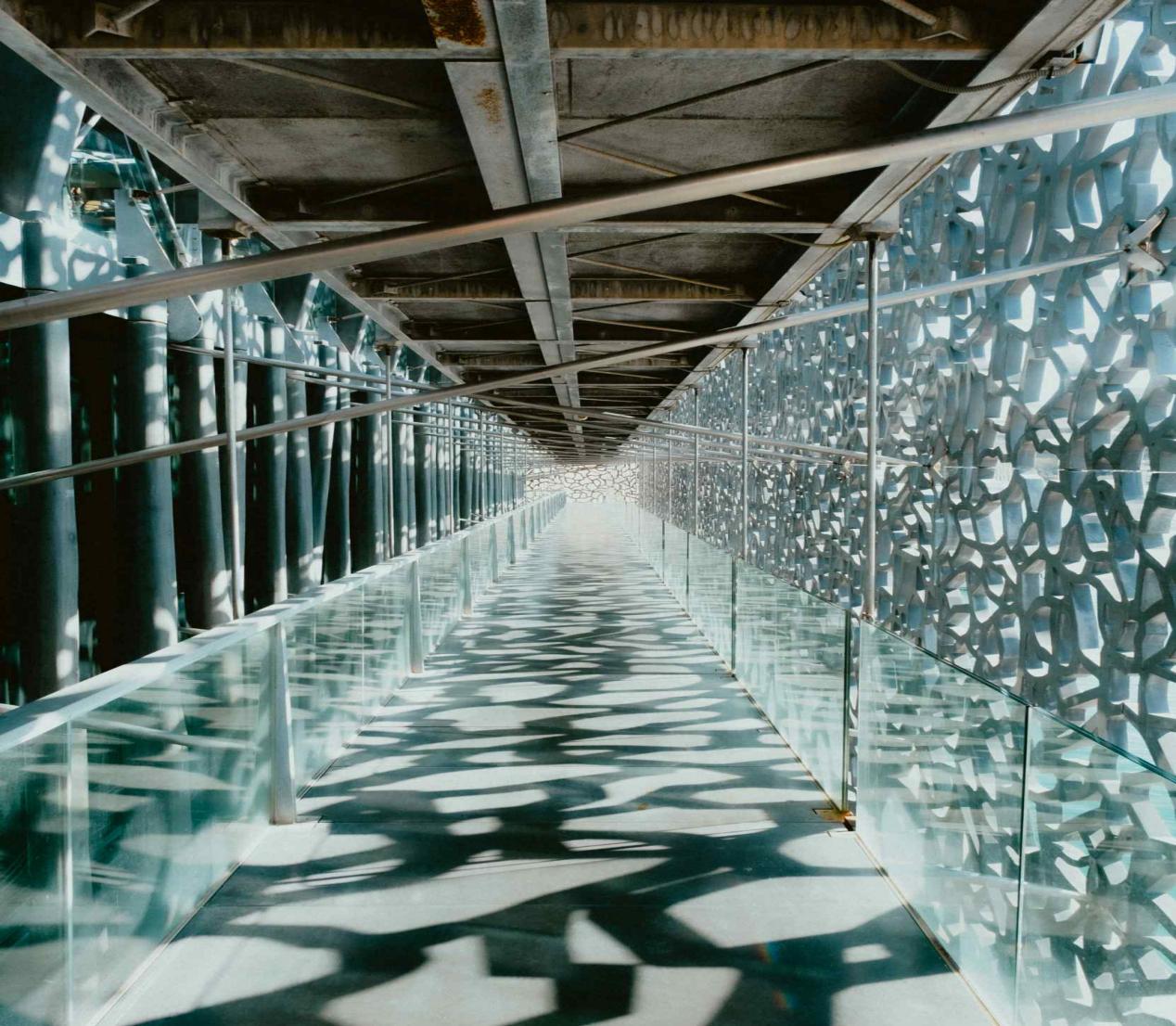
Laminated glass for interior decoration & partitions
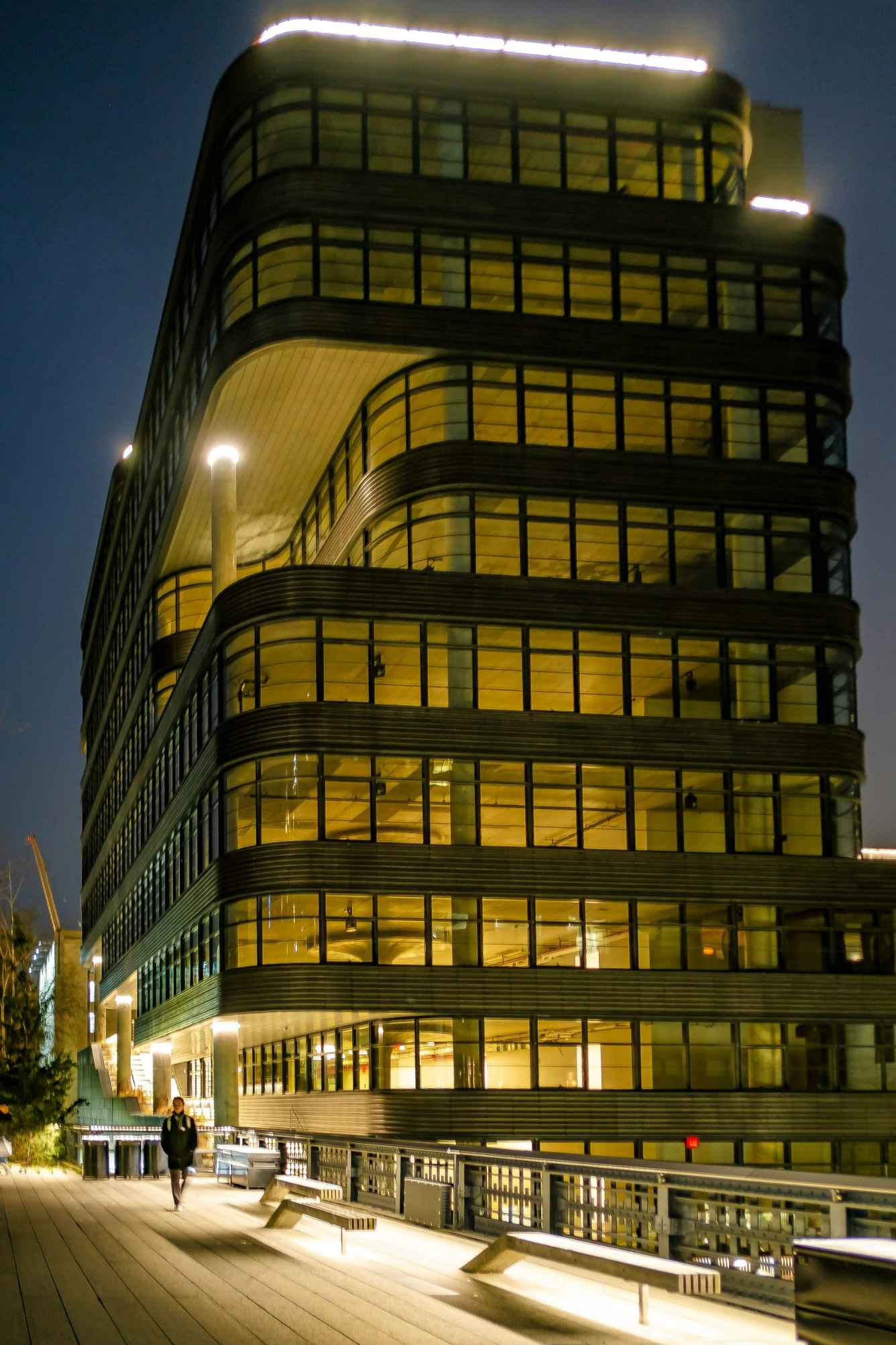
Security & Blast-resistant Glass: Laminated glass, made of multiple layers of thick glass and a high-strength interlayer (such as SGP), is used in banks, museums, jewelry stores, or government buildings to withstand violent intrusions and even explosive impacts.
 .
.
Laminated glass for security & blast-resistant
Acoustic Glass Systems: In buildings near airports, highways, or in home theaters and recording studios, specialized acoustic laminated glass can significantly reduce noise pollution and provide a quiet and comfortable indoor environment.
Advantages of Laminated Glass
Why do top architects and designers worldwide favor Laminated Glass?
Safety and Shatter Resistance: This is the most crucial advantage. Even if shattered upon impact, the interlayer will hold all glass fragments together, forming a "broken but not scattered" safety net to minimize the risk of injury and intrusion.
Excellent Sound Insulation: The interlayer (especially the acoustic layer) is a high-damping material that effectively absorbs sound wave vibrations, particularly effective at suppressing low-to-mid-frequency traffic noise, typically improving sound insulation by 3-5 dB.
High Light Transmittance and UV Protection: High-quality laminated glass achieves extremely high visible light transmittance. Simultaneously, it blocks over 99% of ultraviolet rays, protecting valuable interior furnishings and artwork from harmful sunlight.
Environmentally Friendly and Aesthetically Pleasing: Through thermal and sound insulation, it reduces building energy consumption (air conditioning and heating). Furthermore, its diverse options (transparent, colored, laminated, dimming) offer limitless design freedom.
Ideal for High-End Design: In today's pursuit of minimalism and frameless design, the structural performance offered by SGP interlayer and the intelligent functionality provided by PDLC smart film make Advanced Glass a key element in defining high-end spaces.
Pain Points and Solutions for Laminated Glass and Interlayers
Despite the numerous advantages of laminated glass, many pain points can arise during glass processing if not properly controlled or if materials are not selected correctly. As industry experts, suppliers like E&N offer not only membrane materials but also solutions to these pain points.
Common Laminated Glass Pain Points
Bubbling and delamination during lamination
Causes: Insufficient cleanliness, inadequate vacuum, incorrect temperature profile settings, or poor humidity control of the interlayer (such as PVB).
Consequences: Appearance defects, and in severe cases, safety hazards.
High-Temperature Yellowing or Decreased Light Transmittance
Cause: Use of a low-quality interlayer (especially EVA) with insufficient UV resistance, leading to yellowing and aging after prolonged exposure to sunlight.
Consequence: Affects aesthetics, especially noticeable when using ultra-clear glass.
Unstable Performance Under Different Climates
Cause: Traditional PVB films easily absorb moisture at the edges in high-temperature and high-humidity environments, resulting in decreased adhesion.
Consequence: Edge delamination and fogging.
Water Leakage and Delamination at Edges After Lamination
Cause: As mentioned above, PVB is hydrophilic.
Consequence: Severely affects the aesthetics and safety of applications with exposed edges, such as frameless railings.
Lack of Material Data Support for Designers
Cause: Designers want to use new materials but lack reliable data on their strength, weather resistance, and optical properties.
Consequence: Hesitation to use innovative materials in large-scale projects.
Solutions for Laminated Glass Pain Points
Using High-Purity Clear EVA: Addressing yellowing and moisture resistance issues, E&N's high-purity Clear EVA boasts exceptional transparency and superior weather resistance (low yellowing index). Its hydrophobic molecular structure fundamentally solves the problem of edge moisture absorption.
Enhancing Structural Safety with SGP Interlayer: For high safety and structural requirements, SGP interlayer is recommended. Its superior anti-yellowing capabilities and structural rigidity guarantee resistance to extreme weather and long-term aesthetics.
Improving Glass Lamination Process: E&N advocates and supports vacuum lamination processes without autoclaves. Combined with high-quality EVA, this allows for more flexible and cost-effective achievement of perfect lamination results, especially advantageous when processing heat-sensitive materials such as PDLC smart films.
Applying E&N Technical Support: We not only provide film materials but also complete technical solutions. This includes providing detailed material data sheets, sample testing services (such as baking and impact testing), and assisting glass processing manufacturers in optimizing their lamination process curves.
Development Trends of Laminated Glass
The future of laminated glass is bright, evolving towards a "multi-functional integrated platform".
- Evolution from Safety Glass to Multi-functional Smart Glass: Safety is fundamental; future competition lies in functional integration. Advanced glass will integrate safety, sound insulation, energy saving (combined with Low-E), and intelligent dimming.
- Popularization of PDLC Smart Film and Dimming Control Systems: As costs decrease and technology matures (e.g., lower haze, richer control methods), PDLC smart film will move from high-end commercial to residential use. Imagine your windows automatically adjusting transparency during the day to control glare.
- Sustainability Trend: Market demand is surging for odorless, low-VOC (volatile organic compound), and neutral formulations (non-corrosive to metals) interlayers. E&N's Clear EVA has a natural advantage in this regard, with a more environmentally friendly cross-linking and curing process.
- The growing application of structural SGP interlayers: Driven by the trends of "Jumbo Glass" and "All-Glass" architectural design, SGP interlayers are the only structural membrane material capable of meeting these ambitious designs, and their application will continue to grow.
- Combining solar energy with energy-efficient building design: BIPV (Building Integrated Photovoltaics) laminated glass is on the rise, where solar cells are embedded in the interlayer, turning the glass into a "generator.
FAQ
Q1: What is the difference between laminated glass and tempered glass?
A: These are two concepts. Tempered glass is a single-layer glass that has its strength increased 3-5 times through heat treatment (heating and then rapid cooling). When broken, it shatters into small, blunt-edged particles, making it less likely to cause injury; it is a type of safety glass.
Laminated glass is a composite glass whose substrate can be ordinary glass or tempered glass (i.e., "tempered laminated glass," which offers the highest strength and safety).
Key difference: Tempered glass breaks into small, shattered pieces; laminated glass does not break into small, shattered pieces. Therefore, laminated glass is not only safer (anti-penetration), but also possesses properties that tempered glass lacks, such as sound insulation, explosion-proof, and UV protection.
Q2: Which is better, Clear EVA or PVB?
A: There is no absolute "better," only "more suitable." PVB is low-cost, technologically mature, and suitable for standard applications with less stringent requirements for moisture resistance and transparency (such as car windshields). Clear EVA is an "upgraded" option. If you require extremely high transparency, excellent weather resistance (anti-yellowing), and strong moisture resistance (for bathrooms or frameless railings), then Clear EVA is undoubtedly the better choice.
Q3: Can PDLC Smart Film be used with EVA?
A: Absolutely, and it's the best practice. PDLC smart film is relatively "delicate," sensitive to pressure and moisture. Using Clear EVA, through vacuum lamination, it can be perfectly encapsulated and protected at relatively low temperatures and pressures, ensuring high yield and long-term stability of the smart glass.
Q4: Why is SGP interlayer suitable for curtain walls?
A: Because of its high rigidity and post-breakage support. Traditional PVB laminated glass becomes very "soft" once broken. SGP interlayer laminated glass, however, maintains considerable rigidity after breakage, standing upright in the frame like a complete plate, continuing to withstand wind pressure and its own weight. This buys valuable time for repair and replacement, greatly improving the safety of high-rise buildings.
Q5: What glass solutions does E&N offer?
A: E&N focuses on providing high-performance interlayers and one-stop glass lamination technical support. Our core products include:
Clear EVA (high transparency/black and white series, etc.)
SGP Interlayer
PDLC Smart Film
as well as finished laminated glass products and glass processing tools, aiming to help global glass processing partners produce the highest quality advanced glass.
E&N's Technology and Services in the Laminated Glass Field
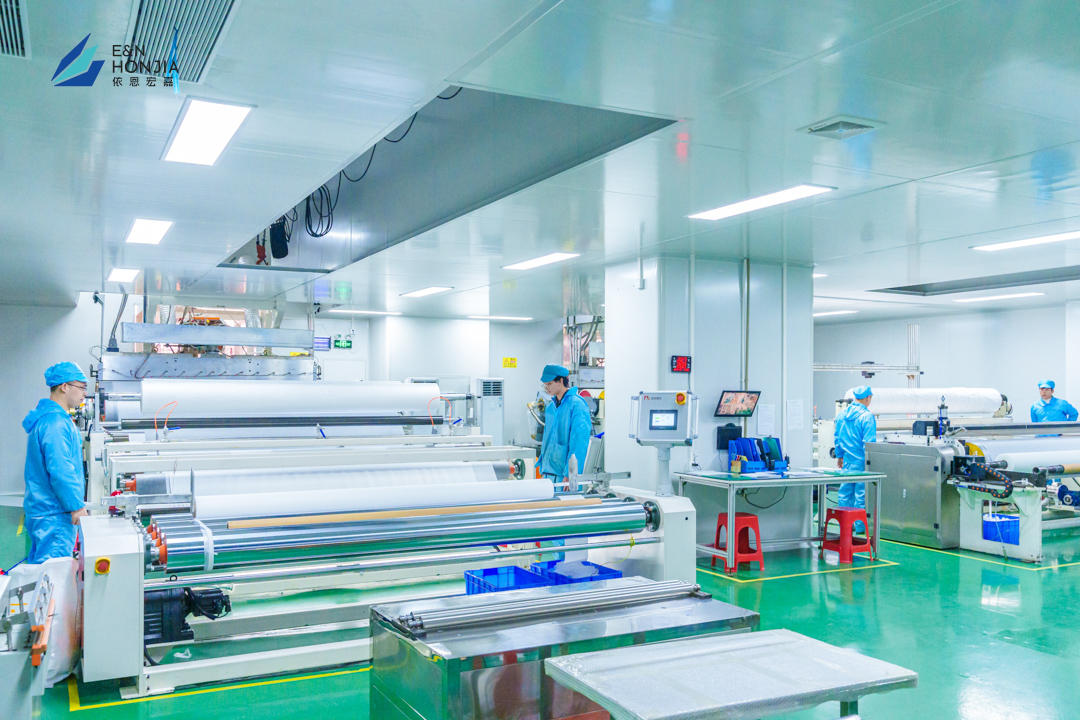
Technology in the Laminated Glass - E&N
In the world of advanced glass, the quality of interlayers determines the upper limit of the final product. With nearly 20 years of experience in polymer material research and development and production, E&N is committed to becoming your most reliable partner.
20 Years of R&D and Manufacturing Experience: We possess in-depth knowledge of every detail of glass lamination, from membrane formulation to process curves.
High-Cleanliness Production System and International Certification: We produce every roll of membrane material in a Class 100,000 cleanroom, ensuring unparalleled purity and optical performance. Our products have passed stringent international certifications.
Full Range of Interlayer Products: Whether you need Clear EVA for interiors, SGP interlayer for structural curtain walls, or PDLC smart film for smart spaces, E&N can provide high-performance, consistently high-quality products. Sample Testing, Technical Support, and Global Supply Services.
Global Supply Services: We are more than just material sellers; our technical team is ready to assist you in resolving any issues you encounter in glass processing, ensuring the smooth production of perfect laminated glass.
Conclusion: The Future of High-Performance Laminated Glass
Laminated glass is no longer an "option," but an "inevitable" element in modern architecture and design. It is evolving from a simple safety choice into a key material that embodies aesthetics, intelligence, safety, and sustainability.
In the future, the boundaries of glass will continue to be broken. At the heart of all this lies that seemingly thin layer of interlayers.
E&N will continue to leverage its innovative interlayer technology and professional glass processing techniques, working with global partners to lead the global development of advanced glass and build a safer, smarter, and more beautiful transparent world.