
What Is EVA Lamination?
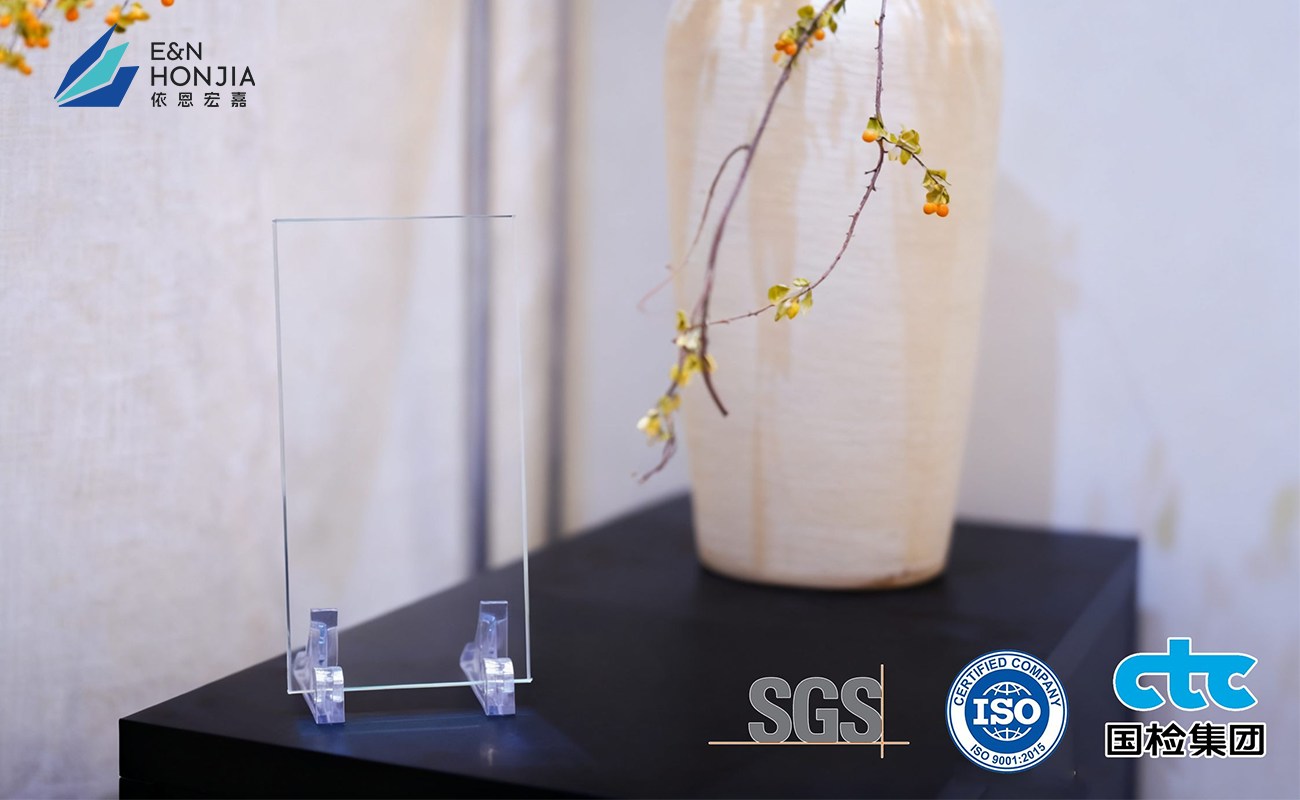
In today's world—where modern architectural design and interior decoration constantly strive for innovation and personalization—the global glass industry is undergoing an unprecedented era of technological evolution. As a core technology for manufacturing high-performance safety glass and decorative glass, the evolution of the lamination process directly determines the physical properties and aesthetic boundaries of the final product.
Among the myriad lamination technologies available, EVA lamination stands out as particularly significant in 2026. Compared to traditional PVB processes—which rely on expensive and massive autoclaves—EVA lamination offers an exceptionally flexible processing method, a lower threshold for equipment investment, and unparalleled potential for widespread application in the realm of decorative glass. Whether utilized in high-end hotel partitions, exquisite artistic glass, or the complex manufacturing of smart dimmable glass, EVA technology plays a leading role.
This brings us to the central question of shared interest among industry experts and buyers alike: What is EVA lamination, and how does it work in the production of laminated glass?
Starting from the fundamental chemical principles, this article will provide an in-depth analysis of the core processes and application advantages of this technology, while also revealing how to identify reliable supply chains within a highly competitive market.
What Is EVA Lamination?
Basic Definition
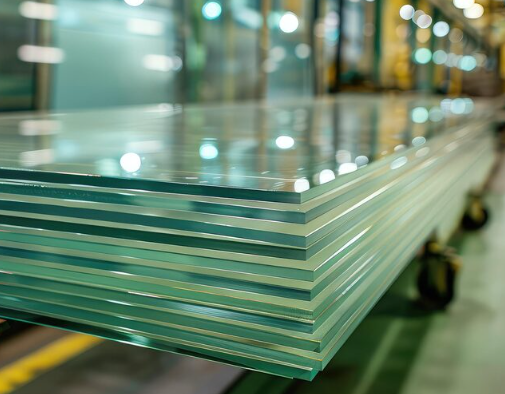
EVA lamination is an advanced processing technique that utilizes an EVA interlayer (Ethylene-Vinyl Acetate copolymer film) as a bonding medium to permanently bond two or more layers of raw glass—along with any embedded functional or decorative inclusions—under specific conditions of heat and vacuum suction.
Basic Structure
Its standard physical structure is quite straightforward: Glass + EVA Interlayer + Glass.
At room temperature, the EVA film exists as a slightly transparent or translucent solid. However, when placed in a lamination furnace and subjected to high temperatures ranging from approximately 120°C to 150°C, the film undergoes both physical melting and chemical cross-linking. This process ultimately fuses the multi-layered structure into a single, indestructible unit of safety glass. The finished product resulting from this EVA process is collectively referred to within the industry as "EVA glass" (or EVA laminated glass).
The Working Principle of EVA Lamination
o truly master the core of glass processing, one must understand the thermodynamic and chemical mechanisms underlying the lamination process. The success of EVA lamination relies on the following four precisely synchronized stages:
- Heating and Softening: As the laminating equipment begins to heat up—reaching temperatures between 60 and 80 degrees Celsius—the polymeric EVA film begins to soften and enters a viscous flow state. At this point, it flows like a thick liquid, filling the microscopic pores on the glass surface or encapsulating decorative materials—such as silk or metal mesh—interposed within the layers.
- Vacuuming: This is the most critical step in preventing blistering within the laminated glass. Concurrently with the heating process, a silicone vacuum bag (or vacuum ring) continuously extracts air, creating a high-vacuum environment internally. This not only compels the glass to adhere tightly to the EVA interlayer but—more importantly—thoroughly extracts all air and moisture vapor from the interlayer, thereby eliminating the potential risk of trapped bubbles.
- Bonding and Crosslinking: As the temperature continues to climb to the curing point—approximately 130 degrees Celsius—the EVA film undergoes a dual-action process: physically, it forms strong hydrogen bonds with the silanol groups on the glass surface; chemically, it undergoes a "crosslinking reaction." Its linear molecular chains are linked by chemical bonds to form a three-dimensional network structure, signifying the transformation of the EVA from a thermoplastic material into a thermosetting material. This irreversible chemical reaction endows the EVA glass with exceptional heat resistance and long-term aging stability.
- Cooling and Curing: Upon the completion of the prescribed holding time under heat and pressure, the equipment enters the cooling phase. The crosslinked EVA re-hardens, firmly locking the glass layers in place. Once the vacuum is released, a piece of laminated glass—boasting superior optical performance and exceptional structural stability—is born.
The Production Process of EVA Lamination
Precision glass processing permits no room for negligence; a standardized production workflow serves as the cornerstone for ensuring high yield rates. 4.1 Glass Cleaning
Any dust, grease, or residual moisture—however imperceptible to the naked eye—will transform into critical bubbles or delamination points under high temperatures. Therefore, utilizing industrial-grade pure-water washing machines to deep-clean and thoroughly dry the glass constitutes the essential first step in the entire process.
4.2 Material Assembly (Lay-up)
Within a strictly climate-controlled cleanroom, operators precisely stack the cleaned glass sheets atop the pre-cut EVA interlayers. If producing decorative glass, the intermediate decorative media must also be meticulously positioned during this stage.
4.3 Vacuum Treatment
The assembled glass stack is carefully placed into a heat-resistant silicone vacuum bag; the bag is then sealed, and the vacuum pump is activated. Typically, a "cold draw" phase of 15 to 30 minutes is required to ensure that all internal air is completely evacuated before the interlayer film begins to melt and seal the edges.
4.4 Heat Lamination
The vacuum bag is transferred into a lamination furnace, where a preset, multi-stage temperature control program is initiated. A scientifically designed temperature profile—comprising softening, degassing, and cross-linking/holding phases—serves as the critical determinant of the laminated glass's ultimate optical clarity and degree of cross-linking.
4.5 Cooling and Inspection
Upon completion of the lamination cycle, the glass is allowed to cool—either naturally or via forced air—to room temperature while remaining under vacuum. Once removed from the furnace, quality control inspectors conduct rigorous examinations of each glass sheet to verify light transmittance, haze levels, the absence of bubbles, and the condition of the sealed edges.
Advantages of EVA Lamination
Why, in 2026, are an increasing number of glass processing facilities embracing EVA technology? This trend is driven by four core advantages:
5.1 Exceptional Process Flexibility
The greatest benefit of EVA lamination lies in the fact that it "does not require an autoclave." The entire process can be completed using a single vacuum heating furnace; this significantly lowers the capital investment threshold and energy consumption costs for small-to-medium-sized glass processors, while simultaneously making small-batch, multi-variety custom orders both feasible and economically viable.
5.2 Extremely Low Moisture Absorption
This represents the critical advantage that allows EVA to outperform PVB. PVB is highly susceptible to absorbing moisture from the surrounding air, a vulnerability that frequently leads to whitening and delamination along the glass edges. Furthermore, cross-linked EVA possesses inherent hydrophobicity, which significantly mitigates issues such as delamination and blistering caused by moisture ingress, thereby substantially extending the service life of glass in high-humidity environments—such as bathrooms and coastal regions.
5.3 Exceptional Transparency
Modern, high-end EVA films have not only overcome the yellowing issues prevalent in earlier generations but also boast a light transmittance rate that reaches—and in some cases even exceeds—91%. This exceptional optical performance makes them highly sought after in the demanding fields of high-end architecture and interior decoration.
5.4 Immense Design Flexibility
Thanks to EVA's high fluidity in its molten state, it can flawlessly encapsulate a wide variety of materials—including silk, PET films, metal mesh, and even sensitive PDLC smart dimming films. This unique characteristic grants designers boundless creative freedom, fueling a boom in the market for decorative laminated glass.
Applications of EVA Glass
Applications of EVA Glass
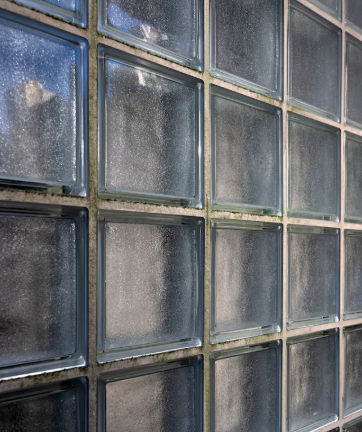
Leveraging the aforementioned irreplaceable advantages, EVA glass has carved out a vital niche within the vast glass industry, finding widespread application in the following areas:
• Interior Decorative Glass: High-transparency partitions and gradient-colored glass walls.
• Furniture Glass: Safety-enhanced glass tabletops and high-end cabinet doors.
• Shower Enclosures: Utilizing its superior moisture resistance and anti-delamination properties to ensure safety in bathroom environments.
• Smart & Artistic Glass: Encapsulating PDLC liquid crystal films to enable on-demand privacy control (via dimming), or encapsulating various fabrics to create artistic interplay of light and shadow.
EVA Lamination vs. Other Processes: A Comparison
To provide you with a more intuitive understanding of the differences between these processes, we have conducted a comprehensive comparison of EVA lamination against the traditional PVB process.
Table 1: EVA Lamination vs. PVB Process Comparison
| Feature/Metric | EVA Lamination | PVB Process |
| Equipment Required | Vacuum Oven (No Autoclave) | Autoclave strictly required |
| Moisture Absorption | Very Low (Hydrophobic) | High (Hygroscopic) |
| Processing Difficulty | Relatively Low & Flexible | High & Strictly controlled |
| Adhesion to Inserts | Excellent (Fabric, PDLC, PET) | Poor (Requires special treatment) |
| Primary Applications | Decorative, Smart Glass, Interiors | Traditional Architectural, Automotive |
How to Choose a High-Quality EVA Glass Film Supplier?
No matter how sophisticated the manufacturing process may be, the entire effort is in vain if the raw materials are substandard. Given the mixed quality of suppliers currently flooding the market, how can you identify a truly reliable partner?
8.1 Key Criteria for Evaluating Glass Film Suppliers
• Are they a primary manufacturer? A genuine supplier must possess its own R&D laboratory and extrusion production lines, rather than merely acting as a private-label trading intermediary.
Formula Stability: Assess whether the product features a mature cross-linking system and an anti-UV formulation; this directly determines whether the glass will yellow after five years.
• Technical Support Capabilities: An excellent supplier can tailor heating temperature profiles specifically to the characteristics of your laminating furnace and assist in resolving complex issues encountered during actual production.
In this field, we highly recommend the industry-renowned E&N (EnevaGlass). As a manufacturer with over 20 years of deep expertise in novel polymer materials, E&N’s EVA interlayers enjoy an exceptional reputation within the industry. They not only supply "Clear EVA" films—which boast extremely high light transmittance and perfect cross-linking—but also provide comprehensive technical guidance, helping clients resolve issues such as bubbling and yellowing at the source.
8.2 Criteria for Evaluating Laminated Glass Manufacturers
If you are a project procurement manager, identifying a high-quality laminated glass manufacturer also requires a specific set of criteria:
• Possession of a mature and standardized temperature-controlled process for EVA lamination.
• Ownership of a complete quality control system, including cleanroom facilities.
• Possession of international certifications and extensive experience in delivering large-scale engineering projects.
Table 2: Supplier Evaluation Checklist
| Evaluation Criteria | Premium Supplier (e.g., E&N) | Standard Trader |
| Production Facility | Class 10,000 Cleanroom | Outsourced / Unknown |
| R&D Capability | In-house formula optimization | None |
| Technical Support | Customized lamination profiles | Basic product manual only |
| Quality Consistency | High (Tested cross-link rate) | Variable batch-to-batch |
FAQ
Q1: What is EVA lamination used for?
A: It is primarily used to manufacture high-performance laminated glass. Due to its excellent encapsulation properties and moisture resistance, it finds extremely wide application in high-end interior decorative glass, smart switchable glass, and architectural glass designed for special environments.
Q2: Is EVA lamination better than PVB?
A: In terms of interior decoration, multi-material composites (such as glass laminated with fabric or wire mesh), and resistance to moisture-induced edge delamination, EVA is definitely superior to PVB. However, for ultra-high-rise curtain wall structures designed to withstand extreme dynamic wind loads, PVB—along with its upgraded variant, SGP—holds a more dominant position within industry standards. Each material has its own specific strengths.
Q3: What is EVA glass?
A: It is a type of laminated safety glass manufactured using an EVA interlayer as the bonding medium, processed via a vacuum-assisted heating method.
Q4: Does EVA lamination require an autoclave?
A: No, it does not. This is one of its most compelling process advantages. A single heated laminating furnace equipped with a vacuum pump is all that is required to complete the entire high-quality lamination process, thereby significantly reducing both capital investment in equipment and operational energy consumption.
Conclusion
In summary, EVA lamination is far more than merely an alternative technology; it serves as an indispensable cornerstone within the modern laminated glass production ecosystem.
By leveraging high-performance EVA interlayers, glass processing enterprises have successfully dismantled the high equipment barriers inherent in traditional processes, achieving unparalleled transparency, remarkable processing flexibility, and stable performance that remains impervious to humid environments. In the thriving glass industry of 2026, the convergence of personalization, intelligence, and safety is an established certainty; within this landscape, EVA lamination—with its unique appeal—is emerging as the core solution driving global innovation in both decorative and functional glass applications. For any glass manufacturer striving for excellence and seeking to establish a competitive edge through differentiation, mastering and refining the EVA lamination process is, without question, the key to unlocking success in the markets of the future.