
How to Store EVA Film for Laminated Glass: Storage Conditions, Shelf Life & Handling
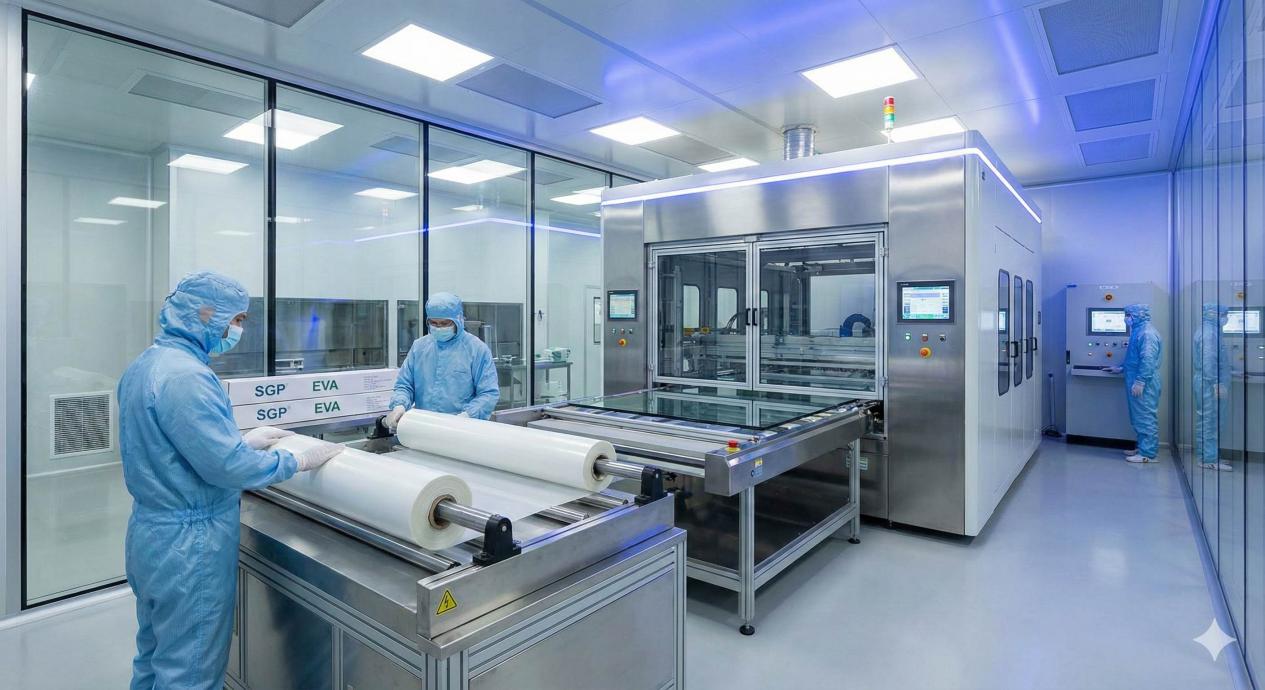
EVA interlayer film is often selected because it can deliver clear optical performance, reliable bonding and flexible vacuum lamination for architectural, decorative and smart glass. Yet the finished glass can only perform as expected when the EVA film is handled correctly before lamination.
For glass processors, poor storage rarely looks like a major problem at first. A roll may appear normal when it is unpacked, then produce haze, bubbles, edge separation or inconsistent bonding after the lamination cycle. These defects can increase rework, delay delivery and create unnecessary material waste. The practical goal is simple: keep EVA film clean, sealed, stable and traceable from receiving through layup.
Quick Answer: EVA Film Storage Conditions at a Glance
Store unopened EVA Interlayer film in its original moisture barrier packaging, in a clean and dry indoor area away from direct sunlight, heat sources, dust and chemicals. Keep rolls off the floor, record batch information and use older approved stock first.
For E&N clear EVA Interlayer film, keep sealed rolls in a clean, dry indoor area at 5°C to 25°C, with relative humidity below 60%. Store the film in its original moisture-proof packaging and protect it from direct sunlight, heat and contamination before lamination. As storage requirements may vary by EVA grade, always follow the conditions shown on the current product label and technical data sheet.
| Material condition | Recommended action | Main risk to control |
|---|---|---|
| Unopened roll | Keep original packaging intact and store indoors | Moisture, heat, UV exposure |
| Opened roll | Reseal immediately with clean moisture resistant packaging | Dust, surface contamination, moisture uptake |
| Cut sheets | Cover, protect and use within the planned production shift | Condensation, handling damage, trapped debris |
| Heat or moisture exposed roll | Isolate, inspect and run a trial laminate before production | Blocking, haze, weak bonding |
| Material beyond stated shelf life | Hold for supplier review or controlled testing | Reduced process consistency |
Why Storage Matters Before Lamination
EVA is designed to soften, flow and crosslink during the lamination cycle. Before that process, the film is still vulnerable to its storage environment.
Excess heat can increase the risk of blocking, where adjacent layers of film stick together inside the roll. Moisture can affect the film surface and adhesion system. Dust, fingerprints, oil and packaging damage may later appear as bubbles, white spots or optical defects in the finished glass.
Storage is particularly important for clear architectural glass. E&N HJ-AT high flow extra clear EVA is specified with visible light transmittance above 90.6%, haze below 0.29%, crosslinking above 85% and water absorption at or below 0.1%. Those values represent the performance level the processor expects after lamination. A poorly stored roll can make it harder to achieve that result consistently.
This does not mean every defect is caused by storage. Glass cleaning, vacuum level, heating curve, panel design, embedded materials and edge finishing also matter. The point is that a stable storage process removes one preventable source of variation before production begins.
Set Up the Right EVA Film Storage Area
Keep Temperature and Humidity Stable
Do not place EVA rolls beside furnaces, hot machinery, roof glazing or loading doors that receive direct afternoon sun. Sudden changes in temperature can be as troublesome as a consistently warm room because they can create condensation when cold material is brought into a humid layup area.
For applicable E&N clear EVA grades, 5°C to 25°C and below 60% RH is a useful operating target. Use a visible thermometer and hygrometer in the storage zone. For larger facilities, a data logger gives the warehouse team a record that can be checked when a quality issue is investigated.
Do not publish one temperature range as universal for all EVA films. Different formulations, packaging systems, roll sizes and application grades can have different requirements.
Keep Rolls Sealed, Clean and Off the Floor
Original packaging protects the film from airborne contamination and moisture. Leave it in place until the roll is scheduled for use.
Use clean pallets, racks or support systems to keep rolls away from floor moisture and cleaning water. Avoid placing heavy items on rolls or storing them where forklift traffic can damage edges and cores. Large rolls should be handled with suitable lifting equipment or core supports so that the material is not crushed, bent or dropped.
Keep the storage area separate from solvents, sealants, oils and dusty cutting operations. EVA may not show contamination immediately, but the finished laminate can reveal it clearly.
Use a Simple Receiving Label
Every roll should be traceable. A basic label can include:
- Product model
- Thickness and width
- Batch or lot number
- Date received
- Manufacturer date
- Shelf-life date
- Date opened
- Storage location
- Operator or warehouse check
This small control makes FIFO practical. It also helps the production team identify which material was used if a panel needs to be reviewed later.
Shelf Life: Do Not Treat Every Roll the Same
Shelf life is not a generic promise that applies to every EVA interlayer. It depends on formulation, packaging integrity and the storage conditions actually maintained after shipment.
The safest approach is to follow the shelf life on the roll label and the current product specific TDS. For warehouse planning, create an internal review point before the stated end date rather than waiting until the last day. Check packaging condition, storage history and upcoming production demand.
When a roll is near the end of its stated shelf life, do not automatically move it into a critical project. Use it first for a controlled trial or an approved production application where the glass structure and process are already well understood.
A roll that has been stored outside the recommended conditions should not be treated as normal stock simply because it is still within its calendar shelf life. Conversely, an unopened roll that is close to its date may still require a technical decision rather than immediate disposal. The right action depends on the product specification, its storage history and a representative lamination test.
How to Handle Opened Rolls and Cut EVA Sheets
Once a roll is opened, the focus shifts from long term warehousing to short term process control.
Only open the amount of film needed for the scheduled work. After cutting, reseal the unused material using clean, moisture resistant packaging. Avoid touching the film surface with bare hands, placing it directly on dusty worktables or leaving it beside open doors.
A practical factory rule is to use cut sheets within the same production shift. Some processors set an internal maximum of eight hours for exposed material. This can be a useful control point, but it should not replace the instructions for the specific EVA grade.
If a roll has been stored in a cool room and is moved into a warm, humid layup area, allow the sealed roll to reach room temperature before opening it. Opening cold film too early can cause condensation on the surface. That moisture may later become bubbles or weak areas after lamination.
For decorative glass, this discipline matters even more. Fabric, metal mesh, printed films and paper inserts can introduce their own moisture or contamination risks. Keep all components clean, dry and compatible with the planned lamination cycle.
What to Do When a Roll Looks Questionable
Do not rely on appearance alone, but do inspect every questionable roll before use.
Place the material in a hold area if you notice yellowing, milky areas, unusual tackiness, edge damage, flattening, packaging leaks or visible contamination. Record the lot number and the reason for the hold.
Then use a simple release process:
- Review the roll label, shelf life and storage history.
- Check whether the packaging was compromised.
- Inspect the film under clean, even lighting.
- Cut a representative sample without using damaged outer layers.
- Run a small trial laminate using the actual glass structure and process.
- Review clarity, bubbles, edge condition and bonding before approving the roll for production.
A trial laminate is especially important when the finished product will be used outdoors, in high humidity locations or in a design where the glass edge is exposed.
Select EVA by Application, Not by One Number
Storage and material selection are connected. The correct film depends on where the final glass will be installed and how it will be processed.
For outdoor architectural glass, E&N HJ-WA and HJ-WH are designed for applications where clarity, weather resistance and edge stability are important. HJ-WA provides higher flow during lamination, while HJ-WH offers more controlled flow when tighter edge control is preferred.
For complex structures with mesh, fabric or other inserts, HJ-AT high flow EVA Interlayer can help with wet out and material movement during heating. HJ-HT is the more controlled flow option for processors who need less movement at the edges.
For indoor partitions, furniture glass and display applications, HJ-WB clear EVA Interlayer is designed for stable indoor performance. For smart glass, HJ-PL is used in a typical Glass / EVA / PDLC / EVA / Glass structure, where cleanliness, film alignment and vacuum control are essential.
For structural, security or blast critical projects, EVA selection should never be based on storage advice or a general product description alone. The complete glass structure, project requirements, applicable standards and performance testing must be reviewed before specification.
What to Ask an EVA Interlayer Manufacturer Before Ordering
A good supplier should provide more than a roll price. Before placing an order, ask for:
- Storage and shelf-life instructions
- Batch identification and traceability approach
- Packaging details for shipping and warehouse protection
- Recommended lamination parameters
- Guidance for opened rolls and abnormal storage exposure
- Sample availability for your actual glass structure
- Custom options for thickness, width, color and flow level
- Technical support for your equipment and climate conditions
This information helps purchasing teams compare suppliers on process reliability, not only on material cost.
FAQ
Q1. Does EVA film need refrigerated storage?
A: Not necessarily. Many EVA grades are designed for controlled room temperature storage rather than refrigeration. Follow the product TDS and avoid heat, direct sunlight and condensation.
Q2. Can opened EVA film be used later?
A: Yes, if it is resealed correctly, kept clean and used within the supplier's stated handling window. Record the opening date and inspect the film before reuse.
Q3. How do I know if EVA film has absorbed moisture?
A: Possible signs include a milky appearance, unusual surface feel, yellowing, poor clarity or bubbles after lamination. A trial laminate is the safest way to evaluate questionable material.
Q4. Is EVA suitable for outdoor laminated glass?
A: Selected outdoor EVA grades can be used for suitable exterior applications. The final decision should consider UV exposure, edge design, glass structure, installation method and project requirements.
Conclusion
Proper EVA film storage protects laminated glass quality long before lamination begins. Keep EVA interlayer rolls sealed, clean, dry and traceable; control temperature and humidity, reseal opened material, follow FIFO, and inspect questionable rolls with a trial laminate. Always follow the product-specific TDS for storage conditions and shelf life, then select the EVA grade that fits your glass structure, equipment and application with confidence.