
What Thickness of EVA Interlayer Is Used for Laminated Glass?
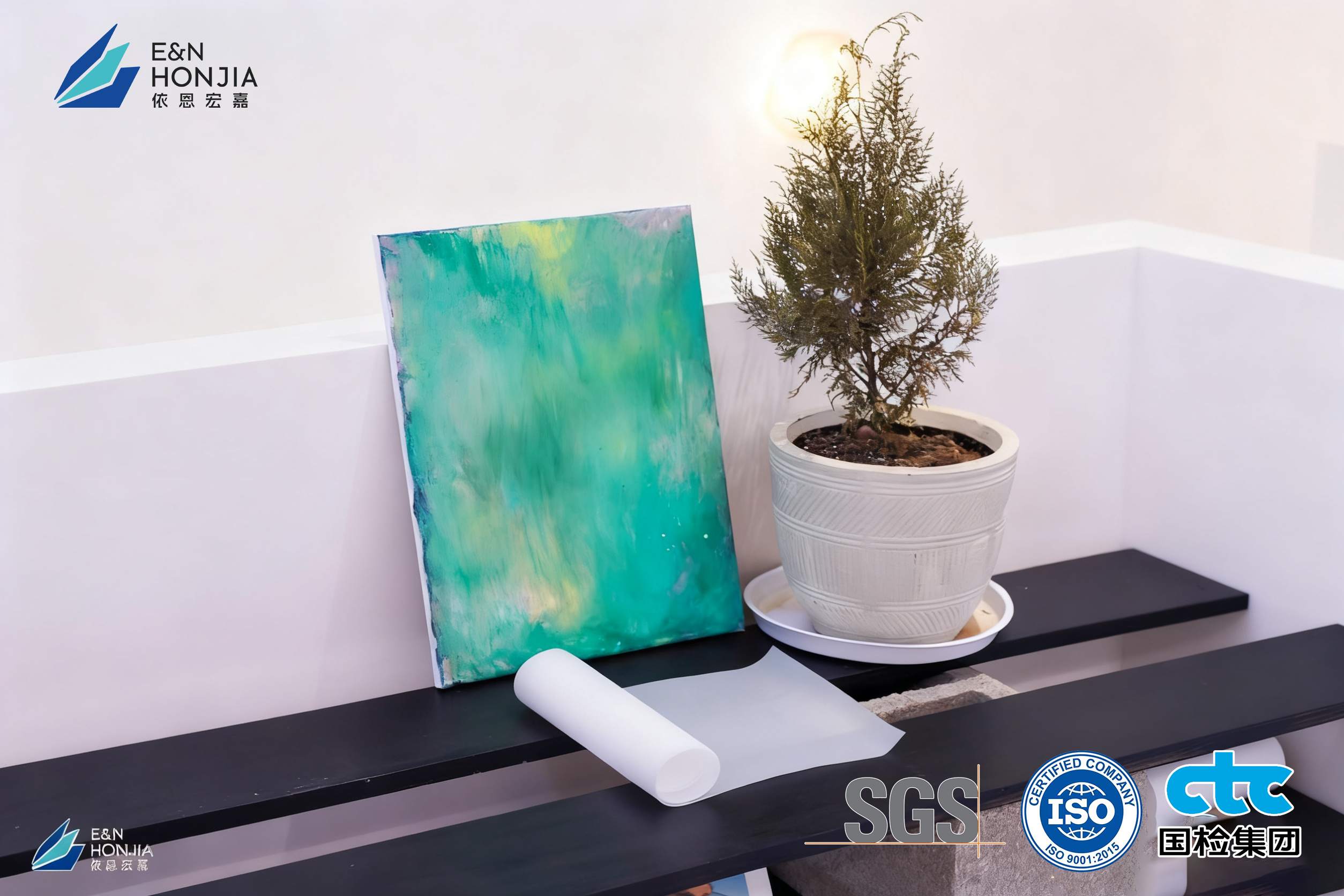
Choosing the right EVA interlayer thickness is one of the most important decisions when designing or sourcing laminated glass. A 0.38mm film may be enough for many interior decorative panels, while 0.76mm or thicker EVA structures are often considered for safety glass, outdoor glazing, railings, skylights, and larger architectural projects.
But thickness alone does not tell the full story. The best choice also depends on the glass type, panel size, application environment, edge exposure, lamination process, and required safety performance. Using the wrong EVA thickness can lead to bubbles, weak bonding, poor edge stability, or unnecessary cost.
In this guide, we explain the common EVA interlayer thicknesses used for laminated glass, compare 0.38mm, 0.76mm, 1.52mm and thicker options, and show how to choose the right structure for different projects. Whether you are buying EVA film rolls or finished laminated glass, this article will help you make a clearer and more practical specification before requesting a quote.
Quick Answer
The most common EVA interlayer thicknesses used for laminated glass are 0.38mm and 0.76mm per layer. For many decorative glass panels, partitions and interior laminated glass, 0.38mm EVA is a practical choice. For safety glass, exterior glazing, railings, skylights and larger architectural panels, 0.76mm or thicker EVA constructions are more commonly considered.
For heavier-duty laminated glass, manufacturers may stack multiple EVA films to reach 1.14mm, 1.52mm, 2.28mm or more. The right thickness depends on the glass type, application, panel size, safety requirement, lamination process, edge exposure and whether decorative materials are embedded inside the glass.
In short: do not choose EVA thickness by number alone. Choose it by application and performance requirement.
What Is EVA Interlayer in Laminated Glass?
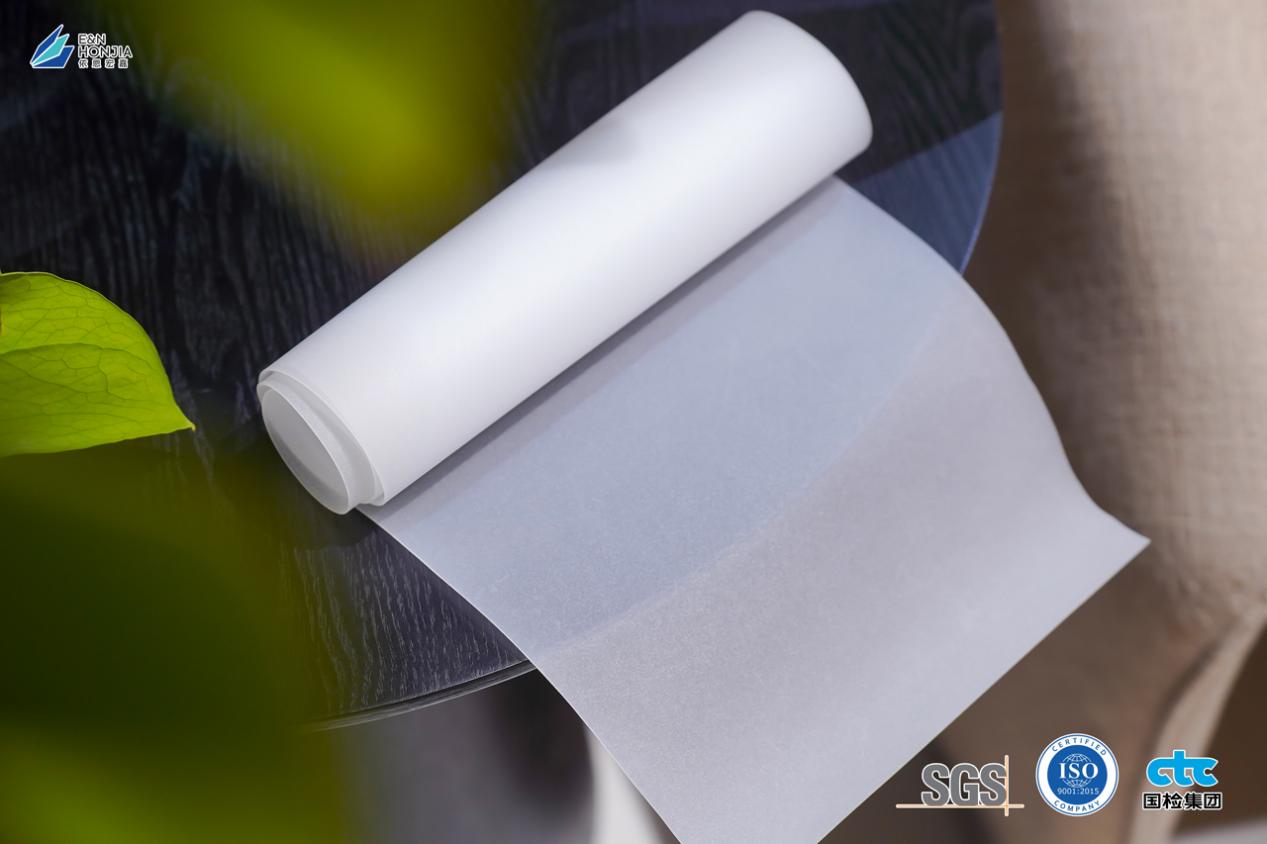
EVA stands for Ethylene Vinyl Acetate. In laminated glass, EVA interlayer is placed between two or more sheets of glass and then bonded under heat and vacuum. After lamination, the interlayer helps hold the glass pieces together if breakage occurs.
For glass processors and project buyers, EVA is popular because it offers:
- Good transparency for clear laminated glass
- Strong adhesion to glass and many decorative materials
- Moisture resistance for suitable outdoor-grade applications
- Flexible processing for fabrics, metal mesh, printed films and PDLC smart film
- A wide choice of clear, white, black, frosted and colored finishes
This is why EVA interlayer is widely used in decorative laminated glass, architectural glass, smart glass, interior partitions, shower enclosures, balustrades, skylights and custom glass projects.
However, EVA film is not one single product. Different formulas, thicknesses and flow levels can produce very different results. That is why selecting the correct thickness is an important part of laminated glass design.
Common EVA Interlayer Thickness Options
Most buyers will see EVA film supplied in the following thicknesses:
| EVA Interlayer Thickness | Common Use | Buyer’s Note |
| 0.25mm | Thin decorative film, light design inserts | Useful when the insert is very thin and the panel is not safety-critical |
| 0.38mm | Interior decorative glass, partitions, furniture glass, light laminated glass | One of the most common EVA thicknesses |
| 0.50mm |
|
Used when more encapsulation is needed than 0.38mm |
| 0.76mm | Safety glass, doors, windows, railings, exterior panels | A widely used thickness for stronger laminated glass structures |
| 1.14mm | Multi-layer EVA construction | Often made by stacking 0.38mm + 0.76mm or three 0.38mm layers |
| 1.52mm |
|
Common for thicker panels, tempered laminated glass and demanding applications |
| 2.28mm+ | Security, overhead, large-size or special engineering glass | Must be confirmed by project testing and local standards |
For example, E&N HONJIA supplies clear EVA interlayers in standard 0.38mm and 0.76mm options, with customized specifications available for project requirements. Multiple layers can be used when the laminated glass needs additional thickness, better encapsulation or higher performance.
How EVA Interlayer Thickness Affects Laminated Glass Performance
1. Safety and Fragment Retention
When laminated glass breaks, the interlayer helps keep the broken glass fragments bonded. A thicker EVA structure usually provides more material for bonding and energy absorption.
However, thickness alone does not make glass “certified safety glass.” The complete laminated glass structure must be tested according to the relevant safety standard for the target market.
For buyers, this means you should ask the supplier for:
- Glass structure
- Interlayer type and thickness
- Impact test report
- Safety standard compliance
- Application recommendation
- Production quality control process
2. Optical Clarity
A thicker interlayer does not automatically mean lower clarity, but it does increase the importance of formula quality and lamination control.
For high-clarity laminated glass, check:
- Visible light transmittance
- Haze value
- Yellowing index
- UV aging test results
- Cleanliness during lay-up
- Bubble and edge inspection
For example, high-quality clear EVA interlayers should maintain high light transmission and low haze after proper lamination.
3. Bubble Control
Bubbles are one of the most common quality problems in EVA laminated glass.
They can be caused by:
- Insufficient vacuum
- Dirty glass surface
- Moisture on glass or inserts
- Wrong heating curve
- Poor edge sealing
- EVA flow not matching the insert material
- Using too little EVA for thick decorative materials
When embedding fabrics, metal mesh, rice paper, printed film or other decorative materials, a thicker EVA layer or high-flow EVA can help the interlayer penetrate the texture and fill small gaps.
4. Edge Stability
For frameless or bare-edge laminated glass, edge stability becomes very important. Exterior glass edges are exposed to moisture, UV radiation and temperature changes.
If the project requires exposed edges, ask your supplier whether the EVA is suitable for:
- Bare-edge installation
- Outdoor use
- High humidity
- UV exposure
- Long-term anti-yellowing performance
- Sealant compatibility
Not all EVA films are suitable for the same environment. Indoor EVA should not be used as a direct substitute for outdoor-grade EVA without confirmation.
5. Lamination Processing
EVA is commonly processed in a vacuum lamination oven. During heating, the EVA softens, flows and bonds with the glass. After curing, the interlayer forms a stable bonded layer.
The thicker the EVA, the more attention should be paid to:
- Vacuum level
- Heating time
- Curing temperature
- Cooling process
- Edge overflow
- Glass flatness
- Insert material thickness
If the glass is tempered and has slight waviness, thicker EVA or multiple EVA layers may help improve contact and bonding. But it should be tested before mass production.
Recommended EVA Thickness by Laminated Glass Application
The right EVA thickness depends on where the laminated glass will be used. For most projects, 0.38mm and 0.76mm are the two most common starting points. Thicker structures are usually made by stacking several EVA layers.
| Application |
|
|
| Interior decorative glass | 0.25–0.38mm | Partitions, cabinet glass, furniture glass, printed film |
| Standard laminated glass | 0.38–0.76mm | Doors, windows, office partitions, general architectural glass |
| Decorative glass with fabric or mesh | 0.76mm or multilayer EVA | Fabric glass, metal mesh glass, textured decorative panels |
| Shower doors and bathroom glass | 0.76mm | Areas with higher humidity and frequent use |
| Exterior laminated glass | 0.76–1.52mm | Outdoor doors, windows, façade panels, exposed-edge glass |
| Glass railings and skylights | 1.52mm or project-specific | Safety-critical and overhead applications |
| Smart PDLC laminated glass | 0.38–0.76mm on each side | Glass + EVA + PDLC film + EVA + glass |
In general, 0.38mm EVA is a good choice for many indoor decorative applications. 0.76mm EVA is more suitable when the glass needs better safety, stronger bonding, or improved moisture resistance. For railings, skylights, large panels, or outdoor projects, the final thickness should be confirmed according to glass size, installation method, and local safety requirements.
Common Mistakes When Choosing EVA Interlayer Thickness
1. Choosing only by price:
A thinner EVA film may reduce material cost, but it may also increase the risk of bubbles, poor encapsulation, weak edge stability or insufficient performance.
2. Using 0.38mm for every project:
0.38mm is useful, but it is not a universal solution. Larger panels, safety glass, outdoor glass and glass with thick inserts often require more EVA material.
3. Thinking thicker EVA always means better glass:
Thicker EVA may improve some performance aspects, but it also requires proper processing. Too much interlayer, poor heating control or unsuitable flow can affect optical quality and edge appearance.
4. Ignoring glass flatness:
Tempered glass may have waviness. If the glass is not flat enough, the EVA may not contact the entire surface evenly. This can lead to bubbles or weak bonding.
5. Forgetting the insert material:
Fabric, mesh and paper can trap air or moisture. Decorative inserts should be tested before mass production.
6. Treating laminated glass as automatically certified safety glass:
Laminated glass may provide safety benefits, but certification depends on the complete tested glass structure. Buyers should confirm the required standard for their market.
7. Using indoor EVA for outdoor exposed-edge glass:
Outdoor laminated glass needs weather-resistant EVA. Always confirm whether the EVA is suitable for exterior use and exposed-edge installation.
Buyer’s Checklist: What to Send Before Asking for a Quote
To get an accurate recommendation, send your supplier more than just “I need EVA film.”
Use this RFQ checklist:
- Project application: railing, partition, skylight, façade, shower door, smart glass, decorative glass, etc.
- Indoor or outdoor use
- Framed edge or exposed edge
- Glass size
- Glass thickness
- Glass type: annealed, tempered, heat-strengthened, low-iron, low-E, etc.
- Required laminated glass structure, if known
- EVA thickness preference: 0.38mm, 0.76mm, 1.52mm or custom
- Clear, white, black, frosted, colored or special EVA
- Decorative insert material, if any
- Required standard or test report
- Target market or country
- Quantity and delivery schedule
- Whether sample testing is needed
The more details you provide, the more accurate the recommendation will be.
Why Work with E&N HONJIA for EVA Interlayer and Laminated Glass?
E&N HONJIA focuses on interlayer film and laminated glass solutions for architectural, decorative and functional glass applications. Our product range includes EVA interlayer, SGP ionoplast interlayer, PDLC smart film and finished laminated glass.
For EVA laminated glass buyers, we can help with:
- EVA thickness recommendation
- Clear, ultra-clear, white, black and decorative EVA options
- Indoor and outdoor-grade EVA selection
- High-flow and standard-flow EVA recommendations
- Laminated glass structure design support
- Sample testing before production
- Technical support for glass processors
- Finished laminated glass supply
Whether you are buying EVA film rolls for your own lamination line or sourcing finished laminated glass for a project, our team can help you choose a practical structure based on application, performance and budget.
Conclusion
For most laminated glass projects, EVA interlayer thickness starts with 0.38mm or 0.76mm. 0.38mm is often used for indoor decorative glass, while 0.76mm is a better choice for safety glass, exterior panels, shower doors and larger laminated glass. For railings, skylights, canopies or heavy-duty architectural glass, multiple EVA layers may be used to reach 1.52mm or more. The best thickness depends on glass type, size, application, edge exposure, lamination process and required safety performance.
FAQ
Q1. What is the standard EVA interlayer thickness for laminated glass?
A: The most common EVA interlayer thicknesses are 0.38mm and 0.76mm. 0.38mm is often used for decorative laminated glass, while 0.76mm is commonly selected for stronger safety and architectural glass applications.
Q2. Is 0.38mm EVA enough for laminated glass?
A: 0.38mm EVA can be enough for many indoor decorative panels, furniture glass and office partitions. For exterior glass, large panels, railings, skylights or safety glass, 0.76mm or thicker EVA is usually a better starting point.
Q3. When should I use 0.76mm EVA interlayer?
A: Use 0.76mm EVA when the laminated glass needs better bonding, moisture resistance, impact performance or fragment retention. It is often used for doors, windows, shower glass, partitions and general safety laminated glass.
Q4. Can EVA interlayer be stacked for thicker laminated glass?
A: Yes. EVA films can be stacked to create thicker interlayers such as 1.14mm, 1.52mm, 2.28mm or custom structures. This is common for railings, skylights, canopies, security glass and decorative glass with thick inserts.
Q5. Does thicker EVA always mean better laminated glass?
A: Not always. Thicker EVA may improve bonding and impact performance, but the final result also depends on EVA quality, glass type, lamination temperature, vacuum level, panel size and safety testing.