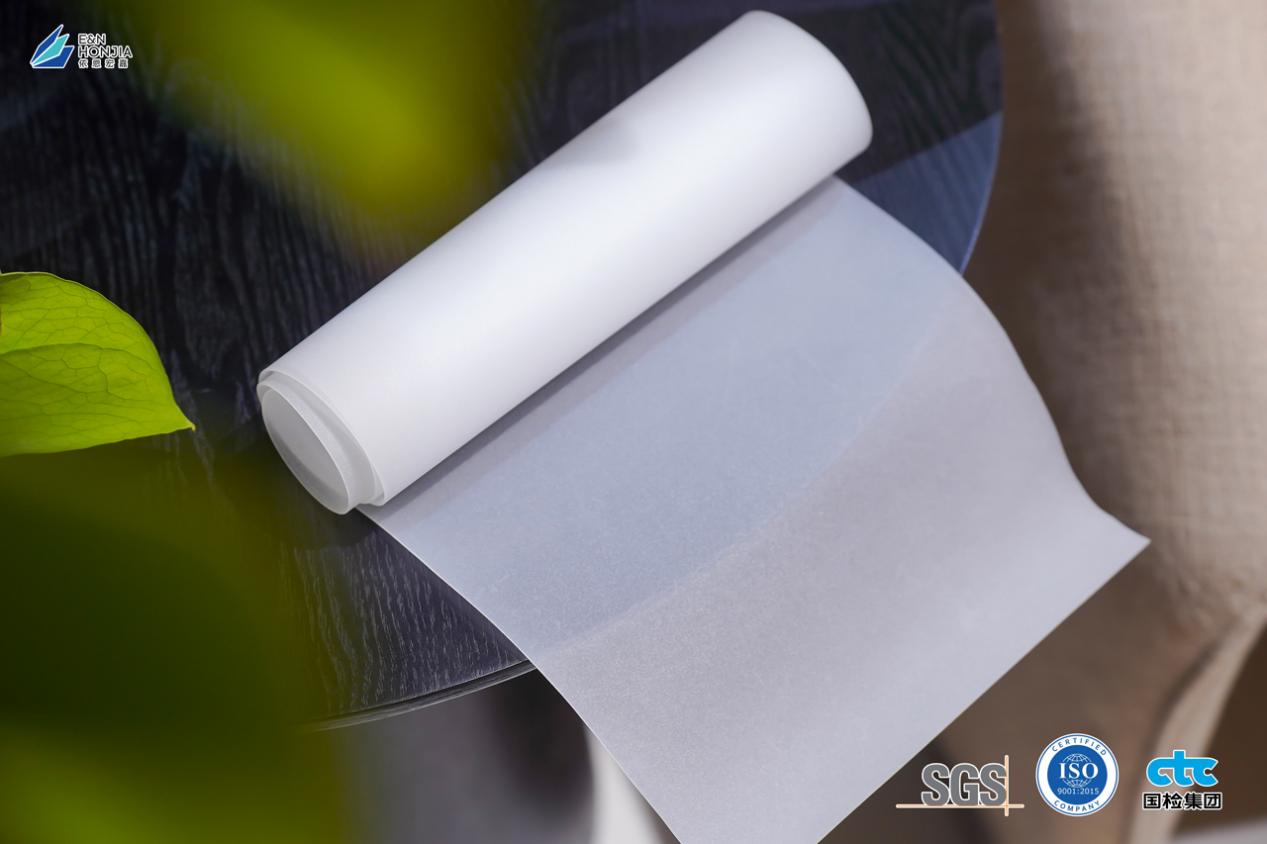
What is the Interlayer in Laminated Glass?
- What is Laminated Glass?
- The Role of Interlayers in Laminated Glass
- Comparison of Common Interlayer Types
- How to Choose the Right Interlayers for Laminated Glass
- Interlayer Production and Glass Processing Technology
- Advanced Glass: The Development of High-Performance Interlayers
- Interlayer Pain Points and Solutions
- Main Applications of Interlayer
- FAQ: Frequently Asked Questions about Interlayer
- Conclusion: High-Performance Interlayers Lead the Future of Advanced Glass
In the "transparent" world of modern architecture, the advancement of glass has never ceased. When we talk about high-rise curtain walls, smart windows, or secure glass floors, we're not just talking about glass itself, but also a composite material—laminated glass.
The true core value of laminated glass lies not in the space between the two panes of glass, but in the "glue" that connects them—the interlayer.
The role of the interlayer goes far beyond that of an adhesive. It is the key material that gives glass its exceptional properties, and its quality directly determines the safety, weather resistance, optical performance, and even the level of intelligence of the laminated glass. With this layer, glass can be upgraded from a fragile material to a truly "advanced glass" solution.
This article will delve into the world of interlayers, exploring key interlayer types such as PVB, Clear EVA, SGP interlayer, and PDLC smart film, and how they, through precise glass processing techniques, are fundamentally changing our understanding of glass.
What is Laminated Glass?
To understand the importance of the interlayer, we must first clarify the composition of laminated glass.
Definition and Composition of Laminated Glass: Laminated glass is a type of safety glass, typically composed of two or more panes of glass bonded together with interlayers, permanently sealed using a high-temperature, high-pressure process.
Why do modern architecture and high-end decoration increasingly rely on laminated glass? The answer is simple: the integration of safety and function. Ordinary glass, once broken, shatters easily cause injury; however, when laminated glass breaks, the fragments adhere tightly to the interlayer, providing "broken but not scattered" protection.
The interlayer is the core of laminated glass. This film is the determining factor in the glass's performance. As a key material connecting two or more layers of glass, the technological evolution of the interlayer has directly driven the development of the entire glass industry. From traditional PVB to high-performance SGP interlayers, and then to PDLC smart films that achieve electro-optical control, each breakthrough in materials has brought new possibilities to architectural design.
The Role of Interlayers in Laminated Glass
The function of interlayers for laminated glass is multi-dimensional, far beyond a simple "adhesive" role.
Safety: Shatterproof, Drop-proof, Explosion-proof
This is the primary task of the interlayer. It provides strong adhesion, giving the glass extremely high penetration resistance. In the event of impact, hurricanes, or even explosions, the interlayer absorbs energy, preventing the glass structure from being completely destroyed.
Optical Performance: High Light Transmittance, Anti-Yellowing
High-quality interlayers, such as Clear EVA, ensure maximum visible light transmittance while remaining clear and transparent even after long-term exposure to sunlight, preventing yellowing. Furthermore, most high-quality interlayers block over 99% of harmful UV rays.
Acoustic Performance: Sound Insulation and Vibration Absorption
The interlayer is an excellent damping material. It effectively absorbs sound wave vibrations, especially reducing low-to-mid-frequency noise (such as traffic noise), making laminated glass far superior to single-pane glass or ordinary insulated glass of the same thickness in terms of sound insulation.
Functional Expansion: Smart Dimming, Decorative Enhancement
By encapsulating special functional materials (such as PDLC smart films or colored/patterned films) as interlayers within the glass, complex functions such as smart dimming, projection display, and unique colors or decorative patterns can be given the glass.
Comparison of Common Interlayer Types
|
Type |
Key Features |
Performance Highlights |
Applications |
|
Clear EVA |
High transparency, weather-resistant, excellent adhesion to various materials, hydrophobic. |
Superior anti-yellowing and moisture resistance. |
Architectural façades, bathroom glass, decorative glass, LED glass. |
|
SGP Interlayer |
High strength, high rigidity, strong post-breakage support. |
Tear strength is 5 times that of PVB, high resistance to blast and hurricane. |
Structural façades, glass bridges, large skylights, bullet-resistant glass. |
|
PDLC Smart Film |
Switchable transparency (opaque to clear) via electric current, privacy function. |
Instant privacy, can be used as a projection screen. |
Office partitions, smart homes, high-end hotels, medical facilities. |
|
PVB |
Cost-effective, good flexibility and acoustic insulation, historically wide application. |
Best cost-performance ratio for general safety needs. |
Automotive glass (windshields), general indoor and outdoor glazing. |
Understanding the characteristics of different interlayers is the first step in selecting high-performance laminated glass. The table below clearly illustrates the differences between four mainstream interlayers:
In-depth analysis:
Advantages of Clear EVA: Its biggest technological advantage lies in its hydrophobicity, effectively solving the problems of traditional PVB films' easy water absorption and edge delamination, thus becoming the first choice for frameless railings and glass in humid environments.
Structural rigidity of SGP: The core competitiveness of SGP interlayers is their extremely high shear modulus, which allows them to support glass to structural material standards, maintaining the integrity of the glass structure even after breakage.
This is crucial for advanced glass applications in large buildings.
How to Choose the Right Interlayers for Laminated Glass
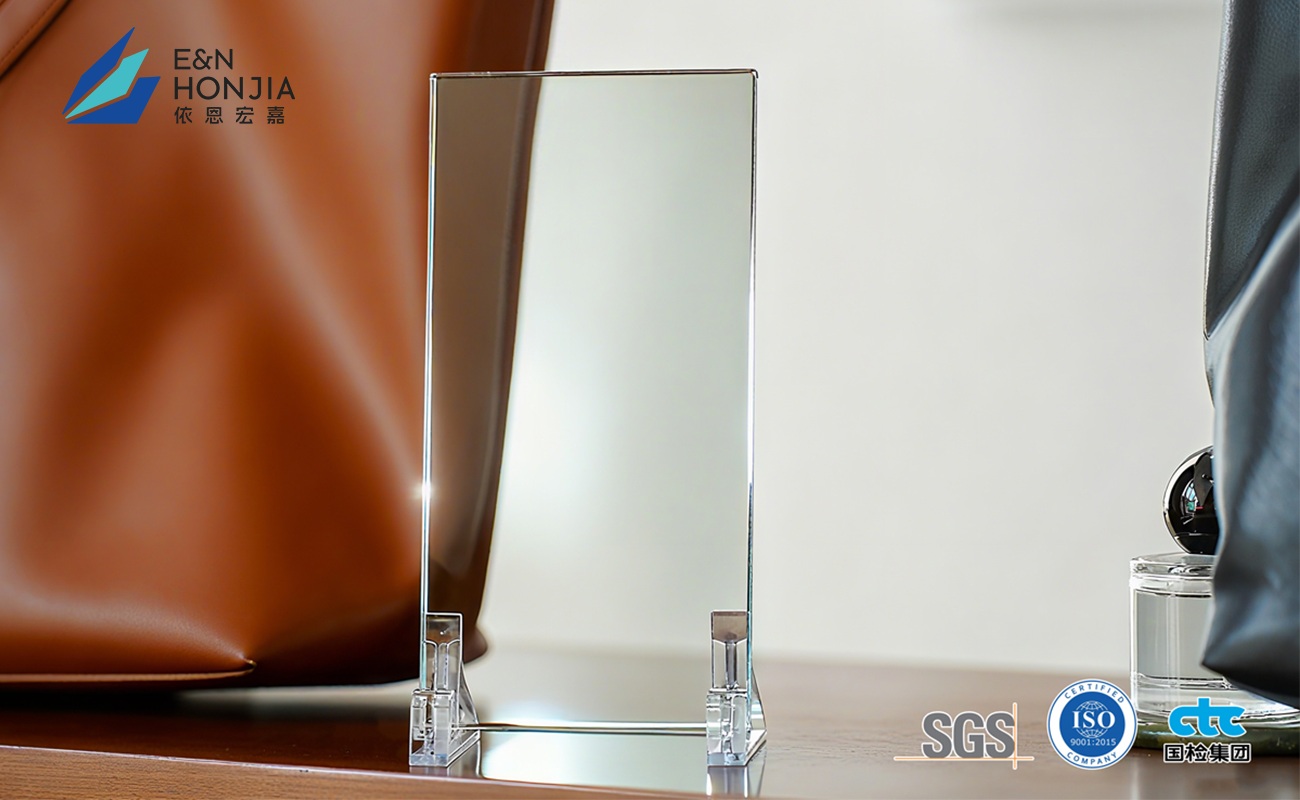
Right Interlayers for Laminated Glass
Choosing the right interlayers for laminated glass is a professional process that balances safety, functionality, and cost.
Choosing Based on Application Scenarios
|
Scenario |
Key Requirements |
Recommended Interlayer |
|
High-Rise Curtain Walls / Skylights |
Structural safety, wind load resistance, post-breakage support. |
SGP interlayer |
|
Interior Partitions / Decoration |
High transparency, embedment capability for decorative materials, low yellowing. |
Clear EVA |
|
Meeting Rooms / Private Spaces |
Privacy protection, electric light control/switching. |
PDLC smart film |
|
Automotive Windshields / General Glazing |
Cost-effectiveness, acoustic insulation, basic safety. |
PVB |
Choosing the Right Interlayer Based on Performance Requirements:
- For high transparency and weather resistance: Choose Clear EVA without hesitation, as it ensures visual purity even under prolonged sunlight exposure.
- For projects requiring extreme strength and rigidity: Use SGP interlayer, especially for load-bearing or explosion-proof applications.
- For projects requiring dynamic privacy and smart features: PDLC smart film is essential.
- Climate and Certification Considerations: In humid or high-UV regions, high-quality Clear EVA and SGP interlayer offer significant advantages due to their superior weather resistance, significantly extending the glass's lifespan. Always choose products with international safety certifications such as SGCC to ensure quality and regulatory compliance.
Interlayer Production and Glass Processing Technology
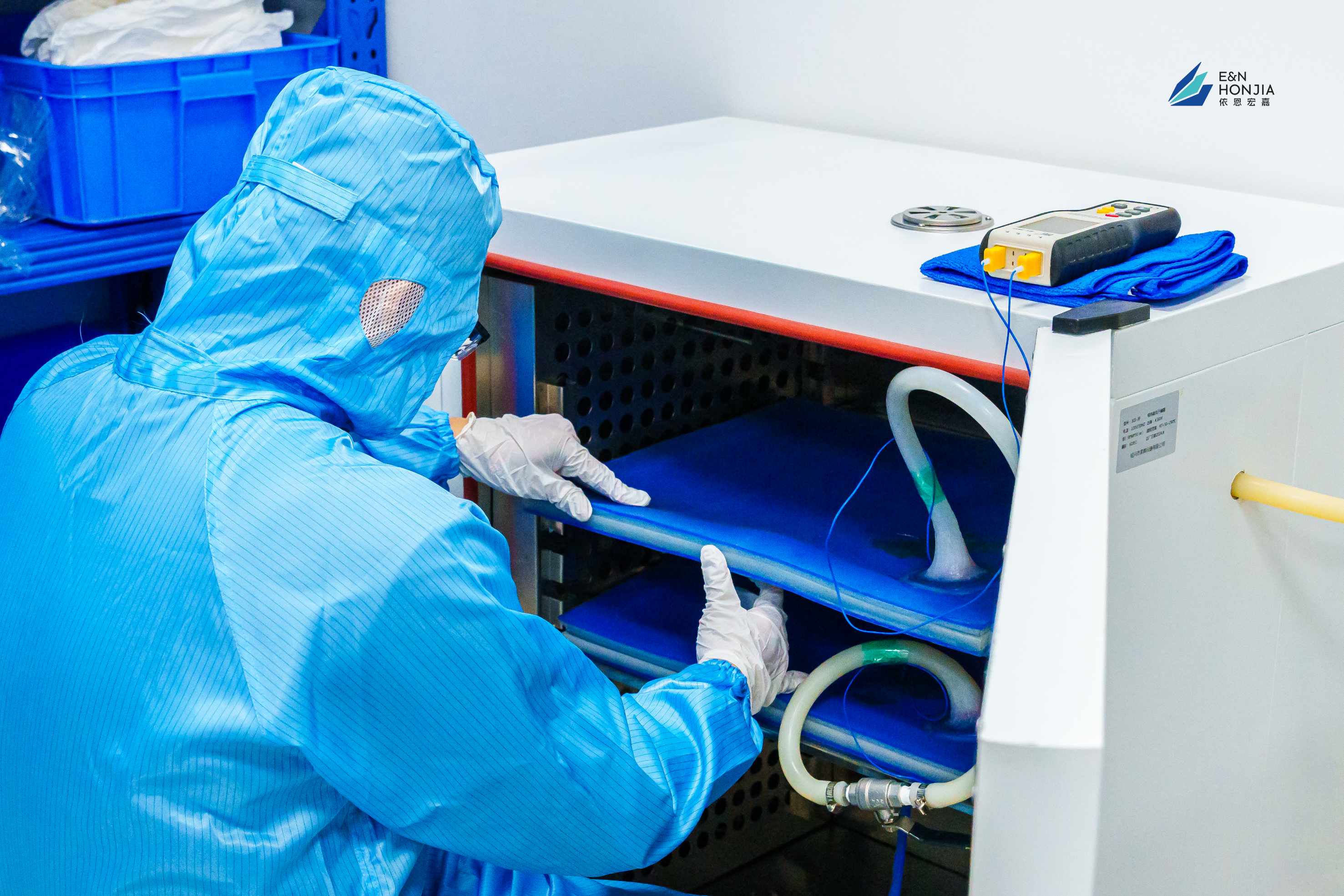
Interlayer Production and Glass Processing
The process of perfectly combining glass and the interlayer is called glass lamination, and this process is the most technically demanding part of the entire glass processing chain.
Vacuum Lamination and Autoclave Processes
The manufacture of laminated glass mainly relies on two processes:
- Autoclave Process: Suitable for PVB and SGP films. Requires extremely high temperatures (approximately 130-150°C) and high pressures (10-15 bar), producing extremely strong adhesion. It is the traditional choice for structural glass.
- Vacuum Lamination Process: Suitable for Clear EVA and PDLC smart films. Primarily relies on heating and vacuum evacuation (negative pressure), without the need for high pressure. This process is more flexible, relatively lower in cost, and particularly suitable for temperature-sensitive materials (such as PDLC films).
- Key Control Points: The key to successful lamination lies in the precise control of heating, pressure, and humidity. Even slight deviations in any step can lead to bubbling, fogging, or delamination in the finished product. For example, high-quality Clear EVA films require cross-linking and curing in specialized EVA laminators according to precise temperature profiles to ensure their final strength and optical consistency.
Advanced Glass: The Development of High-Performance Interlayers
The future of advanced glass lies in smart interlayers.
Breakthroughs in New Polymer Materials
The industry is continuously developing new polymer materials with higher shear modulus, greater resistance to extreme temperatures, and superior optical properties. For example, SGP is evolving towards thinner and lighter designs while maintaining or even exceeding current structural strength.
Intelligent and Energy-Saving Trends
Smart films such as PDLC will be deeply integrated with building central control systems.
Acoustic interlayers will more precisely absorb noise at specific frequencies.
Building Integrated Photovoltaics (BIPV) will transform glass into the building's energy hub.
Environmental Trends
Future interlayers will place greater emphasis on environmental protection. Industry trends include using low-VOC (volatile organic compound) formulations, more energy-efficient production processes, and recyclable or neutral materials to meet green building standards.
Interlayer Pain Points and Solutions
|
Pain Points |
Description |
Solutions (E&N's Expertise) |
|
Bubbles & Delamination |
Air entrapment or separation between layers, often at edges. |
Optimize glass processing procedures; strictly control vacuum and lamination curve. Use high-quality interlayers with strong adhesion. |
|
Yellowing |
Discoloration of the interlayer after prolonged UV exposure, visible on Clear Glass. |
Select Clear EVA or SGP interlayer with superior UV resistance additives to ensure long-term weather resistance. |
|
Edge Instability |
Water ingress and edge separation (delamination) in humid or exposed environments. |
Strongly recommend hydrophobic materials like Clear EVA or SGP interlayer to replace moisture-absorbing traditional films. |
Even advanced glass has its "pain points," but specialized technology is designed to solve these problems.
Professional manufacturers like E&N not only sell membrane materials but also provide one-stop technical support. By providing material data sheets and assisting customers with temperature and humidity control and process optimization, they ensure that the final laminated glass products meet the highest standards required by customers.
Main Applications of Interlayers
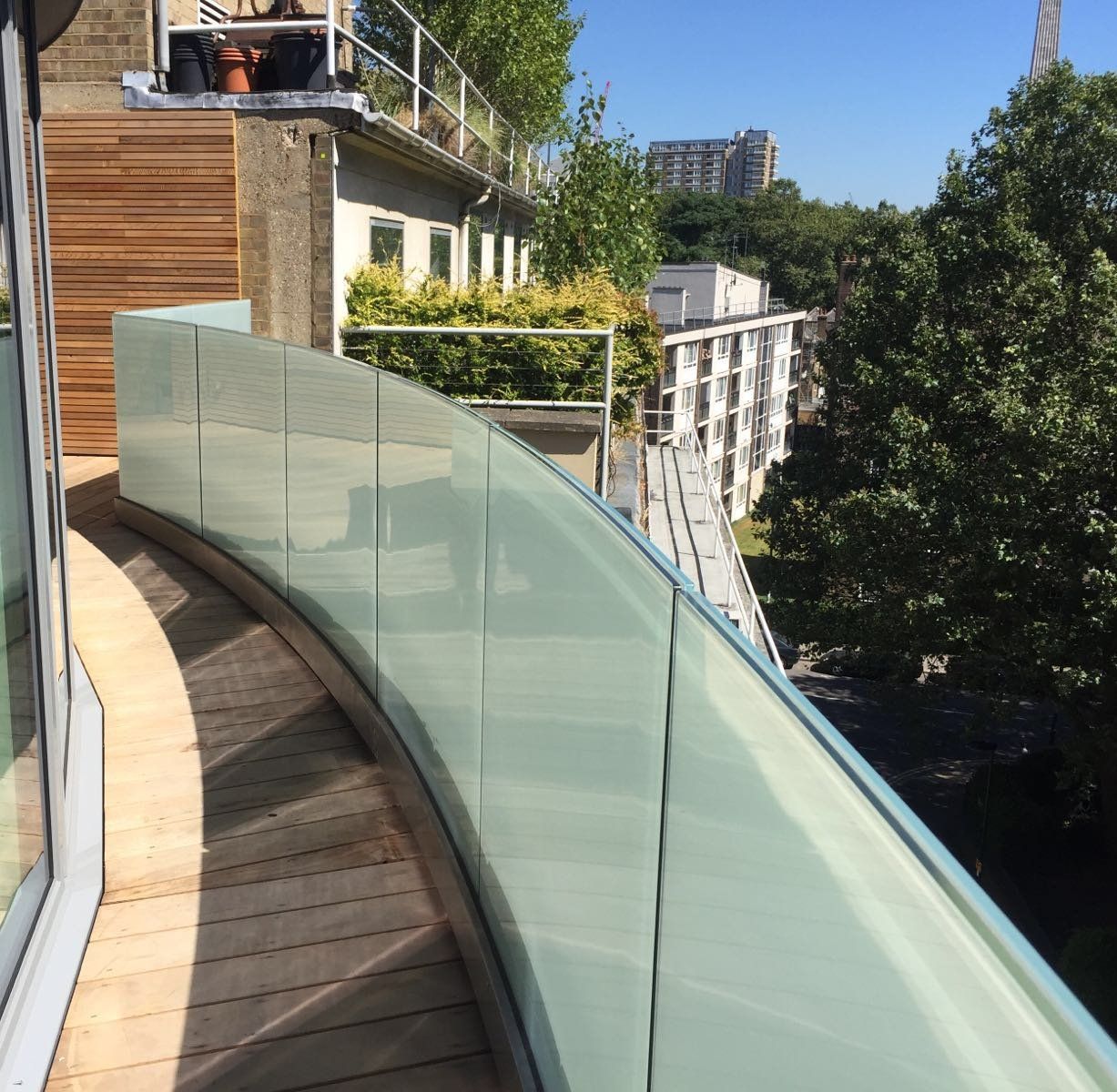
Architectural Curtain Walls and Skylights: The cornerstone of structural safety (primarily using SGP interlayer).
Interior Partitions and Decorative Glass: Achieving artistic effects and high light transmittance (primarily using Clear EVA).
Smart Privacy Glass: Dynamic privacy protection for modern offices and homes (must use PDLC smart film).
Safety, Explosion-Proof, and Acoustic Glass Systems: Providing high-performance protection in scenarios such as banks, museums, and airports.
FAQ: Frequently Asked Questions about Interlayer
Q1: What is the difference between Clear EVA and PVB?
A: The main difference lies in water resistance. PVB is highly hygroscopic, and its edges are easily corroded by moisture. Clear EVA is a hydrophobic material with moisture resistance and weather resistance far exceeding PVB, making it the best choice for exposed edges or high-humidity environments. Furthermore, Clear EVA typically exhibits superior resistance to yellowing.
Q2: Is SGP interlayer more suitable for large-pane structural glass?
A: Absolutely. The high rigidity of SGP interlayer allows it to withstand greater loads and still provide sufficient structural support after glass breakage, making it the only choice for structural laminated glass such as large-span, large-area curtain walls, or glass walkways.
Q3: Can PDLC smart film be co-laminated with other interlayers?
A: Yes. PDLC smart film typically needs to be laminated with Clear EVA or special PVB films. Because PDLC films are heat-sensitive, Clear EVA combined with vacuum lamination is currently the most reliable and commonly used technical combination, ensuring that the dimming film's function is not compromised.
Q4: Which interlayer is best suited for humid environments?
A: Clear EVA. Due to its unique hydrophobic molecular structure, it effectively prevents moisture from penetrating into the adhesive layer, thus eliminating the common edge delamination problem in laminated glass in humid environments.
Conclusion: High-Performance Interlayers Lead the Future of Advanced Glass
Interlayers for laminated glass are not merely supporting elements; they are the soul that gives laminated glass its core value.
From the safety-ensuring SGP interlayer to the ultimate visual effect of Clear EVA, and the PDLC smart film leading smart buildings, technological innovation in interlayers is driving the entire advanced glass industry forward.
E&N is committed to creating world-leading interlayers for laminated glass solutions. Through continuous technological investment and a deep understanding of glass processing technology, E&N helps architects and manufacturers build a safer, smarter, and more beautiful transparent world.