
What Is the Difference Between PVB and EVA Interlayer?
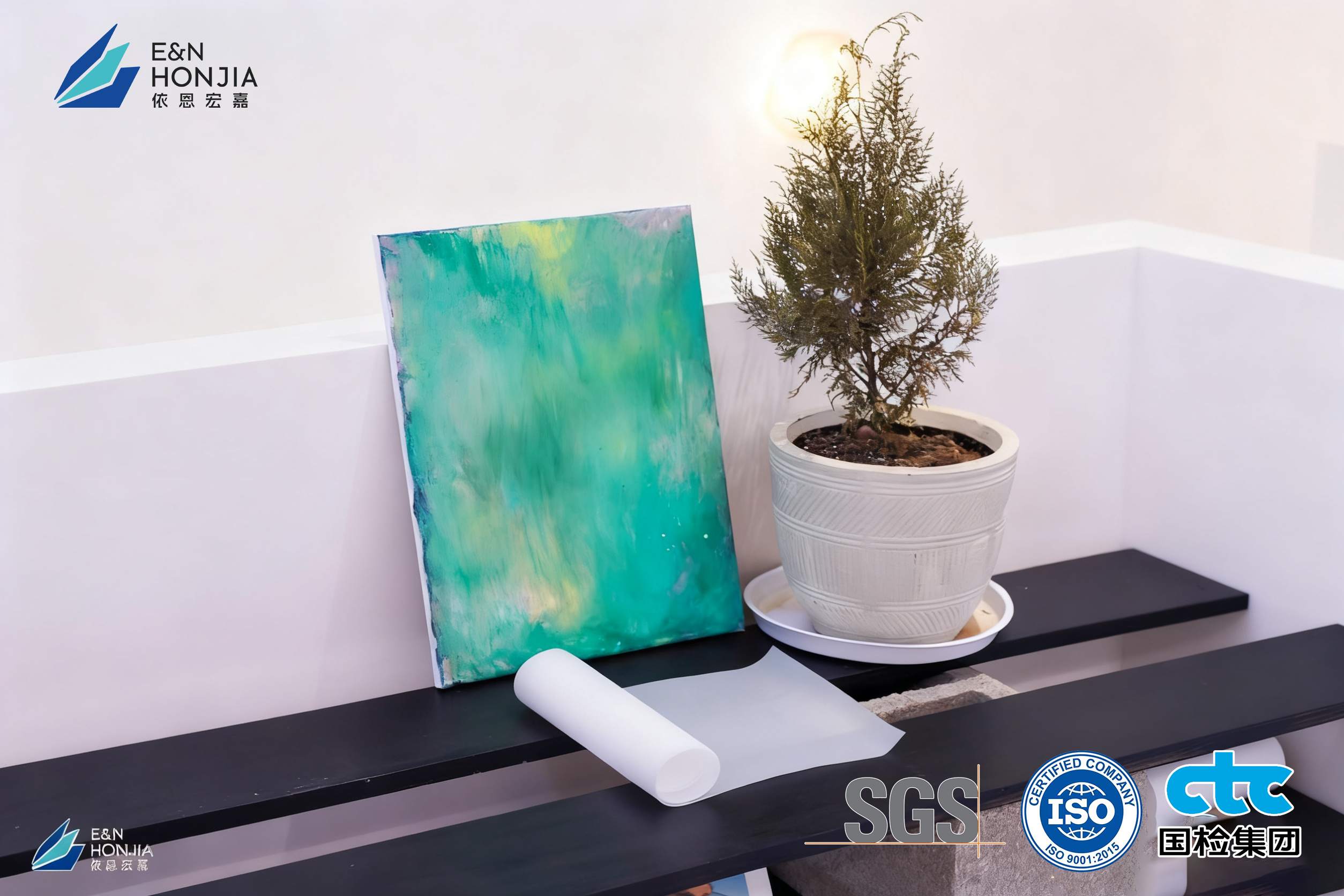
When choosing an interlayer for laminated glass, two materials are often compared: PVB interlayer and EVA interlayer. Both are used to bond glass layers together and improve safety, but they are not the same in material structure, lamination process, moisture resistance, edge stability, optical performance, application range, and total production cost.
For glass processors, façade contractors, decorative glass manufacturers, smart glass producers, and project buyers, the question is not simply “Which one is better, PVB or EVA?” The better question is: Which interlayer is more suitable for my glass application, production equipment, project environment, and long-term performance requirements?
In general, PVB interlayer is widely used in traditional architectural safety glass and automotive laminated glass, while EVA interlayer is often preferred for decorative laminated glass, smart glass, open-edge designs, high-humidity environments, embedded materials, and flexible vacuum lamination production.
What Is an Interlayer in Laminated Glass?
An interlayer is the bonding material placed between two or more sheets of glass during laminated glass production. After heat, pressure, or vacuum lamination, the interlayer bonds the glass layers together and forms a composite glass structure.
The interlayer plays several important roles:
- It keeps glass fragments bonded after breakage.
- It improves safety and reduces the risk of falling glass pieces.
- It can improve impact resistance, UV protection, acoustic comfort, and design flexibility.
- It affects edge stability, moisture resistance, optical clarity, and long-term durability.
- It determines which lamination process and equipment are required.
International laminated glass standards also treat interlayer performance seriously. ISO 12543-3 specifies performance requirements for laminated glass as defined in ISO 12543-1, while ISO 12543-4 covers durability test methods such as resistance to high temperature, humidity, and radiation. This means the choice of interlayer is not just a material decision. It is also a production, safety, durability, and application decision.
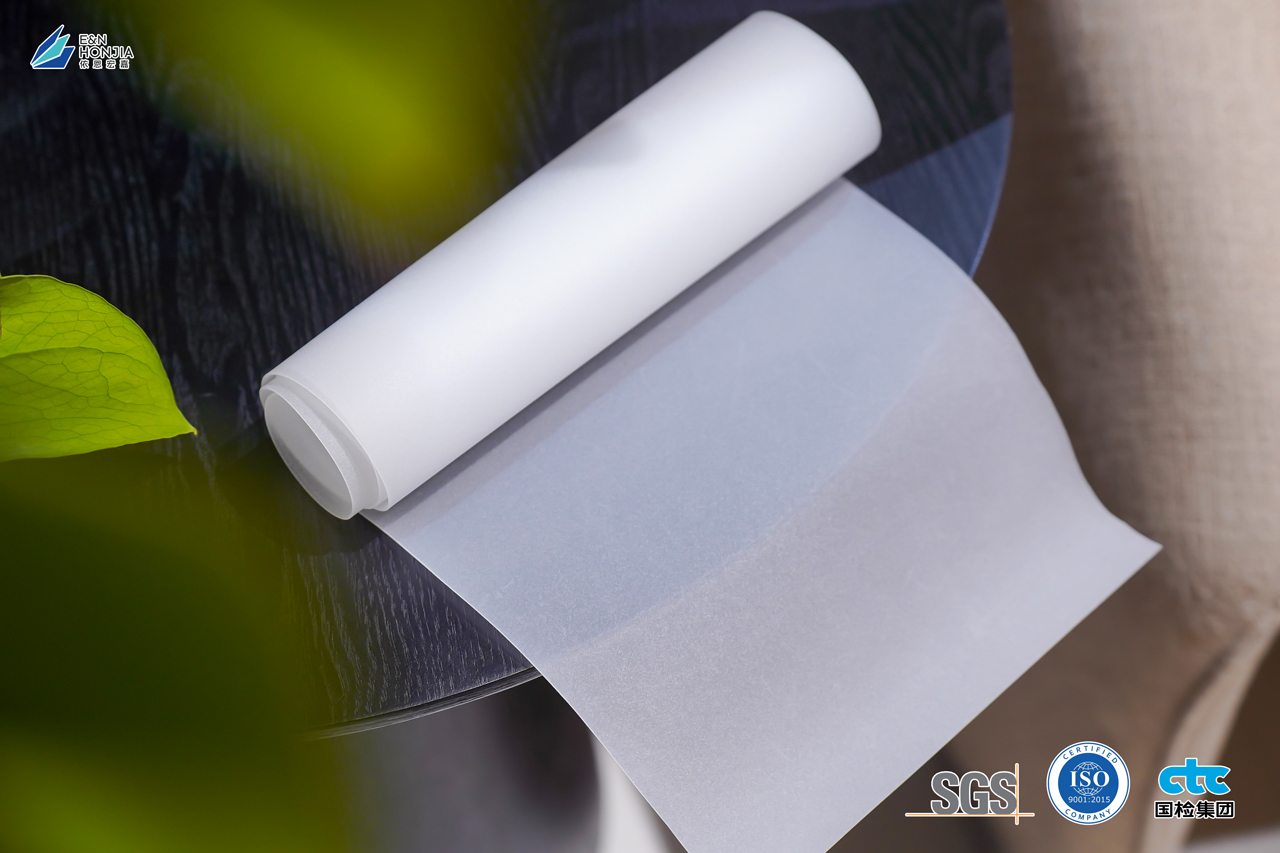
What Is EVA Interlayer?
EVA, or Ethylene Vinyl Acetate, is a high-performance interlayer material used in laminated glass manufacturing. Unlike ordinary glue, EVA interlayer is designed to melt, flow, bond, and cure during the lamination process. EVA as a thermosetting material that undergoes a cross-linking reaction during heating, forming a three-dimensional network structure after curing.
EVA interlayer is widely used in:
- Decorative laminated glass
- Interior partitions
- Shower enclosures
- Open-edge glass designs
- Smart switchable glass
- PDLC laminated glass
- Glass with fabric, metal mesh, PET film, paper, or other inserts
- Outdoor laminated glass with suitable EVA grades
- Solar and photovoltaic-related glass applications
- Customized laminated glass projects
E&N provides clear EVA interlayers for high-end laminated glass applications and highlights transparency, optical performance, adhesion, and safety features as important product benefits.
What Is PVB Interlayer?
PVB, or Polyvinyl Butyral, is one of the most established interlayer materials used in laminated safety glass. It has been widely used for many years in automotive windshields, architectural safety glazing, façades, windows, doors, acoustic glass, and other safety glass applications.
PVB is a thermoplastic interlayer. In typical industrial laminated glass production, PVB is processed through glass washing, assembly, pre-pressing or de-airing, and autoclave lamination. Under heat and pressure, PVB bonds with glass and creates a laminated glass structure.
Main Advantages of PVB Interlayer
- Mature market acceptance: PVB has a long history in architectural and automotive laminated glass.
- Good safety performance: It provides strong glass fragment retention and impact absorption when properly processed.
- Good optical quality: High-quality PVB can provide clear appearance and stable optical performance.
- Good acoustic options: Acoustic PVB products are widely used in sound-reducing laminated glass.
- Strong specification recognition: Many traditional projects and safety glazing specifications are familiar with PVB.
PVB vs EVA Interlayer: Quick Comparison Table
| Comparison Item | PVB Interlayer | EVA Interlayer |
|---|---|---|
| Full Name | Polyvinyl Butyral | Ethylene Vinyl Acetate |
| Material Type | Thermoplastic | Thermosetting / cross-linking after lamination |
| Common Process | Pre-pressing + autoclave lamination | Vacuum bag / vacuum oven / lamination furnace |
| Moisture Resistance | More moisture-sensitive | Better moisture resistance, especially at open edges |
| Edge Stability | Requires good edge protection | More suitable for exposed-edge designs |
| Insert Compatibility | Limited for some decorative inserts | Excellent for fabrics, metal mesh, PET, PDLC, printed films |
| Typical Applications | Automotive, architectural safety glass, acoustic glass | Decorative glass, smart glass, open-edge glass, humid areas |
| Equipment Investment | Usually higher due to autoclave systems | More flexible, often lower equipment barrier |
| Processing Flexibility | More standardized but less flexible | Suitable for customized production |
| Buying Focus | Safety certification, optical quality, acoustic grade | Cross-linking rate, haze, yellowing, adhesion, flow, durability |
1. Material Difference: PVB Is Thermoplastic, EVA Is More Flexible in Processing
PVB is a thermoplastic interlayer. During lamination, it softens under heat and pressure and bonds the glass layers together. It performs well when processed under controlled conditions, especially in autoclave production.
EVA interlayer melts and flows during heating, then bonds the glass layers after the curing process. This flow behavior allows EVA to fill small gaps around decorative inserts, textures, wires, fabrics, or films.
This is one reason EVA is often preferred for more creative laminated glass designs. When the glass structure is not simply “glass + interlayer + glass,” EVA gives manufacturers more processing flexibility.
Practical takeaway:
For standard glass-to-glass lamination, PVB is mature and reliable. For decorative or customized laminated glass, EVA is usually easier to work with.
2. Lamination Process: PVB Usually Needs Autoclave, EVA Can Use Vacuum Lamination
The production process is one of the biggest differences between PVB and EVA interlayer.
PVB Lamination
PVB laminated glass is commonly produced through:
- Glass washing
- PVB film conditioning
- Glass and PVB assembly
- De-airing or pre-pressing
- Autoclave lamination
- Cooling and inspection
This process is suitable for large-scale, standardized production. However, it normally requires higher equipment investment and strict control of temperature, pressure, humidity, and storage conditions.
EVA Lamination
EVA laminated glass is usually produced with:
- Glass cleaning
- EVA film cutting
- Glass, EVA, and insert assembly
- Vacuum bag or silicone bag sealing
- Vacuum heating and curing
- Cooling and inspection
This process is more flexible for small-batch, customized, decorative, and smart glass production.
Practical takeaway:
If a factory already has a mature autoclave line, PVB can be efficient for standard laminated glass. If the factory produces decorative glass, smart glass, or customized glass without autoclave equipment, EVA is often the more practical choice.
3. Moisture Resistance: EVA Has an Advantage in Humid Conditions
Moisture resistance is one of the most important reasons buyers compare PVB and EVA.
PVB is more sensitive to humidity. If the glass edge is exposed to water, moisture, or poor sealing conditions for a long time, the laminated glass may have a higher risk of edge whitening, bubbling, or delamination.
EVA generally performs better in humid environments. This makes it suitable for:
- Shower enclosures
- Bathroom partitions
- Frameless glass panels
- Open-edge laminated glass
- Interior glass near water
- Humid climate projects
- Decorative glass exposed to cleaning or moisture
This does not mean EVA can be used carelessly in every outdoor or wet application. The correct EVA grade, glass structure, and lamination process still matter.
Practical takeaway:
For humid environments or exposed-edge designs, EVA interlayer is usually a better option than PVB.
4. Edge Stability: EVA Is More Suitable for Open-Edge Glass
Many modern glass designs use exposed edges. Examples include frameless partitions, glass railings, shower doors, and decorative panels.
Open edges look clean and modern, but they also expose the interlayer to moisture, air, cleaning agents, and temperature changes.
PVB laminated glass usually needs better edge protection. If the edge is not well sealed or framed, long-term moisture exposure may affect the interlayer.
EVA interlayer has better edge stability after proper lamination, which makes it more suitable for open-edge glass designs.
Practical takeaway:
If the laminated glass edge will remain visible or exposed, EVA is often the safer and more practical choice.
5. Acoustic Performance: PVB Is More Established for Sound Control
For acoustic laminated glass, PVB has a mature market position. Special acoustic PVB products are widely used in hotels, airports, schools, offices, hospitals, and residential buildings near roads or railways.
EVA laminated glass can also improve sound performance compared with single glass, but its acoustic result depends on the whole glass structure and EVA formulation.
For strict sound control projects, buyers should ask for acoustic test data, such as STC or Rw values.
Practical takeaway:
For professional acoustic glazing, acoustic PVB is usually the first option. For decorative or smart glass projects that also need basic sound reduction, EVA may still be suitable.
How to Choose a High-Quality EVA Interlayer
Choosing a high-quality EVA interlayer is not only about comparing prices. A good EVA film should help glass processors achieve stable lamination quality, clear appearance, strong adhesion, good durability, and fewer production defects. Before purchasing EVA interlayer for laminated glass, buyers should evaluate the material from several practical points.
1. Check the Optical Clarity
Optical clarity is one of the first things buyers should check when selecting EVA interlayer. A high-quality EVA film should keep laminated glass clear, transparent, and visually clean after lamination. For projects such as office partitions, hotel glass, retail display glass, shower glass, and decorative laminated glass, low haze and high light transmittance are especially important. If the EVA film looks cloudy, has uneven transparency, or causes haze after lamination, it may affect the final appearance of the glass and reduce project value.
2. Pay Attention to Yellowing Resistance
Yellowing resistance is a key factor, especially for clear glass, ultra-clear glass, white decorative inserts, and outdoor laminated glass. Low-quality EVA may turn yellow after long-term heat, UV exposure, or improper processing. A reliable EVA interlayer should have stable anti-yellowing performance and suitable aging resistance for its intended application. For outdoor projects, buyers should not use ordinary indoor EVA; they should choose outdoor-grade EVA with better UV resistance and weathering performance.
3. Confirm the Adhesion Strength
The main function of EVA interlayer is to bond glass layers together and keep glass fragments attached after breakage. Therefore, adhesion strength is directly related to laminated glass safety and durability. A good EVA interlayer should provide strong and stable adhesion to glass after proper lamination. If adhesion is weak, the finished glass may have delamination, edge separation, or poor post-breakage performance. Buyers should ask the supplier for adhesion test data or sample testing before mass production.
4. Choose the Right EVA Grade for the Application
Different laminated glass applications require different EVA grades. Indoor decorative glass, outdoor glass, shower glass, PDLC smart glass, fabric laminated glass, and metal mesh laminated glass may all need different EVA formulations. For example, decorative glass with fabric or mesh usually needs EVA with good flowability, while open-edge or outdoor glass may need EVA with better weather resistance and edge stability. Buyers should not use one EVA grade for every project. The correct choice should be based on the final glass application.
5. Evaluate Moisture Resistance
Moisture resistance is one of the major advantages of EVA interlayer, but performance still depends on film quality and correct processing. For shower rooms, bathroom partitions, frameless glass, open-edge glass, and humid climate projects, buyers should choose EVA with strong resistance to moisture-related problems such as edge whitening, bubbling, and delamination. If the laminated glass will be exposed to water or high humidity, moisture resistance should be one of the most important selection criteria.
6. Check Compatibility with Inserts
Many EVA laminated glass projects involve decorative or functional inserts, such as fabric, silk, metal mesh, printed PET film, color film, paper, natural materials, or PDLC smart film. A high-quality EVA interlayer should be compatible with these materials and able to flow properly around them during lamination. Good compatibility helps reduce bubbles, improve bonding, and keep the insert position stable. Before mass production, buyers should always test the EVA with the actual insert material.
Why Choose E&N EVA Interlayer?
E&N Honjia provides a wide range of EVA interlayers for laminated glass applications, including clear EVA, ultra-clear EVA, indoor EVA, outdoor EVA, high-flow EVA, low-flow EVA, and safety EVA products. The company also offers SGP interlayers, PDLC smart films, laminated glass products, and glass lamination accessories such as vacuum silicone bags and high-temperature adhesive tapes.
For glass processors and project buyers, E&N can support different laminated glass applications, including:
- Decorative laminated glass
- Architectural laminated glass
- Interior partitions
- Shower enclosures
- Smart switchable glass
- Outdoor laminated glass
- Glass railings and balustrades
- Sunrooms and skylights
- Customized laminated glass projects
E&N Honjia focuses not only on film supply but also on lamination solutions. This is important because laminated glass quality depends on both the interlayer and the processing method.
Conclusion
PVB and EVA interlayers serve different laminated glass needs. PVB is widely used for architectural safety glass, automotive glass, and acoustic glazing, especially where autoclave production and standard specifications are required. EVA offers stronger moisture resistance, better edge stability, and greater flexibility for decorative glass, smart glass, open-edge designs, inserts, and vacuum lamination. The right choice depends on application, environment, equipment, durability requirements, and total production cost.
FAQ
Q1. Is EVA better than PVB for humid environments?
A: Yes. EVA generally has better moisture resistance, making it more suitable for shower glass, bathroom partitions, humid climates, and exposed-edge laminated glass.
Q2. Which interlayer is better for decorative laminated glass with fabric or metal mesh?
A: EVA is usually preferred because it flows better during lamination and can bond more effectively around inserts such as fabric, mesh, PET film, paper, or decorative materials.
Q3. Do I need an autoclave to produce EVA laminated glass?
A: Usually no. EVA can be processed with vacuum bags, silicone bags, vacuum ovens, or lamination furnaces, making it more flexible for small-batch and customized production.
Q4. Which interlayer is better for soundproof laminated glass?
A: Acoustic PVB is more established for professional sound control projects. For strict acoustic requirements, buyers should request STC or Rw test data.
Q5. Why does laminated glass turn white or delaminate at the edges?
A: Common causes include moisture exposure, poor edge sealing, unsuitable interlayer grade, incorrect lamination temperature, weak adhesion, or improper processing.
Q6. How should buyers choose a high-quality EVA interlayer?
A: Buyers should check optical clarity, yellowing resistance, adhesion strength, moisture resistance, insert compatibility, flow performance, and whether the EVA grade matches indoor, outdoor, smart glass, or decorative applications.