
Top Benefits of EVA Laminated Glass for Modern Architecture
Glass has become one of the most important materials in modern architecture. From transparent facades and skylights to glass railings, office partitions, hotel interiors, and decorative wall panels, architects and designers rely on glass to create bright, open, and visually impressive spaces.
However, modern buildings require much more than transparency. Today's architectural glass must provide safety, design flexibility, durability, UV protection, acoustic comfort, privacy, and long-term value. This is where EVA laminated glass becomes an attractive solution for many architectural projects.
Whether you are an architect, contractor, developer, glass distributor, or project buyer, understanding the benefits of EVA laminated glass can help you choose the right glass structure for your application, budget, and performance requirements.
What Is EVA Interlayer Film?
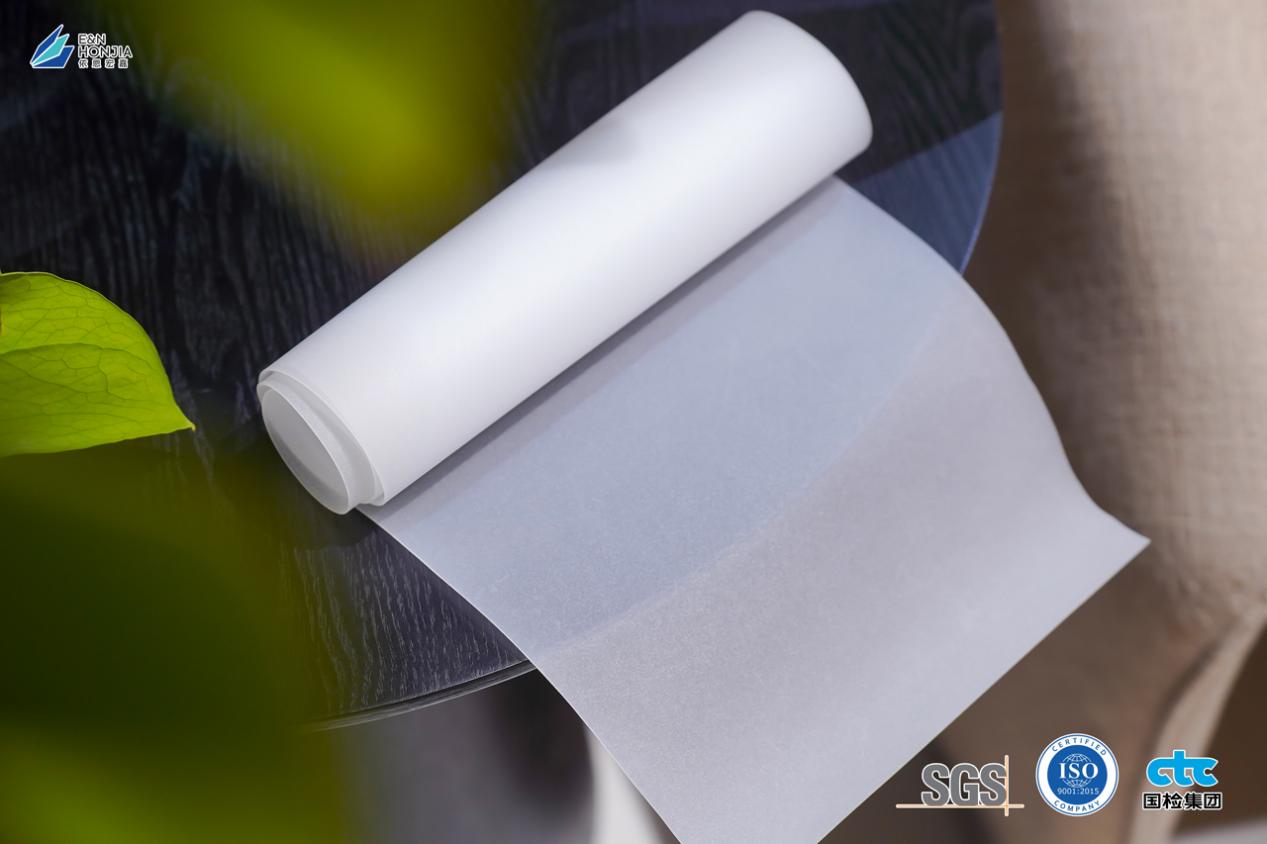
The EVA interlayer is the key material inside EVA laminated glass. It is a thermoplastic polymer film used to bond glass layers together during the lamination process. EVA stands for Ethylene Vinyl Acetate, a polymer material used as the adhesive interlayer between glass panels. During production, the glass and EVA film are assembled, vacuumed, heated, and laminated to create a strong composite panel.
High-quality EVA film should provide:
- Strong adhesion to glass
- Good optical clarity
- Stable bonding performance
- Resistance to moisture
- UV resistance
- Good compatibility with decorative materials
- Long-term visual stability
- Low bubble and delamination risk when properly processed
For architectural projects, the quality of the EVA interlayer directly affects the final glass performance. Poor-quality EVA film or incorrect lamination conditions may lead to bubbles, haze, weak bonding, edge defects, or delamination over time. That is why EVA laminated glass quality depends not only on the glass itself, but also on the EVA film grade and the manufacturer's production control.
Why Modern Architecture Uses Laminated Glass
Ordinary glass can break into sharp fragments when impacted. In many architectural applications, this creates safety risks, especially in overhead glazing, balconies, railings, public buildings, and high-traffic areas.
Laminated glass is designed to reduce this risk. When broken, the interlayer helps keep glass fragments attached, reducing the chance of falling pieces and sharp debris.
This makes laminated glass suitable for applications such as:
- Glass railings and balustrades
- Skylights and canopies
- Curtain walls and façades
- Glass doors and partitions
- Shopping malls and hotels
- Schools, hospitals, and public buildings
- Decorative interior glass
- Staircases and floor glass systems
EVA laminated glass offers these laminated glass benefits while also providing strong design flexibility, especially for decorative and customized architectural projects.
Top Benefits of EVA Laminated Glass for Modern Architecture
1. Enhanced Safety After Breakage
One of the biggest benefits of EVA laminated glass is its improved safety performance compared with ordinary glass.
When EVA laminated glass breaks, the glass fragments tend to remain bonded to the EVA interlayer instead of falling apart immediately. This helps reduce the risk of injury and falling glass.
| Application | Why Safety Matters |
|---|---|
| Glass railings | Prevents broken glass from falling from height |
| Skylights | Reduces risk from overhead glass breakage |
| Canopies | Helps protect people walking underneath |
| Glass doors | Reduces injury risk in high-traffic areas |
| Public buildings | Improves safety in schools, hospitals, malls, and hotels |
| Staircases | Helps maintain integrity after impact |
Safety performance depends on the glass thickness, EVA interlayer thickness, glass type, panel size, installation method, and local building regulations. For structural or high-risk applications, always ask for test reports and consult engineers or local code requirements.
2. Excellent Design Flexibility
Modern architecture is not only about performance. It is also about visual identity. EVA laminated glass is popular because it allows architects and designers to create customized glass with colors, textures, patterns, and decorative materials inside the glass layers.
This makes EVA laminated glass especially useful for projects where glass must be both functional and decorative.
Popular Decorative Options
| Decorative Option | Visual Effect | Suitable Projects |
|---|---|---|
| Colored EVA film | Transparent or translucent color | Façades, partitions, feature walls |
| Fabric insert | Soft texture and privacy | Hotels, offices, luxury interiors |
| Metal mesh insert | Modern industrial appearance | Railings, screens, façades |
| Printed film | Logos, patterns, graphics | Retail stores, brand spaces |
| Rice paper or art paper | Natural artistic texture | Restaurants, cultural spaces |
| Frosted film | Privacy and soft light | Bathrooms, meeting rooms |
| Gradient color film | Modern design effect | Commercial interiors |
This design flexibility allows EVA laminated glass to serve as more than a building material. It becomes a design element. For architects, EVA laminated glass can help create:
- More expressive façades
- Branded commercial interiors
- Privacy without blocking natural light
- Unique hotel and office spaces
- Decorative partitions with texture and depth
- Customized glass panels for luxury projects
3. Better Moisture Resistance for Many Exposed-Edge Applications
In many building projects, the edges of laminated glass may be exposed to moisture, temperature changes, or outdoor conditions.
Examples include:
- Glass railings
- Outdoor partitions
- Canopies
- Balustrades
- Decorative exterior glass
- Semi-open architectural spaces
EVA interlayers are often selected for projects where moisture resistance and edge stability are important. This is one reason EVA laminated glass is commonly used in decorative and exposed-edge glass applications.
That said, outdoor performance still depends on the complete system:
- Glass quality
- EVA film quality
- Lamination process
- Edge finishing
- Sealant compatibility
- Installation design
- Drainage condition
- Long-term exposure environment
For exterior projects, buyers should always request aging test information, sample testing, and project references before confirming bulk production.
4. UV Protection for Interior Spaces
Sunlight brings natural brightness into buildings, but ultraviolet radiation can gradually damage interior materials.
UV exposure may contribute to fading or aging of:
- Furniture
- Wooden floors
- Curtains
- Carpets
- Paintings
- Retail displays
- Museum exhibits
- Decorative surfaces
EVA laminated glass can help reduce UV transmission and protect interior spaces. This makes it valuable for buildings where daylight is desired but long-term interior protection is also important.
Common projects include:
- Residential windows
- Hotel lobbies
- Museums and galleries
- Retail stores
- Office buildings
- Showrooms
- Commercial façades
For projects with strict UV protection requirements, buyers should ask the supplier for technical data such as UV transmission values and light transmission performance.
5. Improved Acoustic Comfort
Noise control is becoming increasingly important in modern architecture. Buildings located near roads, airports, railways, schools, commercial centers, or busy city areas often require better acoustic performance.
Laminated glass can help improve sound control because the interlayer between the glass sheets helps reduce vibration and sound transmission.
EVA laminated glass can be used as part of an acoustic glazing solution for:
- Hotels
- Apartments
- Office buildings
- Meeting rooms
- Schools
- Hospitals
- Commercial spaces
- Urban residential projects
However, sound insulation depends on the whole glass system, not only the EVA interlayer.
Important factors include:
- Glass thickness
- Difference between glass pane thicknesses
- EVA interlayer thickness
- Air gap if used in insulated glass units
- Frame system
- Sealing quality
- Installation method
For acoustic projects, ask for STC, Rw, or other acoustic performance data based on the required market or standard.
6. Strong Aesthetic Value for Façades and Interiors
EVA laminated glass supports many visual effects that are difficult to achieve with ordinary monolithic glass. It can be clear, colored, translucent, textured, patterned, or combined with decorative materials. This makes it highly suitable for both exterior and interior architectural design.
Exterior Applications
- Curtain walls
- Balcony glass
- Canopies
- Building entrances
- Decorative façades
- Outdoor glass screens
Interior Applications
- Office partitions
- Hotel decorative walls
- Restaurant screens
- Retail display walls
- Elevator glass
- Staircase panels
- Bathroom partitions
- Feature walls
EVA laminated glass can balance openness and privacy. For example, a frosted or fabric laminated panel can allow light to pass through while limiting direct visibility. This is especially useful for modern offices, hotels, healthcare buildings, and high-end residential interiors.
7. Long-Term Durability When Properly Manufactured
The durability of EVA laminated glass depends not only on the EVA film itself but also on the manufacturing process. A high-quality EVA laminated glass panel requires controlled production from material selection to final packaging.
| Factor | Why It Matters |
|---|---|
| Glass cleaning | Prevents dust, stains, and bubbles |
| EVA film quality | Affects adhesion, clarity, and aging resistance |
| Vacuum process | Helps remove air before lamination |
| Heating curve | Ensures proper melting and bonding |
| Curing time | Influences final strength and stability |
| Edge finishing | Reduces edge defects and installation risk |
| Quality inspection | Identifies bubbles, delamination, scratches, and color issues |
| Packaging | Protects glass during transport |
For buyers, this means that choosing a reliable manufacturer is just as important as choosing the right glass specification. Low-cost laminated glass may look acceptable at first, but poor lamination quality can lead to bubbles, delamination, edge defects, or color changes over time.
EVA vs PVB vs SGP Laminated Glass
When choosing laminated glass, buyers often compare EVA, PVB, and SGP interlayers. Each interlayer has its own advantages. The best choice depends on application, performance requirement, climate, budget, and local regulations.
| Feature | EVA | PVB | SGP / Ionoplast |
|---|---|---|---|
| Decorative flexibility | Excellent | Good | Limited |
| Moisture resistance | Strong in many applications | More sensitive to moisture | Strong |
| Structural stiffness | Medium | Medium | High |
| Common use | Decorative glass, railings, partitions, canopies | Windows, façades, general safety glass | Structural glass, high-load applications |
| Cost level | Often competitive | Common and mature | Usually higher |
| Processing method | Often vacuum lamination | Often autoclave lamination | Specialized lamination |
| Best for | Custom decorative and architectural glass | General laminated safety glass | High-performance structural projects |
How to Choose the Right EVA Laminated Glass
Choosing EVA laminated glass becomes much easier when you match the glass structure with the actual application. Instead of only comparing price or thickness, you should consider where the glass will be installed, how much safety is required, and what visual effect you want to achieve.
1. Start with the Installation Environment
For normal indoor decoration, standard EVA laminated glass is usually suitable. It works well for partitions, doors, furniture, cabinets, and decorative wall panels.
For bathrooms, shower rooms, kitchens, or other humid environments, choose EVA film with stronger moisture resistance and stable edge bonding. This helps reduce problems such as whitening, bubbles, or delamination.
For balconies, windows, façades, or areas exposed to sunlight, UV resistance is important. A higher-grade EVA film can help maintain transparency and reduce yellowing over time.
2. Choose the Right Glass Thickness
Glass thickness should match the panel size, installation method, and safety level.
For small decorative glass panels, 3mm + 3mm or 4mm + 4mm may be enough. For interior doors, partitions, and larger panels, 5mm + 5mm or 6mm + 6mm is more commonly used. For railings, floors, stair glass, or public-space projects, thicker tempered laminated glass should be selected according to engineering requirements.
A thicker structure usually provides better impact resistance and stability, but it also increases weight and cost. The best choice is not always the thickest one, but the structure that fits the actual use.
3. Choose the Right EVA Film
The EVA interlayer directly affects the final glass quality. When comparing EVA laminated glass, pay attention to these points:
- Transparency: important for clear glass and display applications.
- Low haze: helps the glass look cleaner and brighter.
- Adhesion strength: reduces the risk of bubbles and delamination.
- Moisture resistance: important for bathrooms, kitchens, and humid climates.
- UV resistance: important for windows, balconies, and sunlight-exposed areas.
- Flowability: important when laminating fabric, mesh, paper, PET film, or printed materials.
For decorative laminated glass, EVA film quality is especially important because inserted materials can easily cause bubbles or uneven bonding if the film does not flow and bond properly.
4. Confirm the Required Safety Level
Safety is one of the main reasons for choosing laminated glass. When broken, EVA laminated glass can help hold glass fragments together and reduce the risk of injury.
For common decorative applications, annealed laminated glass may be acceptable. However, for doors, railings, overhead glass, public buildings, and high-impact areas, tempered laminated glass is usually recommended.
Before ordering, confirm whether the glass needs to meet any local building codes, safety standards, or project specifications. This is especially important for commercial buildings, hotels, schools, shopping malls, and public areas.
5. Match the Decorative Effect with the Project Design
EVA laminated glass is widely used because it supports many decorative effects. It can be made with clear, frosted, colored, patterned, printed, or embedded materials.
Before production, it is better to confirm these details:
- required transparency or privacy level
- glass color and EVA film color
- pattern, print, or inserted material
- edge treatment and exposed edge appearance
- whether samples are needed before mass production
For decorative glass, small differences in color, material thickness, or lamination temperature may affect the final appearance. Sample confirmation is recommended for customized designs.
6. Check Processing Quality, Not Just Material
Good EVA laminated glass depends not only on the EVA film, but also on the production process. Vacuuming, heating temperature, curing time, glass cleaning, material placement, and edge sealing all affect the final quality.
Poor processing may lead to common problems such as bubbles, haze, uneven bonding, yellowing, edge delamination, or visible dust inside the glass. A reliable manufacturer should have stable lamination equipment, clean production conditions, and experience with both clear and decorative laminated glass.
7. Work with a Supplier Who Can Recommend the Right Structure
A professional EVA laminated glass supplier should not simply offer one standard product. They should be able to recommend the right glass thickness, EVA film type, laminated structure, and processing method based on your project.
Before purchasing, provide the supplier with basic information such as glass size, application, indoor or outdoor use, safety requirements, decorative materials, and installation position. This helps avoid over-specification, unnecessary cost, or unsuitable glass performance.
Installation and Maintenance Tips
Proper installation is essential for long-term performance.
Installation Tips
- Avoid direct hard contact between glass and metal
- Use compatible gaskets, setting blocks, and sealants
- Prevent long-term water accumulation at glass edges
- Follow structural design requirements for railings and canopies
- Protect glass edges during transportation and installation
- Avoid excessive pressure from frames or hardware
- Check local building codes before installation
Maintenance Tips
- Clean with neutral glass cleaner
- Avoid strong acid or alkaline chemicals
- Do not use sharp tools on glass surfaces
- Inspect exposed edges regularly
- Check sealant and hardware conditions
- Remove dirt, salt, or pollution deposits from outdoor glass
- Contact the supplier if bubbles, edge whitening, or delamination appear
Good maintenance helps extend the service life and appearance of EVA laminated glass.
Conclusion
EVA laminated glass is a versatile solution for modern architecture, offering safety, design flexibility, UV protection, moisture resistance, acoustic comfort, and strong decorative value. It is widely used in railings, skylights, canopies, partitions, façades, hotel interiors, and decorative wall panels.
To achieve the best performance, buyers should choose the right glass type, EVA interlayer, thickness, edge treatment, and installation method according to the actual application. For outdoor, overhead, railing, or public-space projects, safety standards and durability requirements should be carefully checked.
A reliable EVA laminated glass manufacturer can help recommend the proper structure, provide samples, control production quality, and reduce project risks from specification to delivery.
FAQ
Q1. What is EVA laminated glass used for?
A: EVA laminated glass is used in architectural and decorative applications where safety, appearance, and customization are important. Common uses include glass railings, skylights, canopies, office partitions, hotel interiors, decorative wall panels, glass doors, façades, stair glass, shower rooms, and retail display areas.
Q2. Is EVA laminated glass safe?
A: Yes, EVA laminated glass can improve safety compared with ordinary glass. When broken, the EVA interlayer helps keep glass fragments attached, reducing the risk of falling pieces and sharp debris.
However, safety depends on the complete glass structure, including glass thickness, glass type, EVA interlayer thickness, panel size, installation method, and local building requirements. For railings, skylights, canopies, doors, and public buildings, buyers should confirm whether safety testing or code compliance is required.
Q3. Can EVA laminated glass be used outdoors?
A: Yes, EVA laminated glass can be used in many outdoor applications, such as balconies, railings, façades, canopies, skylights, and exterior decorative glass. For outdoor use, the EVA film should have good UV resistance, moisture resistance, and long-term bonding stability.
Buyers should also pay attention to edge exposure, drainage design, sealant compatibility, glass thickness, and installation method. Outdoor performance depends on both material quality and proper installation.