
Is EVA Interlayer Good for Bathroom and Shower Laminated Glass?
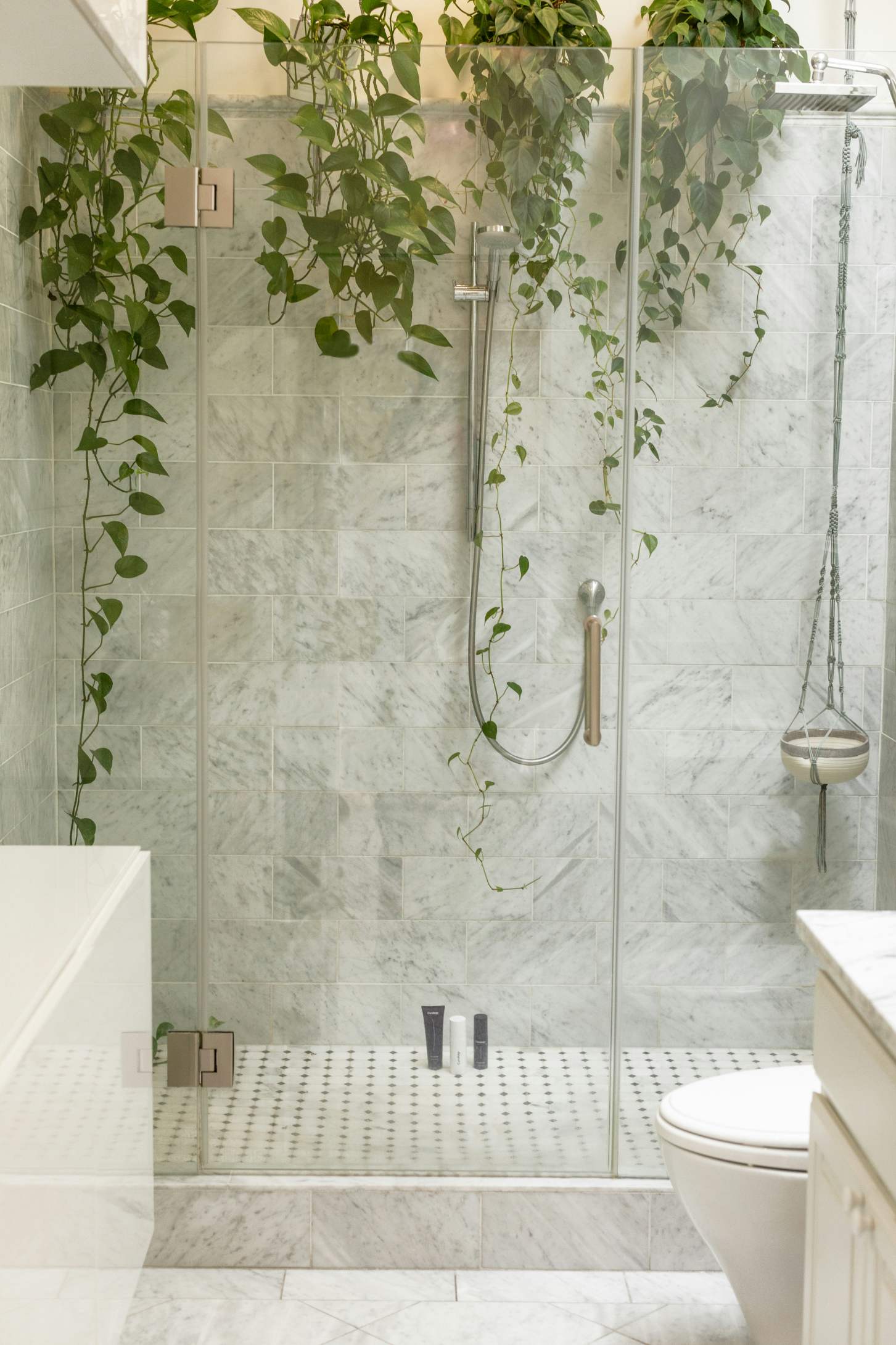
Choosing the right interlayer for bathroom and shower laminated glass is not only about safety. It is also about how the glass performs when exposed to steam, moisture, cleaning chemicals, exposed edges, and daily use. For buyers, the wrong interlayer can lead to edge whitening, bubbles, delamination, or unstable visual quality after installation.
EVA interlayer has become a practical option for shower doors, bathroom partitions, decorative glass, and smart privacy glass because of its moisture resistance, strong adhesion, clear appearance, and flexible processing. But not every EVA film performs the same. Before placing an order, buyers need to understand how EVA compares with PVB and SGP, what technical data should be checked, and how to choose a supplier who can support real glass production.
Why Bathroom and Shower Laminated Glass Needs Special Attention
Bathroom and shower laminated glass is exposed to steam, warm water, high humidity, cleaning chemicals, hardware pressure, and daily use. Compared with normal indoor laminated glass, it needs stronger moisture resistance, better edge stability, and more reliable long-term bonding.
| What buyers worry about |
|
What to check |
| Edge whitening | Moisture reaches the interlayer from exposed edges, drilled holes, hinges, clips, or bottom channels | EVA moisture resistance, edge finishing, sealant compatibility |
| Bubbles or haze | Poor glass cleaning, trapped moisture, insufficient vacuum, or wrong lamination temperature | Glass cleaning process, vacuum control, haze level, lamination parameters |
| Delamination | Weak adhesion, low-quality interlayer, incomplete cross-linking, or long-term water exposure | Adhesion strength, cross-linking rate, humidity test data |
| Yellowing | Low-grade interlayer, UV exposure, or poor heat resistance | UV aging data, yellowing resistance, heat resistance |
| Safety after breakage | Shower glass is installed close to people and may face accidental impact | Safety glazing compliance, laminated structure, post-breakage performance |
For bathroom and shower applications, the glass edge is usually the highest-risk area. Frameless shower doors, bathroom partitions, fixed shower screens, and panels with cut-outs or holes all create more paths for water and steam to reach the laminated edge. A suitable EVA interlayer can help improve moisture resistance and edge performance in wet environments, but it should be selected together with the full glass structure, not by price alone.
Is EVA Interlayer Good for Bathroom and Shower Laminated Glass?
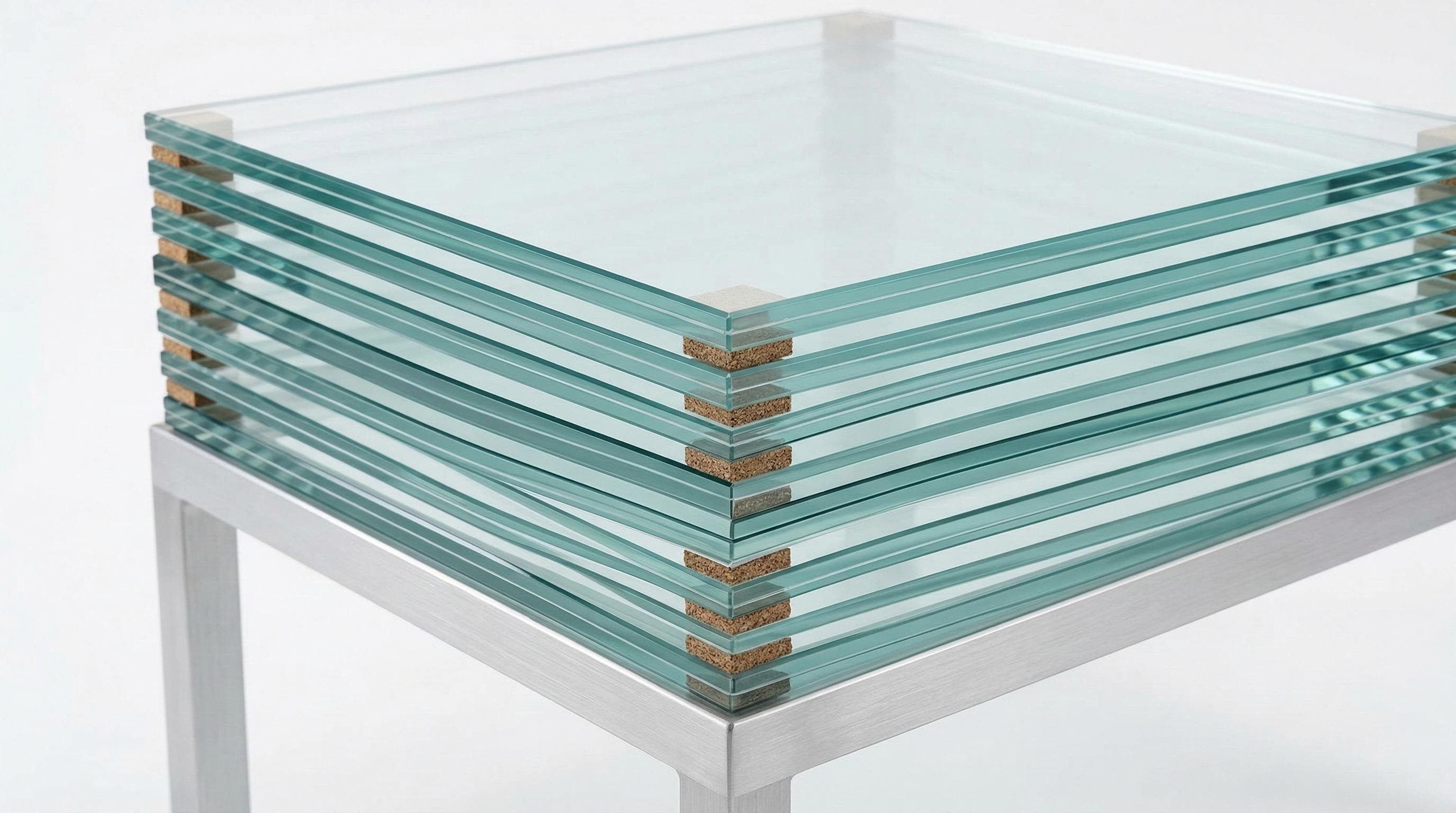
Yes. EVA interlayer is a practical choice for bathroom and shower laminated glass when moisture resistance, edge stability, clear appearance, and long-term bonding are important.
In shower areas, water and steam often reach the laminated glass edge through polished edges, drilled holes, hinges, clips, or bottom channels. If the interlayer is not suitable for humidity, the glass may develop edge whitening, bubbles, haze, or delamination over time.
EVA performs well in this application because it has strong moisture resistance and good adhesion to glass. It is especially suitable for frameless shower doors, bathroom partitions, fixed shower screens, decorative laminated glass, and smart privacy shower glass.
However, EVA should still be selected by application, not by name alone. The right choice depends on the EVA grade, glass structure, lamination process, edge treatment, sealant compatibility, and installation method.
Is EVA Interlayer Better Than PVB for Bathroom and Shower Glass?
In many humid bathroom and shower applications, EVA is often a more practical choice than PVB.
PVB is widely used in architectural and automotive laminated glass. It is mature, reliable, and cost-effective for many standard applications. But PVB is more sensitive to moisture, especially when the laminated glass edge is exposed or poorly sealed. Bathroom glass often has polished edges, drilled holes, cut-outs, clips, hinges, and frameless designs. These areas make edge stability more important.
EVA interlayer generally offers better moisture resistance and better edge stability than standard PVB. This makes it suitable for:
- Shower enclosures
- Bathroom partitions
- Frameless shower screens
- Decorative bathroom laminated glass
- Glass near water
- Humid climate projects
- Open-edge laminated glass
- Smart privacy shower glass
That does not mean PVB is “bad” or EVA is always the answer. It means EVA is often better aligned with the real working conditions of bathroom and shower glass.
EVA vs PVB vs SGP
| Feature |
|
PVB Interlayer | SGP / Ionoplast Interlayer |
| Moisture resistance | Excellent for humid and bathroom applications | More sensitive to humidity | Excellent |
| Edge stability | Strong advantage for exposed-edge glass | Needs better edge protection | Excellent |
| Structural stiffness | Medium | Medium to low | Very high |
| Post-breakage performance | Good | Good | Excellent |
| Optical clarity | High with quality clear EVA | Good | Excellent |
| Decorative compatibility | Excellent for fabric, mesh, PET, printed film, PDLC | Limited for many inserts | Less commonly used for decorative inserts |
| Processing method | Vacuum lamination, flexible production | Usually autoclave based | Usually autoclave-based |
| Cost level | Medium | Usually economical | High |
| Best use case | Shower glass, decorative glass, smart glass, humid environments | Standard framed safety glass | Structural glass, railings, skylights, floors |
The Real Cause of Delamination in Shower Laminated Glass
Many buyers ask:“Will EVA laminated shower glass delaminate?”
The honest answer is: it can, if the wrong material or wrong process is used. Delamination is rarely caused by one single factor. It is usually a system problem.
Common causes include:
- Low-quality EVA film
- Poor glass cleaning before lamination
- Moisture or dust on the glass surface
- Insufficient vacuum during lamination
- Wrong heating curve
- Incomplete cross-linking
- Poor edge finishing
- Incompatible sealants
- Long-term water retention at the edge
- Incorrect storage of EVA film before use
A good EVA interlayer can greatly reduce the risk, but it cannot compensate for careless processing.
This is an important point for buyers: Do not buy EVA interlayer only by price. Buy it by performance proof.
What EVA Interlayer Specifications Matter Most for Bathroom Glass?
When choosing EVA interlayer for bathroom and shower laminated glass, buyers should request more than thickness and price.
1. Thickness
Common EVA interlayer thickness options include:
- 0.38 mm
- 0.50 mm
- 0.76 mm
- 1.14 mm
- Customized structures depending on glass design
For bathroom and shower glass, the right thickness depends on glass size, safety requirements, hardware design, and whether the glass is clear, frosted, decorative, or smart switchable.
2. Light Transmittance
For clear shower glass, high light transmittance is important. Low-grade EVA may make the glass look slightly grey, cloudy, or dusty after lamination.
For premium bathroom glass, especially with low-iron glass, buyers should choose high-clarity EVA interlayer.
3. Haze
Low haze helps maintain a clean and transparent appearance. For high-end hotels, villas, apartments, and luxury bathroom partitions, haze control is especially important.
4. Cross-Linking Rate
Cross-linking is one of the most important quality indicators of EVA interlayer.
A higher and more stable cross-linking rate helps improve:
- Heat resistance
- Moisture resistance
- Long-term bonding stability
- Anti-yellowing performance
- Durability after lamination
For wet environments, buyers should ask the supplier whether the EVA grade is recommended for high-humidity or exposed-edge applications.
5. Adhesion Strength
Good adhesion keeps the glass and interlayer bonded together. This is important for both appearance and safety.
In bathroom laminated glass, adhesion should remain stable even after moisture exposure and temperature changes.
6. UV and Yellowing Resistance
Some bathrooms have direct sunlight exposure, especially in villas, resorts, spa rooms, outdoor shower areas, and glass partitions near windows.
If the glass will receive strong sunlight, buyers should ask for UV aging and yellowing resistance data.
7. Moisture and Humidity Resistance
This is the key point for bathroom and shower laminated glass.
Ask the supplier whether the EVA interlayer has been tested under humidity, wet-heat, or durability conditions. Do not rely only on the word “waterproof.”
8. Sealant Compatibility
Bathroom glass is often installed with silicone, gaskets, metal clips, or sealants. Some chemicals may affect the glass edge or interlayer over time.
Before bulk production, test the EVA laminated glass with the actual sealant and installation accessories.
Buyer Checklist: How to Select an EVA Interlayer Supplier
Before placing a bulk order, ask your EVA interlayer supplier these questions:
- Is this EVA grade recommended for bathroom and shower laminated glass?
- Can it be used for exposed-edge or frameless glass?
- What is the suggested lamination temperature and holding time?
- What is the recommended vacuum process?
- What is the cross-linking rate after lamination?
- What is the light transmittance and haze level?
- What is the adhesion strength to glass?
- Do you have humidity or wet-heat test data?
- Do you have UV aging or yellowing resistance data?
- Is it compatible with decorative films, PDLC film, fabric, or metal mesh?
- What storage conditions are required before lamination?
- Can you provide trial samples before bulk order?
- Can you help analyze bubbles, whitening, or delamination problems?
- Do you also supply laminated glass or only EVA film?
- Can you recommend different EVA grades for clear, decorative, outdoor, or smart glass applications?
A good supplier should not only sell film. A good supplier should help you reduce production risk.
Why Choose E&N EVA Interlayer for Bathroom and Shower Laminated Glass?
E&N Honjia provides EVA interlayer, SGP interlayer, PDLC smart film, lamination accessories, and finished laminated glass solutions. This gives buyers one practical advantage: the material is not developed in isolation.
Because E&N understands both interlayer film and laminated glass production, we can help buyers evaluate EVA interlayer from the full production chain:
- Material formulation
- Optical performance
- Cross-linking behavior
- Glass adhesion
- Lamination parameters
- Decorative insert compatibility
- Smart glass compatibility
- Moisture resistance
- Edge performance
- Final laminated glass quality
For bathroom and shower laminated glass projects, this full-chain experience matters. A film supplier who also understands glass lamination can help buyers avoid problems before mass production.
Whether you are producing frameless shower doors, bathroom partitions, decorative glass, hotel shower screens, or smart privacy shower glass, E&N can help recommend the right EVA interlayer grade based on your project requirements.
Conclusion
EVA interlayer is a strong choice for bathroom and shower laminated glass when moisture resistance, edge stability, clear appearance, and lasting adhesion matter. It helps reduce risks such as edge whitening, bubbles, haze, and delamination in wet areas, especially for frameless doors, partitions, decorative glass, and smart privacy glass. The best result depends on the right EVA grade, proper lamination, tested performance data, and a supplier who understands real glass production.
FAQ
Q1. Is EVA interlayer good for bathroom and shower laminated glass?
A: Yes. EVA interlayer is suitable for bathroom and shower laminated glass because it offers strong moisture resistance, good edge stability, clear appearance, and good adhesion after proper lamination.
Q2. Is EVA better than PVB for shower glass?
A: For humid environments and exposed-edge shower glass, EVA is often more practical than PVB because PVB is more sensitive to moisture. However, PVB can still be used in standard framed applications where moisture exposure is limited.
Q3. Can EVA laminated shower glass delaminate?
A: Yes, it can happen if low-quality EVA is used or if the lamination process is not controlled properly. Common causes include poor glass cleaning, insufficient vacuum, wrong heating curve, low cross-linking, or poor edge design.
Q4. What thickness of EVA interlayer is used for shower laminated glass?
A: Common EVA thicknesses include 0.38 mm, 0.50 mm, 0.76 mm, and thicker combinations depending on glass size, safety requirements, and project design.