Is EVA Better Than PVB for Glass Lamination in 2026?

As we enter 2026, performance requirements for laminated glass within the architecture and interior design markets are undergoing an unprecedented elevation. From ultra-clear interior partitions to sophisticated smart-dimming glass, traditional processing paradigms are facing significant challenges.
Within the glass deep-processing industry, different interlayer technology pathways exhibit distinct differences regarding yield rates, equipment costs, and the long-term stability of finished products. Many factory managers and project procurement specialists are constantly weighing a core question: Is EVA better than PVB for glass lamination in 2026?
To address this highly debated EVA vs. PVB dilemma, this article will adopt the latest technical perspectives of 2026 to provide a comprehensive, in-depth breakdown of the respective advantages and disadvantages of these two mainstream interlayer materials.
What Are EVA and PVB Interlayers?
Before comparing their performance, we must first clarify the fundamental physical and chemical nature of these two materials.
EVA (Ethylene Vinyl Acetate) is a thermoplastic-melt, thermosetting polymer material. During the glass lamination process, EVA melts upon heating and undergoes a chemical cross-linking reaction. Its most significant processing characteristic is that lamination can be completed in a vacuum heating furnace without the need for an autoclave (a "non-autoclave" process). Thanks to its excellent flow properties and extremely low processing barriers, it holds an absolutely dominant position in the markets for decorative glass and functional glass.
PVB Interlayers
PVB (Polyvinyl Butyral) is the oldest and most widely utilized traditional interlayer material for laminated glass. Classified as a thermoplastic material, its standard processing workflow is extremely rigorous, requiring reliance on expensive autoclaves to provide the necessary high-temperature and high-pressure environment. PVB possesses superior flexibility and impact-absorption capabilities, making it widely used in automotive windshields and safety glass for traditional architectural curtain walls. III. EVA vs. PVB: Core Performance Comparison (2026 Perspective)
To provide you with a clear, at-a-glance understanding of the fundamental differences between EVA and PVB, we have compiled the following comparison table:
Table 1: EVA vs. PVB Core Performance Comparison
| Feature Dimension | EVA Interlayer (Thermoset) | PVB Interlayer (Thermoplastic) |
| Lamination Process | Vacuum Oven (No Autoclave needed) | Autoclave strictly required |
| Moisture Absorption | Very Low (Hydrophobic) | High (Hygroscopic) |
| Optical Clarity | High transparency, extremely low haze | Stable, but slightly lower than premium EVA |
| Weatherability | Excellent (with advanced UV formulas) | Good, but prone to edge delamination if wet |
| Adhesion to Inserts | Excellent (Compatible with mesh, PDLC) | Poor (Requires specialized treatment) |
| Equipment Cost | Low Capital Expenditure (CAPEX) | High Capital Expenditure |
Advantages of EVA Interlayers in 2026
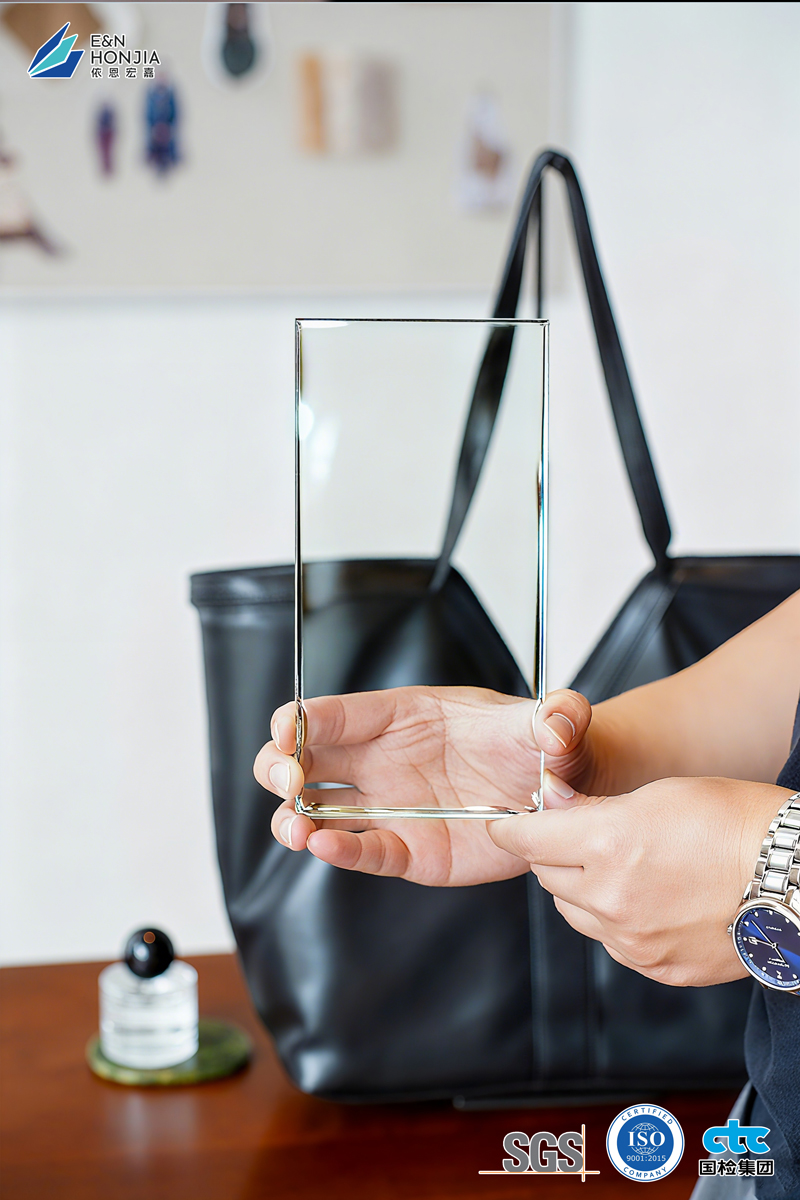
Best EVA Interlayers
Standing at the forefront of the industry in 2026, the application landscape for EVA interlayers is expanding rapidly—a growth driven primarily by four irreplaceable advantages.
More Flexible Glass Lamination Processes
For small to medium-sized glass processing plants, the substantial investment—often running into the millions—and the extremely high energy consumption associated with autoclaves represent a massive financial burden. In contrast, EVA interlayer film requires only a standard vacuum lamination furnace for processing. This production method—characterized by a low investment threshold and high operational flexibility—enables factories to effortlessly handle customized orders involving "small batches and high product variety."
Lower Moisture Absorption: Solving the Delamination Problem
This represents a key battleground where EVA decisively outperforms PVB. PVB is highly hygroscopic (water-absorbent); in humid environments—such as coastal buildings, bathrooms, or frameless balconies—it is highly prone to edge whitening and adhesive delamination. Conversely, cross-linked EVA possesses inherent hydrophobic properties; it remains largely unaffected by environmental humidity, significantly reduces the occurrence of bubbles during the lamination process, and substantially boosts both product yield and long-term service life.
Ideal for Decorative and Functional Glass
Due to its excellent flow characteristics at high temperatures (indicated by a low melt flow index), EVA can flow like water to fill even the most minute surface irregularities on glass. Furthermore, it can perfectly encapsulate various inclusions—such as silk fabrics, metal meshes, dried flowers, and even delicate electronic PDLC smart films. This capability to support complex designs is something that rigid PVB is simply unable to achieve.
Advanced Interlayer Technology
Early iterations of EVA were often criticized for their susceptibility to yellowing. However, thanks to the rapid advancements in modern interlayer technology for laminated glass, leading manufacturers have successfully overcome these formulation bottlenecks. As of 2026, high-end EVA products boast exceptional resistance to yellowing, superior weather resistance, and extended longevity—qualities that, in many outdoor applications, now even surpass those of traditional PVB.
Advantages of PVB Interlayers
Despite facing numerous challenges, PVB interlayers remain firmly established in specific sectors.
Mature Building Codes and Standards
With over half a century of application history, PVB has become deeply integrated into building safety codes and standards worldwide (such as Europe’s EN standards and the US’s ANSI and SGCC standards). In the tendering processes for many large-scale municipal projects, PVB remains the default specification on architectural blueprints.
Stable Structural Safety Performance
As a thermoplastic material, PVB acts like a powerful spring; when subjected to impact from heavy objects, it exhibits excellent energy absorption and ductile tensile properties. For traditional high-rise curtain wall projects—which must withstand long-term dynamic wind loads—PVB’s proven track record of long-term application ensures an extremely low risk profile.
Acoustic Performance Advantages
Due to the inherent damping characteristics of its polymer structure, PVB possesses a natural advantage in attenuating noise at specific frequencies (such as traffic noise). Specially formulated sound-insulating PVB plays an indispensable role in high-end office buildings and airport facilities.
EVA vs. PVB: How to Choose for Different Applications?
Discussing the merits or drawbacks of materials in isolation—without considering their specific application scenarios—is merely theoretical speculation. Based on engineering practices in 2026, we offer the following clear recommendations for material selection:
- Interior Decorative Glass and Bathroom Partitions
- Recommended Solution: EVA interlayer.
- Rationale: Offers ultra-high transparency; its edges are resistant to moisture ingress; and it bonds perfectly with a wide variety of decorative inserts.
Exterior Architectural Curtain Walls and Super-High-Rise Facades
Recommended Solution: PVB or SGP (for applications with extremely high structural requirements).
Rationale: Possesses a proven track record of withstanding dynamic wind loads over the long term and complies with the most stringent regulatory requirements for traditional architecture.
Photovoltaic Modules and Smart Functional Glass (PDLC)
Recommended Solution: EVA interlayer film.
Rationale: The low-temperature vacuum lamination process does not damage fragile photovoltaic cells or liquid crystal dimming films, while ensuring high long-term stability in outdoor environments.
New Production Lines for Small to Medium-Sized Glass Processing Plants
Recommended Solution: EVA production line.
Rationale: Significantly reduces initial equipment investment costs; involves a less complex processing workflow; and offers a rapid return on investment.
How to Choose a Reliable Glass Film Supplier?
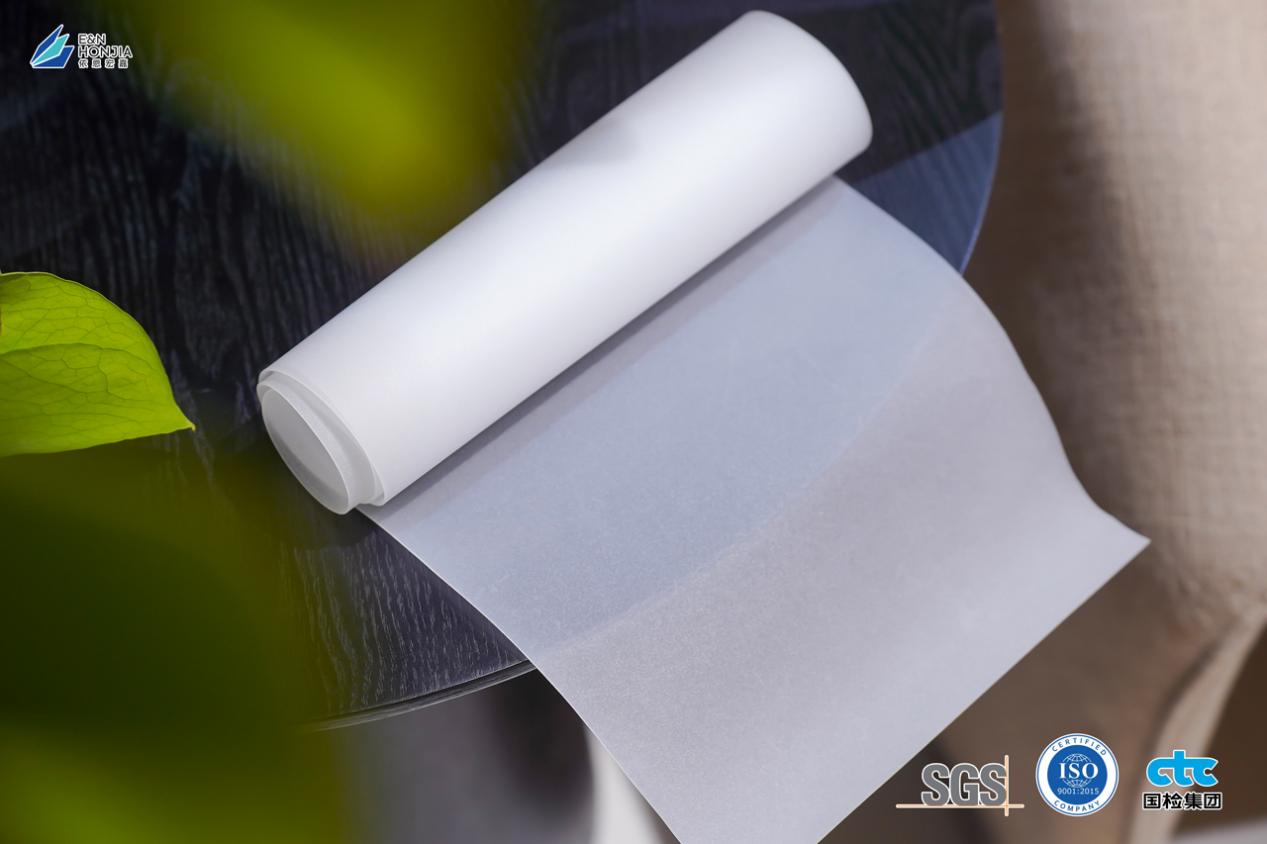
Once the specific material requirements have been defined, selecting the right supplier becomes an equally critical factor. Substandard EVA films can cause laminated glass to yellow severely within just six months.
Criteria for Identifying High-Quality Suppliers
You must verify whether the supplier is a genuine manufacturing facility—rather than merely a private-label trading company—and whether they possess mastery of core interlayer technologies for laminated glass. Furthermore, they should be able to provide authoritative aging test data and demonstrate extensive experience with international projects.
We have prepared a professional supplier evaluation checklist for your reference:
Table 2: Glass Film Supplier Evaluation Checklist
| Evaluation Criteria | Essential Requirement | Why It Matters for Your Business |
| Manufacturing Origin | True EVA interlayer film manufacturer | Ensures quality control from raw resin to final film roll. |
| Technology R&D | Advanced cross-linking formulation | Prevents long-term yellowing and edge delamination. |
| Technical Support | Provides specific lamination curves | Optimizes your oven settings to eliminate bubble defects. |
| Certifications | ISO, EN, or SGCC compliance | Guarantees the laminated glass meets safety standards. |
Recommended Top-Tier Suppliers
If you are seeking top-performing interlayer solutions, we highly recommend the specialized glass film supplier, E&N. As a seasoned manufacturer in the industry, E&N offers a Clear EVA Interlayer :
)that utilizes cutting-edge cross-linking and UV-resistant formulations. Not only does it achieve optical-grade clarity, but it also demonstrates exceptional performance in weathering tests conducted under extreme heat and humidity; it is an excellent choice for enhancing both the quality and profit margins of your laminated glass products.
2026 Industry Trends: Is EVA Replacing PVB?
Regarding the perennial debate between EVA and PVB, industry trends in 2026 provide a clear answer:
EVA is experiencing rapid market share growth within the decorative, smart glass, and small-to-medium-scale deep-processing sectors. However, thanks to established regulatory barriers and standards, PVB continues to dominate the traditional architectural safety and security sector.
High-performance EVA is gradually attempting to penetrate more stringent semi-structural applications, though this transition still requires the validation of time and real-world performance.
The concluding trend is unequivocal: EVA is not replacing PVB, but rather expanding into more diverse and high-value applications.
FAQ
Q1: Is EVA better than PVB for laminated glass?
This depends entirely on the specific application scenario. EVA outperforms PVB in terms of custom decorative options, smart glass integration, and moisture resistance, while also requiring lower processing equipment costs. Conversely, PVB performs better regarding safety compliance for traditional high-rise building curtain walls, as well as acoustic insulation.
Q2: What is the main difference between EVA and PVB?
The core differences lie in their material properties and processing methods. EVA is a thermosetting material with low hygroscopicity, processed using a vacuum furnace; PVB is a thermoplastic material that is highly sensitive to humidity and must be processed using an autoclave.
Q3: Does EVA last longer than PVB?
High-quality EVA offers a longer service life than PVB in terms of moisture resistance and resistance to edge delamination—particularly in applications involving frameless, exposed glass edges. However, this holds true only if a premium, UV-resistant EVA formulation—such as those provided by E&N—is utilized.
Q4: Which interlayer is best for glass lamination?
There is no single "absolute best" material. EVA is the preferred choice for interior decoration and specialized functional glass applications; PVB is ideal for traditional architectural curtain walls; and SGP is the standard for ultra-high-strength structural glass. The optimal strategy lies in precisely selecting the appropriate material based on the specific requirements of each individual project.
Conclusion
In summary, within the landscape of advanced glass processing in 2026:
EVA interlayers demonstrate overwhelming advantages in terms of processing flexibility, equipment cost control, and aesthetic decorative applications; meanwhile, PVB continues to leverage its inherent stability within the realm of structural safety—an area characterized by highly mature and rigorous regulatory standards.
For modern laminated glass suppliers, the ultimate key to comprehensively optimizing both laminated glass performance and commercial profitability lies in three critical steps: gaining a deep understanding of the physical and chemical distinctions between EVA and PVB; precisely matching the appropriate interlayer to the actual application environment of each specific order; and partnering with a technically proficient glass film supplier.