
How to Verify a Laminated Glass Interlayer Supplier: Batch Traceability, QC and Certificates
Quick answer
A trustworthy laminated glass interlayer supplier can connect the material you receive to a unique batch record, its inspection results, retained samples, production date and shipment documents. Ask for the evidence before you place a trial or production order; a certificate alone is not enough.
Why supplier verification matters
For laminated glass buyers, the interlayer is not a generic consumable. A change in lot, thickness, storage condition or process control can affect handling, lamination consistency and the evidence available when a customer asks a question later. The most useful supplier review is therefore practical: can the supplier show what was made, what was tested, what was shipped and how those records connect?
This guide is written for procurement, quality and technical teams evaluating an EVA film manufacturer, an ionoplast interlayer supplier, or another laminated glass interlayer supplier. It does not replace your product specification, validation plan or contractual quality requirements.
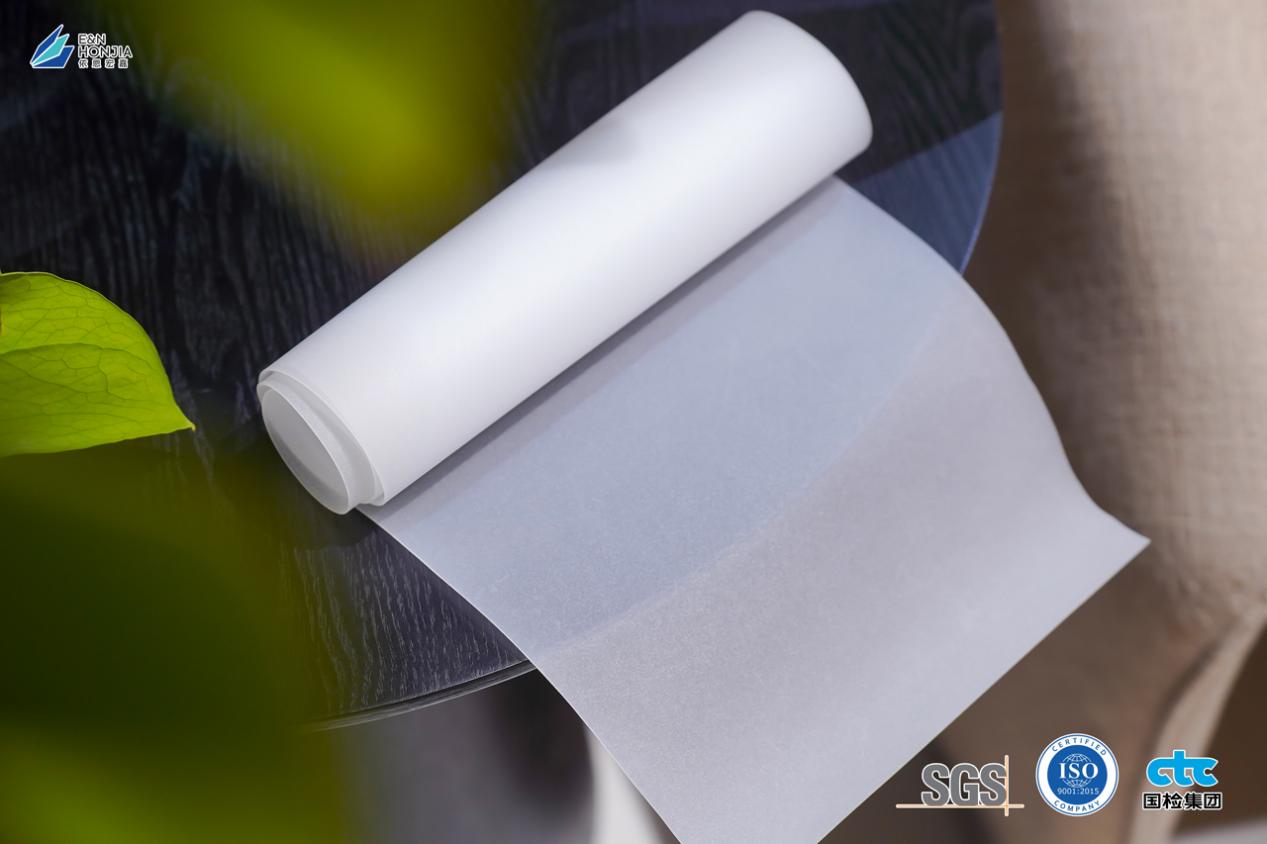
Ultra Clear EVA Interlayer
The evidence chain to request
Start with one representative production batch, then follow the same chain across a trial order. Your request should move from the physical roll or package back to the manufacturing and inspection records.
1. Batch identification. Every roll, carton or pallet should carry a readable batch or lot number. Confirm that the number is unchanged across the packing list, delivery note, CoA and supplier's internal batch record.
2. Basis weight and thickness. Ask which nominal values apply, which tolerances are controlled, and which test method is used. A useful record states the sampled result, unit, sampling point, date and acceptance decision - not only a statement that the material passed.
3. Certificate of Analysis (CoA). Review whether the CoA identifies the exact product grade and batch, states tested characteristics and links results to the applicable specification or agreed limits. If a value is critical to your use, agree the method and reporting format before ordering.
4. Retained sample and sample control. Ask whether the supplier keeps a labeled retained sample for each released batch, where it is stored, how long it is retained and how it can be retrieved if a dispute occurs. A retained sample should be traceable to the same batch number on your shipment.
5. Production date and storage window. Confirm the manufacturing date, recommended storage conditions and any stated shelf-life or use-by guidance. Compare this with transit time and your own incoming-material controls.
6. Traceback and shipment link. The supplier should be able to trace a finished batch to relevant production, inspection and release records, then forward to the shipment or customer order. Test this with a batch number rather than accepting a generic process description.
What a usable EVA film quality certificate should show
An EVA film quality certificate is most useful when it is a batch-specific CoA, rather than a marketing certificate or a document with only a product-family name. It should help your team answer: what material is this, what was checked, who released it, and what evidence can be retrieved later?
|
Check |
What to look for |
Buyer follow-up |
|
Identification |
Supplier name, product grade, batch/lot ID, manufacturing date and document issue date. |
Match the batch ID to labels, packing list and invoice. |
|
Test reporting |
Named characteristics, units, actual results, test method or controlled internal method, and acceptance status. |
Clarify limits and methods for any property critical to your process. |
|
Release control |
A release decision with accountable function, approval or controlled electronic record. |
Ask how corrections, re-tests and deviations are recorded. |
|
Traceability |
A clear path from finished batch to production and QC records. |
Request a redacted example or perform a controlled trace exercise. |
Run a batch-traceability test before the trial
A simple traceability exercise reveals more than a supplier presentation. Send the supplier one batch number from a previous sample, quotation sample or trial shipment and request the documents needed to reconstruct that batch. Agree a reasonable response time in advance.
- Start with a photo of the package label and record the batch number exactly as printed.
- Request the batch CoA, production date, release record and packing/shipping link.
- Check whether document dates, grade names, units and batch codes agree without manual explanation.
- Ask what happens if a batch is found nonconforming after shipment: who decides, how customers are identified and how corrective action is recorded.
- Save the evidence with the supplier evaluation and trial report so the decision is repeatable.
Factory audit questions for laminated glass film quality control
An audit does not need to be long to be useful. Focus on the controls that create reliable evidence and reduce lot-to-lot uncertainty. The questions below work for an on-site audit or a structured remote review.
Incoming materials. How are incoming materials identified, quarantined, sampled and released? What links raw-material lots to finished interlayer batches?
In-process control. Which variables are monitored during production, how are frequencies defined, and what happens when a check is outside the target range?
Final QC. Which results release a batch, who has authority to release it, and can the laboratory demonstrate the record for a selected lot?
Change control. How are changes to formulation, raw materials, equipment, process settings, packaging or test methods assessed and communicated to customers?
Document control. How are CoA templates, specifications and test procedures controlled so the version used for a batch can be identified later?
Complaint learning. Can the supplier explain its investigation path, retained-sample process, corrective action and customer communication for a quality complaint?
Red flags during supplier qualification
- The CoA has no batch number, or the number differs from the roll label or packing documents.
- Results are copied across batches, show no units or methods, or are supplied only as an uncontrolled spreadsheet.
- The supplier cannot explain who releases material or how deviations are prevented from shipping.
- A certificate is offered as proof of all performance claims, but no batch-specific test evidence is available.
- The supplier will not define storage, shelf-life, change-notification or complaint-traceback practices in writing.
A practical request email
Before our trial order, please provide a batch-specific CoA for the proposed grade, an example package label, the traceability path from finished roll to QC release, retained-sample policy, production-date and storage guidance, and the process for notifying customers of relevant changes. Please identify the document version and the responsible quality contact.
FAQ
Q1. Is an EVA film quality certificate enough to approve a supplier?
No. It is one piece of evidence. Approval should also consider whether the certificate is batch-specific, whether results can be traced to the material received, and whether the supplier's controls fit your own specification and trial requirements.
Q2. What is EVA interlayer batch traceability?
It is the ability to use a batch identifier to connect a finished EVA interlayer roll or package to its production, inspection, release, retained-sample and shipment records. The practical test is whether the supplier can retrieve that chain for a selected batch.
Q3. How should I compare an ionoplast interlayer supplier with another supplier?
Use the same evidence questions for both: product identification, specification agreement, batch-specific results, release authority, retained samples, change control, storage guidance and traceability. Then validate the chosen grade in your intended lamination process.
Q4. Which documents should accompany a production shipment?
The exact set depends on your purchase agreement, but commonly includes a packing list, batch identification on packages, a batch CoA where required, storage/handling information and any agreed declarations. Define the document pack before the first production shipment.
Conclusion: buy evidence, not just samples
A sample can show potential; a controlled evidence chain shows whether the supplier can support repeatable supply. When evaluating a laminated glass interlayer supplier, make batch traceability, QC records, retained samples, production date and a focused audit part of the decision. This gives procurement a clearer basis for qualification and gives quality teams a faster path when questions arise.