How to Customize Interlayers for Laminated Glass in 2026: Tailoring the Right Interlayer Solution for Laminated Glass
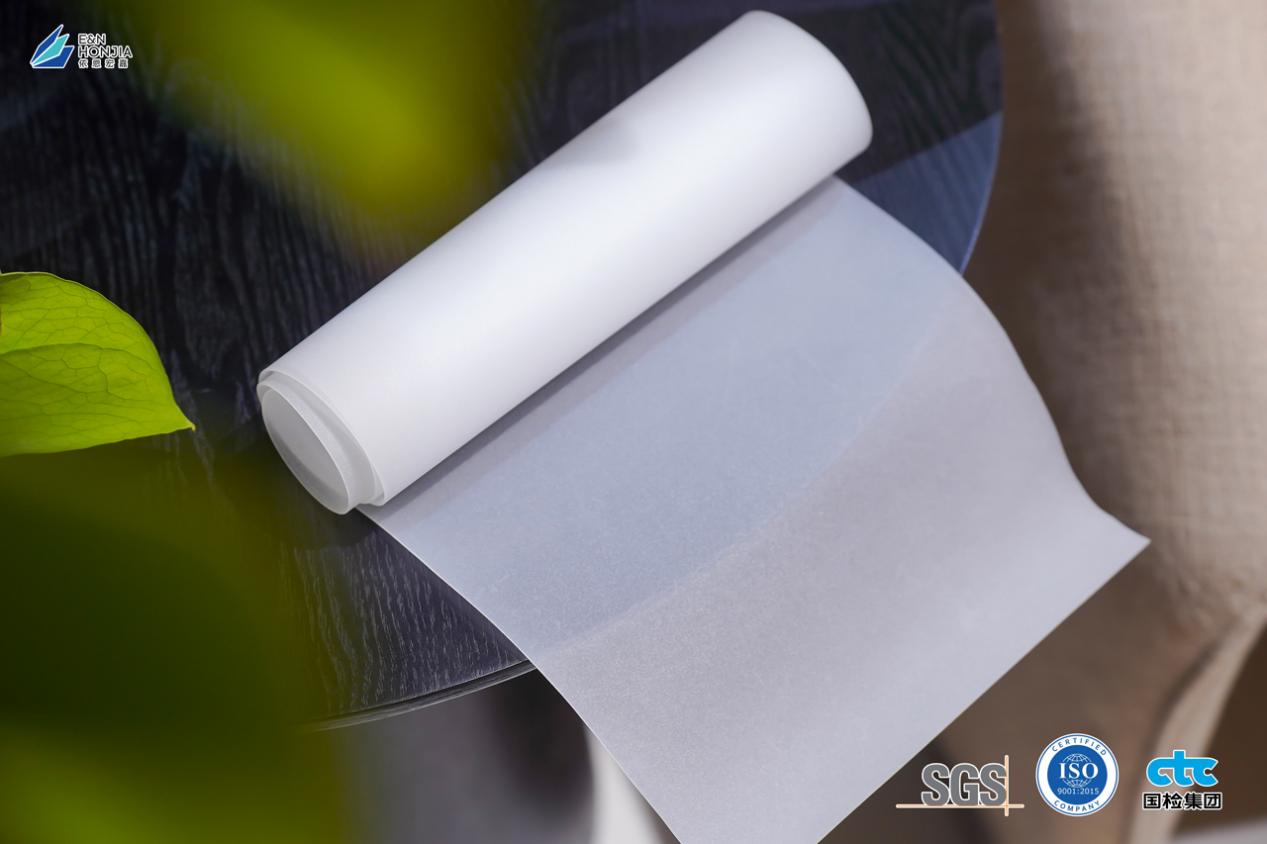
In today's architectural design landscape, where personalization and ultimate performance are increasingly sought after, "standard products" can no longer meet the needs of all high-end projects. Whether it's a glass staircase demanding extreme transparency or a smart curtain wall that adapts to changing ambient light, the unsung hero behind the glass—the interlayer of laminated glass—is undergoing a revolution from "material selection" to "customization." How can you tailor the most suitable interlayer solution for your project? This article will delve into the customization logic of Clear EVA, SGP interlayer, and PDLC film, helping you find the perfect balance between performance and design.
Why is "Custom Interlayer" Becoming a Necessity for Laminated Glass?
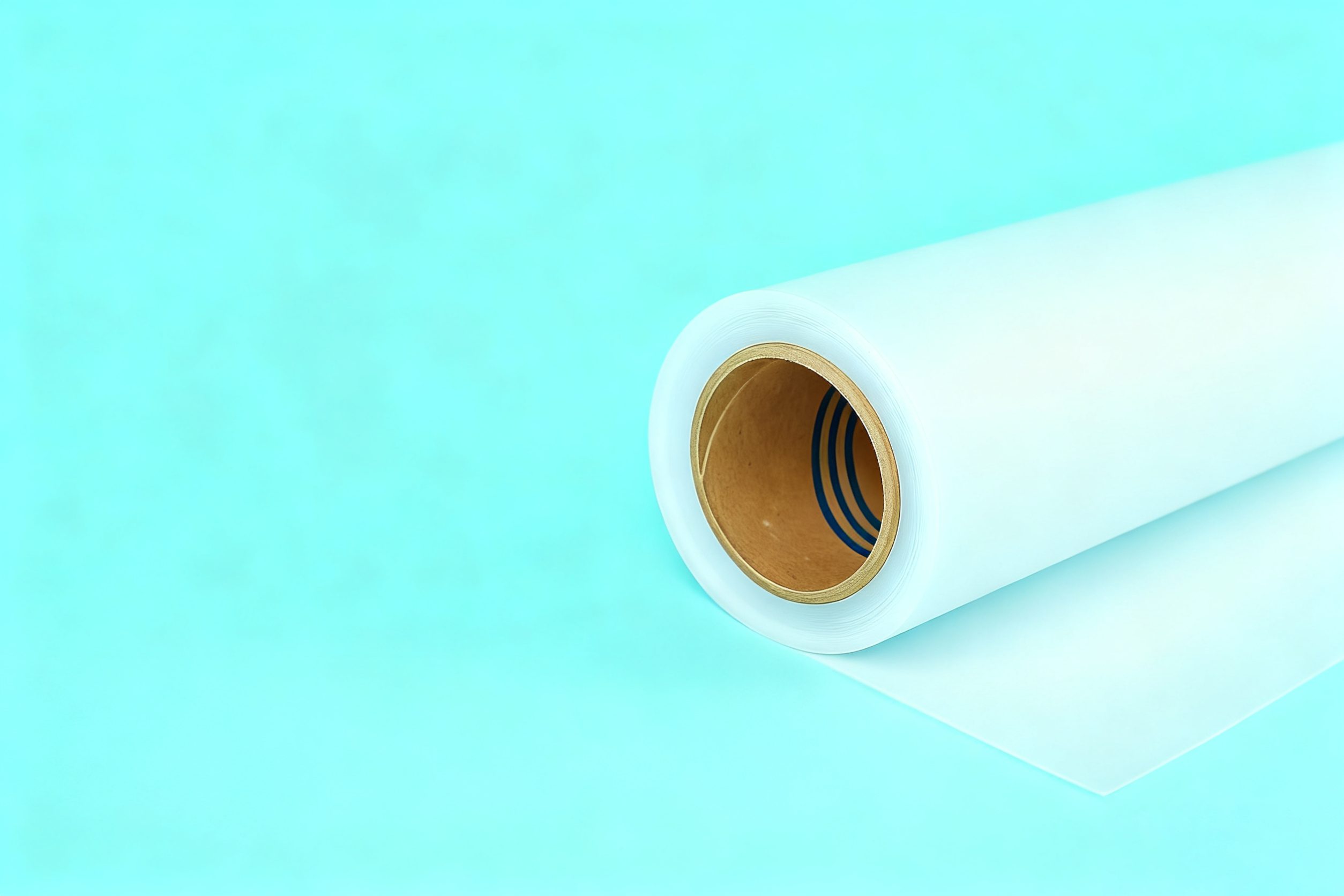
Custom Interlayer for Laminated Glass
Once upon a time, glass processors only had a few standard PVB films to choose from. But with the advancement of structural interlayers technology, architects' demands have also increased: higher wind pressure resistance, more distinctive colors, and even laminated structures that can embed LEDs or fabrics. Standard "off-the-shelf products" often face a dilemma: either over-performance leads to uncontrolled costs, or insufficient performance creates safety hazards. Therefore, in-depth customization based on interlayer technology for laminated glass has become an essential path for high-end glass projects. Customization is not just about changing the thickness; it involves calculating safety redundancy, optimizing optical performance, and precisely matching specific application scenarios.
Interlayer Technology for Laminated Glass: The Technical Basis for Customization
Before discussing customization, we need to understand the core variables of interlayer technology for laminated glass. The interlayer plays the role of bonding, stress transfer, and functional carrier in laminated glass. To achieve successful customization, we usually start from the following three dimensions:
Rheology: Controlling the flow rate of the film at high temperatures. Too high fluidity will lead to adhesive overflow, while too low fluidity will prevent filling the microscopic unevenness of the glass surface (especially the waviness of tempered glass).
Cross-linking: This determines the hardness and weather resistance of the film. By adjusting the cross-linking degree and base formula, we can optimize the film's hardness (for enhanced structural properties) or damping characteristics (for improved sound insulation).
Functional Additives: By adding UV blockers, pigments, or tackifiers, we can give the glass special optical or physical properties.
Clear EVA Interlayer (Core): The Most Flexible Customizable Interlayer
If PVB is a standardized industrial product, then Clear EVA interlayer is the "liquid gold" born for customization. Because EVA interlayer film for laminated glass is a thermosetting material with a wide processing temperature range (80°C-130°C), it provides EVA film manufacturers with significant flexibility in formula adjustment.
Why is Clear EVA the King of Customization?
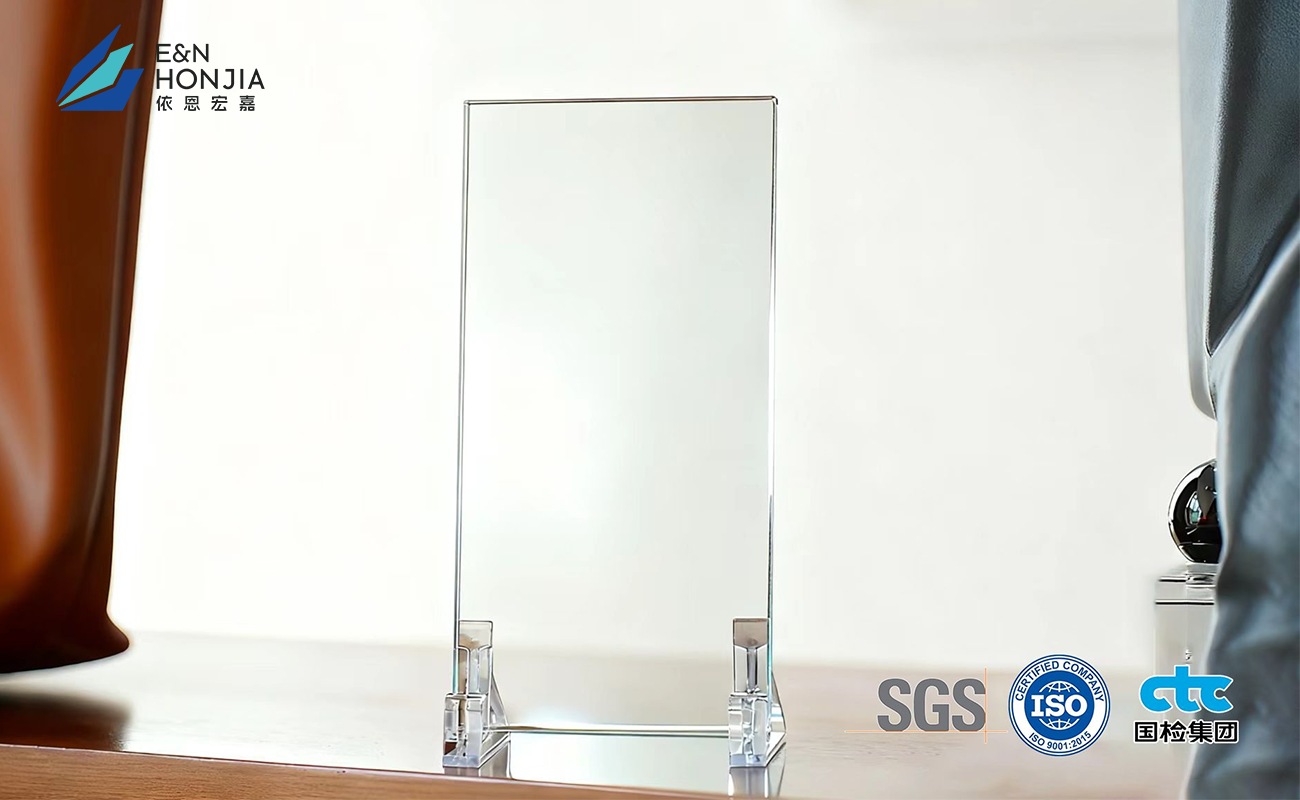
Adjustable Flowability: If you need to laminate silk, metal mesh, or rice paper into the glass, standard PVB cannot penetrate the gaps in these materials, leading to bubbles. Customized EVA interlayer film for glass lamination can adjust the melt index, allowing it to flow like water and perfectly impregnate the embedded materials.
Optical Customization: In addition to pursuing ultimate transparency, Clear EVA interlayer can be customized into various degrees of translucency (haze customization) or colors, and can even be customized with a museum-grade formula that "completely blocks the ultraviolet light below 400nm".
Weather Resistance and Moisture Resistance: For seaside or bathroom projects, a formula with enhanced hydrophobicity can be customized to completely eliminate edge delamination.
Comparison of Customization Parametersof EVA vs. PVB
To help you understand the customization potential of EVA more intuitively, please see the table below:
Table 1: Customization Potential of EVA vs. PVB
|
Feature |
Clear EVA Interlayer |
Standard PVB |
|
Flowability (for Inserts) |
High (Customizable) |
Low (Fixed) |
|
Processing Temp |
80°C - 130°C (Flexible) |
~135°C (Fixed) |
|
MOQ (Minimum Order) |
Low (Roll basis) |
High (Large batch) |
|
UV Cutoff |
Customizable (upto 400nm) |
Standard (upto 380nm) |
|
Moisture Resistance |
Excellent (Cross-linked) |
Poor (Hygroscopic) |
SGP Interlayer (Core): Structural Customization Safety Benchmark

SGP interlayer (SentryGlas Plus) is known for its ultra-high strength. Although its chemical formula is relatively fixed (ionic polymer), the customization of SGP interlayer for laminated glass is mainly reflected in the "engineering-grade" application level.
1. Structural Calculation and Thickness Optimization
SGP customization is relatively expensive; therefore, the core of customization is "just right". Through professional finite element analysis (FEA), China SGP interlayer for laminated glass suppliers can assist you in calculating the optimal SGP thickness (such as 0.76mm, 0.89mm, 1.14mm, 1.52mm, 2.28mm, etc.), avoiding material waste while meeting wind load and human impact specifications.
2. Project-Level Size Customization
Standard SGP rolls have limited widths. However, for large-scale curtain wall projects, excellent suppliers can provide custom-sized cutting services, and even customize special wide-width rolls to reduce waste and joint risks during lamination.
3. Customization Focus: Safety Level Matching
In hurricane-resistant or blast-resistant projects, customization is not just about buying film, but about customizing a complete "glass + SGP + frame" system solution.
PDLC Film (Core): Customization Logic of Functional Interlayers
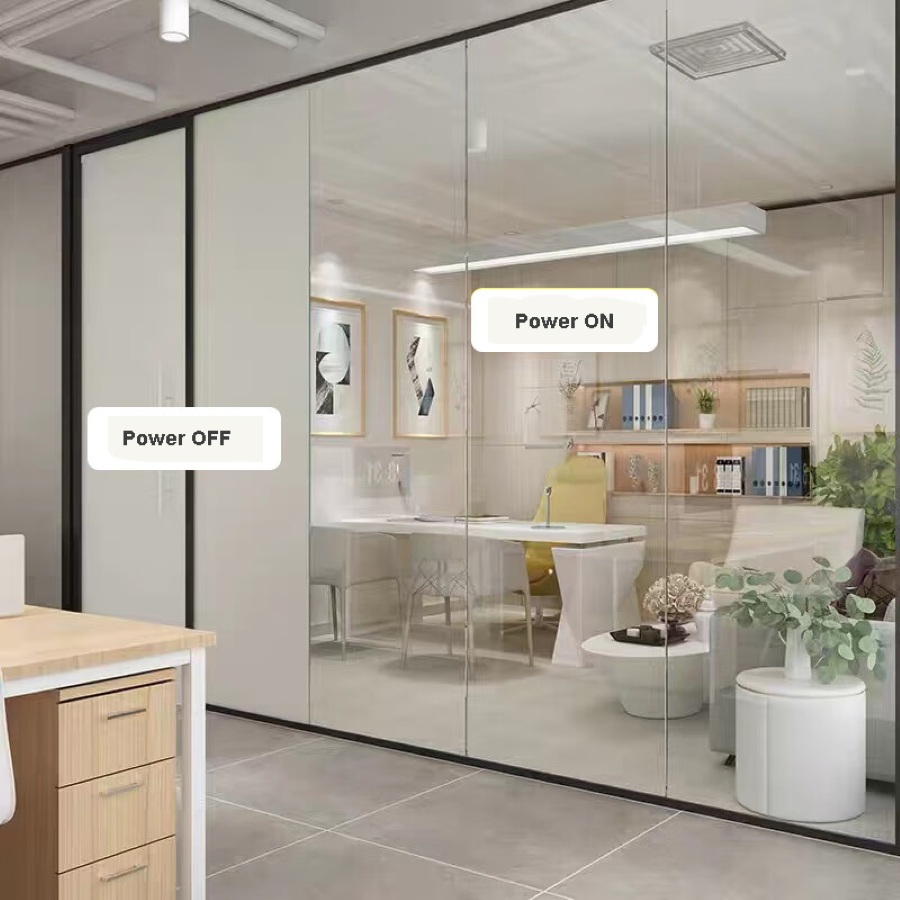
PDLC film (smart dimming film) is the most complex part of modern interlayer applications. As an electronic component, its customization logic is completely different.
Core Parameter Customization: Professional PDLC film manufacturers can adjust the following parameters according to project requirements:
Transmittance and Haze: Is the transmittance (VLT) after power-on 78% or 85%? What is the shading effect after power-off? Driving Voltage: Standard AC 110-240V (mains-compatible), or safer DC 12-24V? This directly affects the cost of the electrical system.
Color and Pattern: PDLC is not only available in white, but can also be customized in gray, black, or even achieve Venetian blind-style partitioned dimming through laser etching.
2. Considerations for Collaborative Customization
Key Point: PDLC film must be used in conjunction with Clear EVA interlayer. During customization, it is essential to ensure that the shrinkage rate and fluidity of the EVA match the PDLC film substrate, otherwise "shrinkage" or circuit damage may occur.
Table 2: PDLC Customization Checklist
|
Parameter |
Standard Spec |
Custom Options |
|
VLT (On-State) |
78% |
High Clarity (>83%) |
|
Haze (On-State) |
5% |
Low Haze (<3.5%) |
|
Driving Voltage |
60V AC |
36V, 48V, or DC options |
|
Color |
Milky White |
Grey, Black, Blue, etc. |
|
Width |
1.2m / 1.5m |
Super wide (up to 1.8m) |
Starting from Applications: Interlayer Applications Determine the Direction of Customization
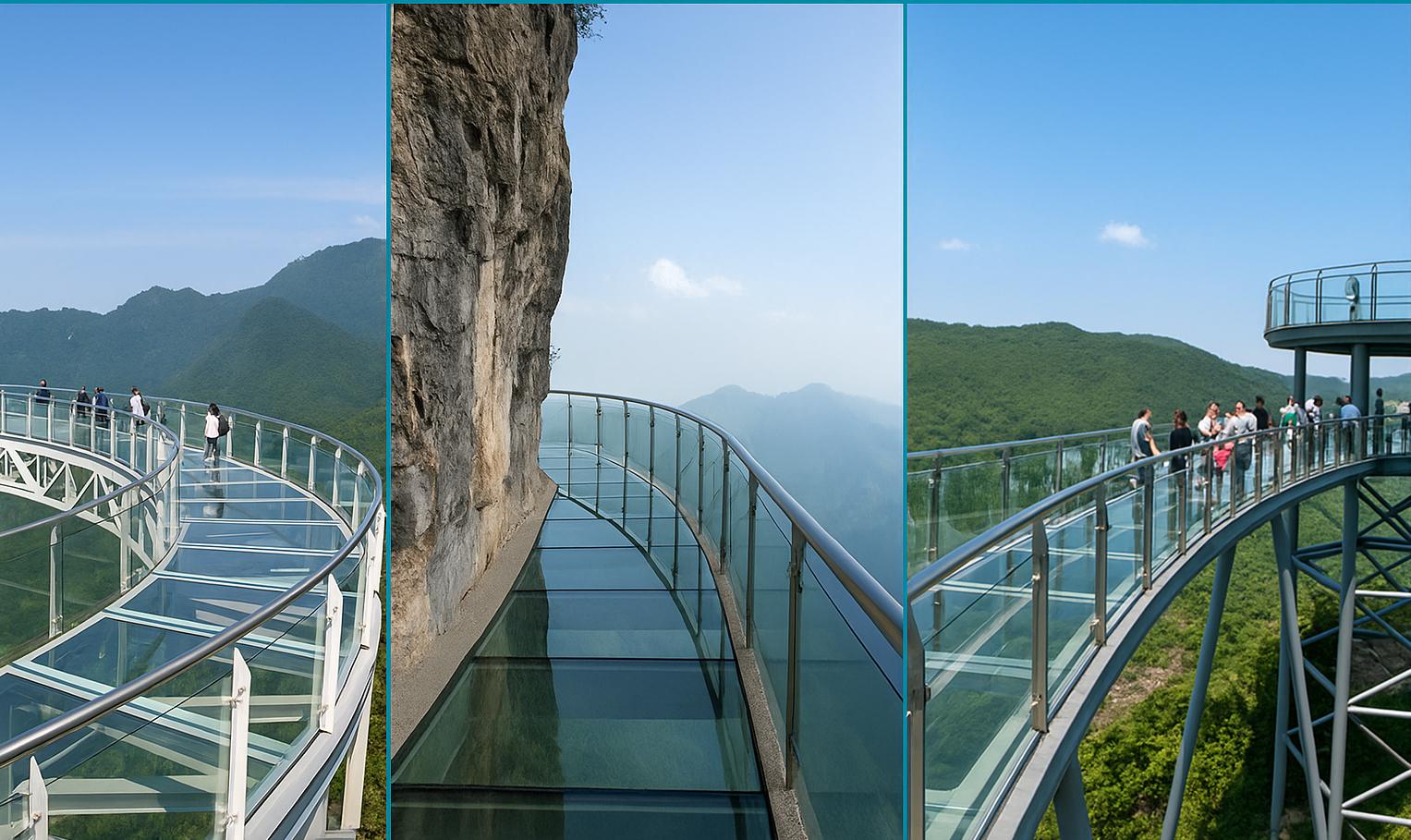
Different interlayer applications determine your customization direction:
1. Building Curtain Walls and Facades:
Keywords: Structural interlayers.
Customization focus: Choose SGP interlayer, focus on customizing dimensions to reduce waste, and conduct structural adhesive compatibility testing.
2. Glass Railings and Large Glass Panels:
Keywords: SGP interlayer for laminated glass.
Customization focus: Stiffness matching. Ensure that the glass does not collapse after breakage.
3. Interior Decoration and Wired Glass:
Keywords: EVA interlayer film for laminated glass.
Customization focus: High-fluidity EVA formula to ensure that thick fabrics or metal meshes are completely impregnated without bubbles.
4. Smart Privacy Partitions:
Keywords: PDLC film.
Customization Focus: Low haze formula + dedicated low flow rate EVA to ensure visual clarity and circuit safety.
How to Efficiently Complete Custom Development
with a Glass Film Supplier Successful customization begins with efficient communication. When dealing with a glass film supplier or EVA film manufacturer, you need to provide accurate information.
1. Pre-communication Checklist
Application Scenario: Indoor or outdoor? (Determines whether a high UV resistance formula is needed)
Bonded Material: Is it ordinary float glass, or does it contain PET, fabric, or metal? (Determines the adjustment of EVA's bonding strength)
Processing Equipment: Is it an autoclave or a vacuum furnace? (Determines the film's processing temperature curve)
2. R&D Capability is Key
Don't just look at the price. When choosing a supplier, ask if they have their own laboratory. A capable China SGP laminated glass supplier or EVA manufacturer should be able to provide you with sample testing, tensile data reports, and aging test data.
Common Challenges and Solutions for Customizing Structural Interlayers
Customizing structural interlayers may encounter various risks. Below are some common challenges and corresponding solutions.
Challenge 1: Balancing safety and processability: Sometimes, in pursuit of high strength, the film becomes too hard, making degassing difficult during lamination and causing bubbles.
Solution: Collaborate with the technical team to adjust the rheological curve of the interlayer technology for laminated glass, finding a balance between the "processing window" and "final performance."
Challenge 2: Batch consistency issues: Small-batch production of customized formulas is prone to batch color differences.
Solution: Lock in the raw material batch and require the supplier to retain samples for traceability.
Why Choose E&N as Your Custom Interlayer Manufacturer?
In the realm of interlayer technology for laminated glass customization, finding a partner who understands both materials and processing is crucial. E&N is not just a material supplier; we are your Laminated Glass Technology Incubation Center.
Why do high-end architectural projects and glass processors globally choose E&N as their glass film supplier?
"All-in-One" Full-Category Customization: Unlike manufacturers who produce only single products, E&N is one of the few in the industry mastering core technologies for Clear EVA, SGP, and PDLC simultaneously.
Compatibility Assurance: We complete matching tests between PDLC film and our own Clear EVA interlayer before factory exit, solving compatibility issues like edge shrinkage or haze caused by mismatched brands.
One-Stop Shop: Whether your project needs structural SGP interlayer or decorative colored EVA, we provide a complete custom solution.
Lab-Grade Deep R&D: Our customization isn't just "cutting to size"; it's formula adjustment at the molecular level. As a professional EVA film manufacturer, E&N possesses advanced rheology and aging laboratories.
Rheology Customization: For wire/fabric glass, we customize High Melt Index EVA formulas to ensure perfect wetting of thick inserts.
Spectral Customization: We can customize optical-grade interlayers with specific wave-blocking capabilities (e.g., UV 400nm or IR blocking) for museums or storefronts.
Flexible MOQ & Rapid Response
We understand that custom projects often involve "high variety, low volume."
Mock-up Support: E&N supports rapid sampling of small rolls to help you complete project verification at minimal cost.
Project-Level Supply: For special widths or cut-to-size needs that standard traders cannot support, E&N provides flexible production scheduling to align with your engineering timeline.
FAQ
Q1: Does custom Clear EVA interlayer support small batches?
A: Yes. Compared to PVB, Clear EVA interlayer offers greater production flexibility. Many EVA film manufacturers support fine-tuning customization in "roll" units, which is ideal for decorative projects.
Q2: Can SGP interlayer be customized at the project level?
A: The chemical formula of SGP is difficult to customize, but its physical specifications (width, length, thickness combination) can be fully customized at the project level. Finding a capable China SGP laminated glass supplier can provide better size support.
Q3: Does PDLC film customization affect the lamination process?
A: Yes. PDLC films with different light transmittances or thicknesses have different temperature sensitivities. After customization, the lamination temperature curve must be re-tested, and it is usually recommended that the glass film supplier provide corresponding processing guidance.
Q4: How to determine if the interlayer customization solution is mature and reliable?
A: Aging tests are required. The customized sample is tested in a high-temperature and high-humidity chamber (85°C/85%RH) for 1000 hours. If there is no delamination or discoloration, the solution is considered reliable.
Conclusion: Customizing the interlayer is a crucial step in high-end laminated glass projects
In the world of laminated glass, there is no such thing as a "universal film." Clear EVA interlayer is the preferred choice for creative and aesthetic customization; it can encapsulate everything. SGP interlayer is the cornerstone of strength and safety customization; it protects the structure. PDLC film is the pioneer of technology and privacy customization; it gives life to glass. Successful customization is not just about buying special materials, but about choosing a glass film supplier(内链https://www.enevaglass.com/) who understands the technology. Through in-depth technical cooperation, you can break through the limitations of standard products and achieve a perfect balance in performance, aesthetics, and cost for your glass project.