
How to Custom SGP Glass in 2026? A Comprehensive Guide to Customizing SGP Laminated Glass in 2026
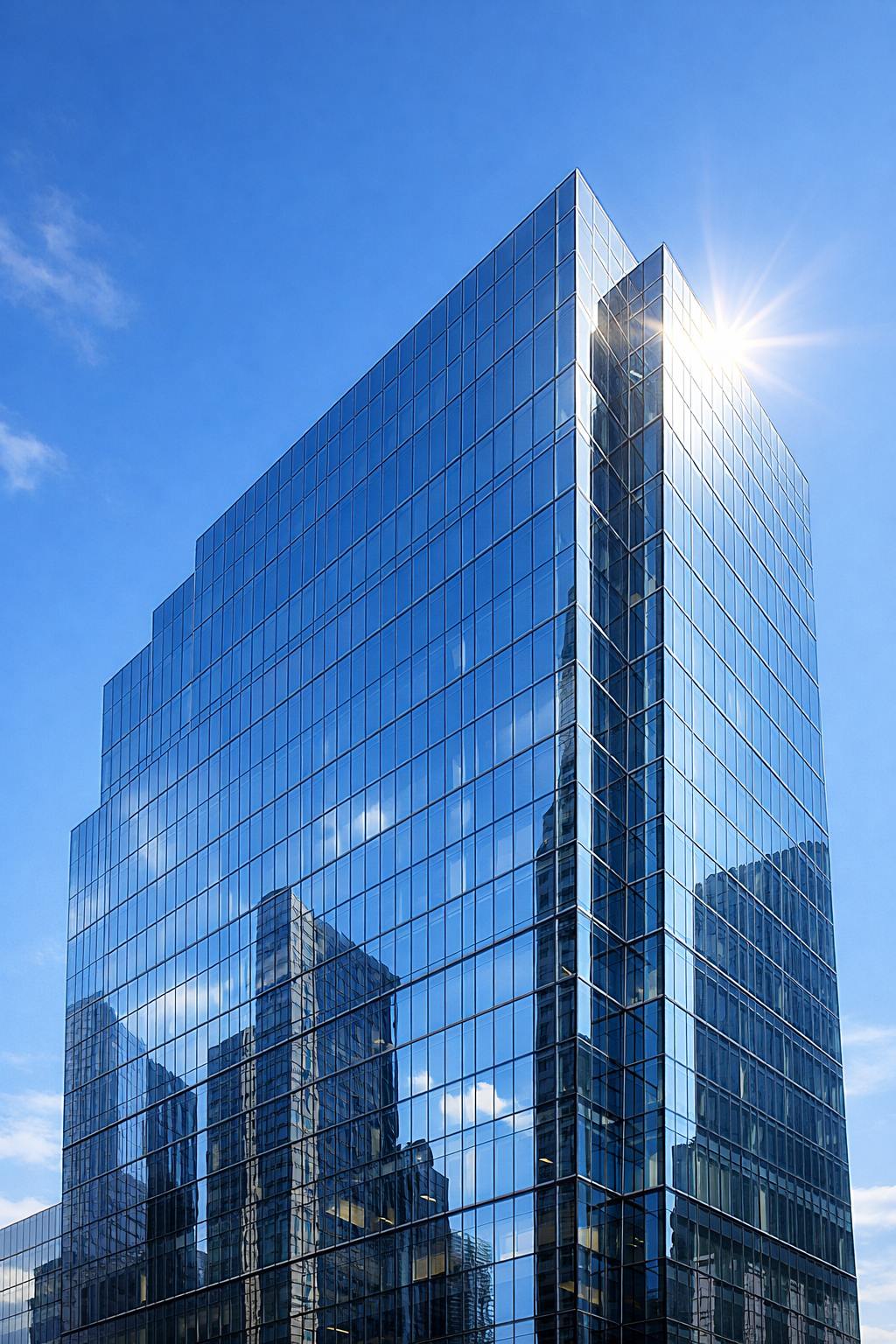
Step into the world of modern architecture in 2026, and you will find that glass is no longer synonymous with fragility. As global standards for high-rise buildings—specifically regarding wind resistance, hurricane protection, and structural safety—continue to rise, SGP glass is rapidly becoming the material of choice for major construction projects at an unprecedented pace.
Whether you are standing on a glass skywalk hundreds of meters in the air, gazing up at the all-glass curtain wall of a city landmark, or leaning against the transparent railing of an infinity pool, the material supporting these breathtaking designs is often SGP glass.
Compared to traditional laminated glass, SGP has rightfully earned the title of "King" in the field of structural glass, thanks to its extraordinary strength and superior weather resistance. However, SGP is not a standardized, mass-produced commodity; varying spans, wind loads, and application scenarios all demand precise "customization."
This brings us to the core question facing architects, curtain wall engineers, and glass fabricators alike: How does one customize SGP glass in 2026 to suit diverse applications?
Today, we will take you to the cutting edge of the glass industry to provide you with a professional, practical, and comprehensive guide to the entire SGP glass customization process.
What is Structure and Advantages of SGP Glass?
Before we discuss customization, we must first gain a thorough understanding of the material itself.
Basic Structure
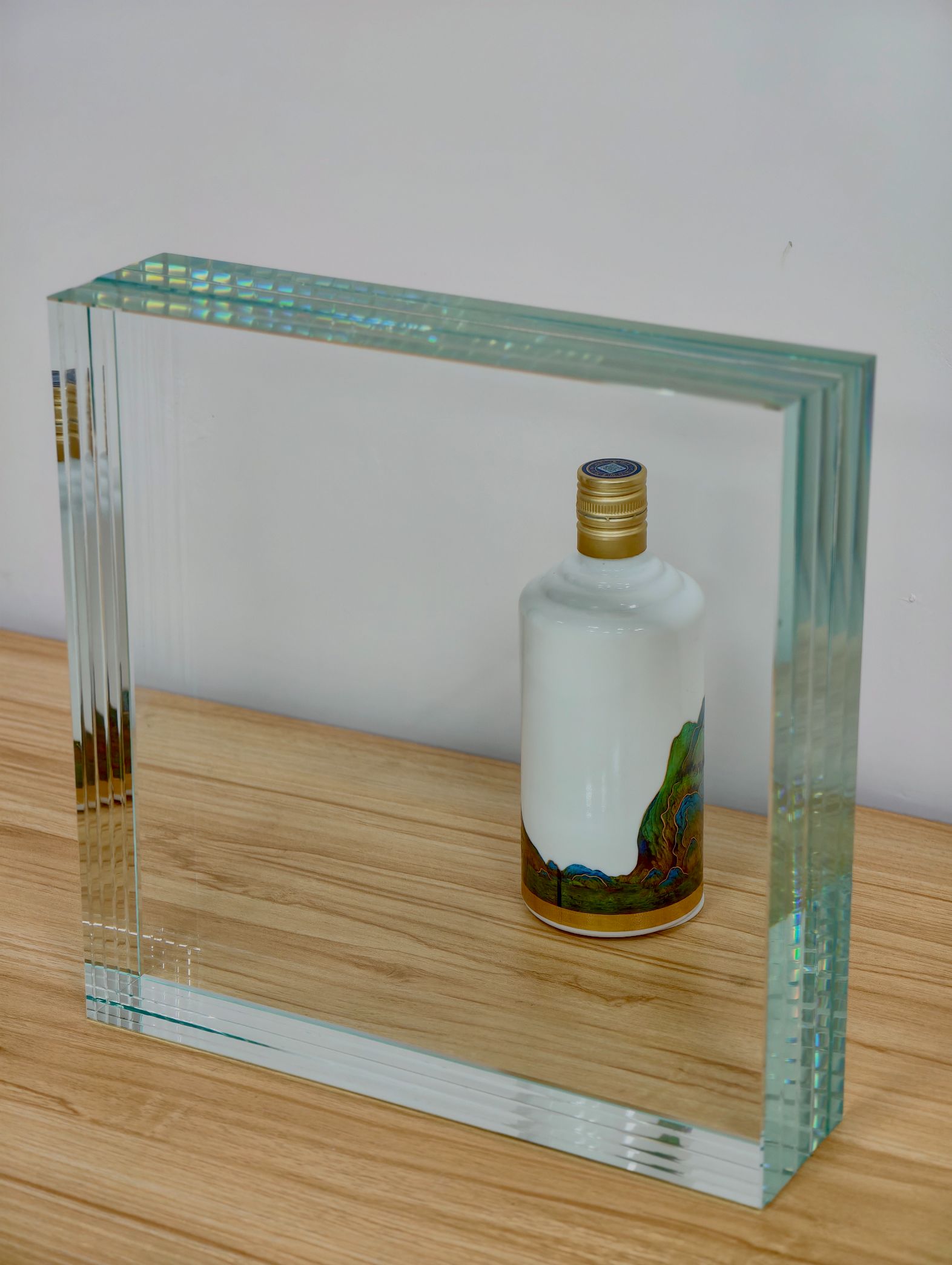
Physically, SGP glass resembles traditional laminated glass; both can be described as a "glass sandwich." It consists of two or more layers of tempered or heat-strengthened glass, with an SGP interlayer (an ionoplast interlayer—originally developed by DuPont and now widely known as SentryGlas Plus) sandwiched between them. These layers are then permanently fused into an indestructible, monolithic unit through a high-temperature, high-pressure glass lamination process.
The Difference Between SGP and EVA Interlayers
In the world of laminated glass, SGP and EVA are two masters with vastly different characteristics. We can visualize this comparison using the English table below:
Table 1: Performance Comparison: SGP vs. EVA Interlayer
| Feature | SGP Interlayer (Ionoplast) | EVA Interlayer (Thermoset) |
| Strength (Tear Resistance) | Extremely High (5x stronger than PVB) | Moderate (Suitable for decoration) |
| Rigidity (Stiffness) | Very Rigid (100x stiffer than PVB) | Flexible (Flows well around inserts) |
| Post-breakage Behavior | Stands upright, bears load | Holds glass together, but slumps |
| Edge Stability (Moisture) | Outstanding (No edge delamination) | Excellent (Hydrophobic) |
| Primary Application | Structural Glass, Hurricane Glazing | Decorative, Indoor Partitions, PDLC |
In a nutshell: The EVA interlayer is like all-encompassing "water"—versatile and suitable for interior decoration and functional laminations; whereas the SGP interlayer is like rigid "steel"—the only choice for high-risk structural glass applications in outdoor environments.
Core Steps in Customizing SGP Glass
Customizing SGP glass is not merely a matter of "submitting length and width dimensions"; it is a rigorous engineering design process.
3.1 Define the Application Scenario
Different applications directly dictate the underlying logic of the design:
High-rise Curtain Walls: The primary focus is on withstanding sustained wind loads and potential external impacts, requiring extremely high structural rigidity.
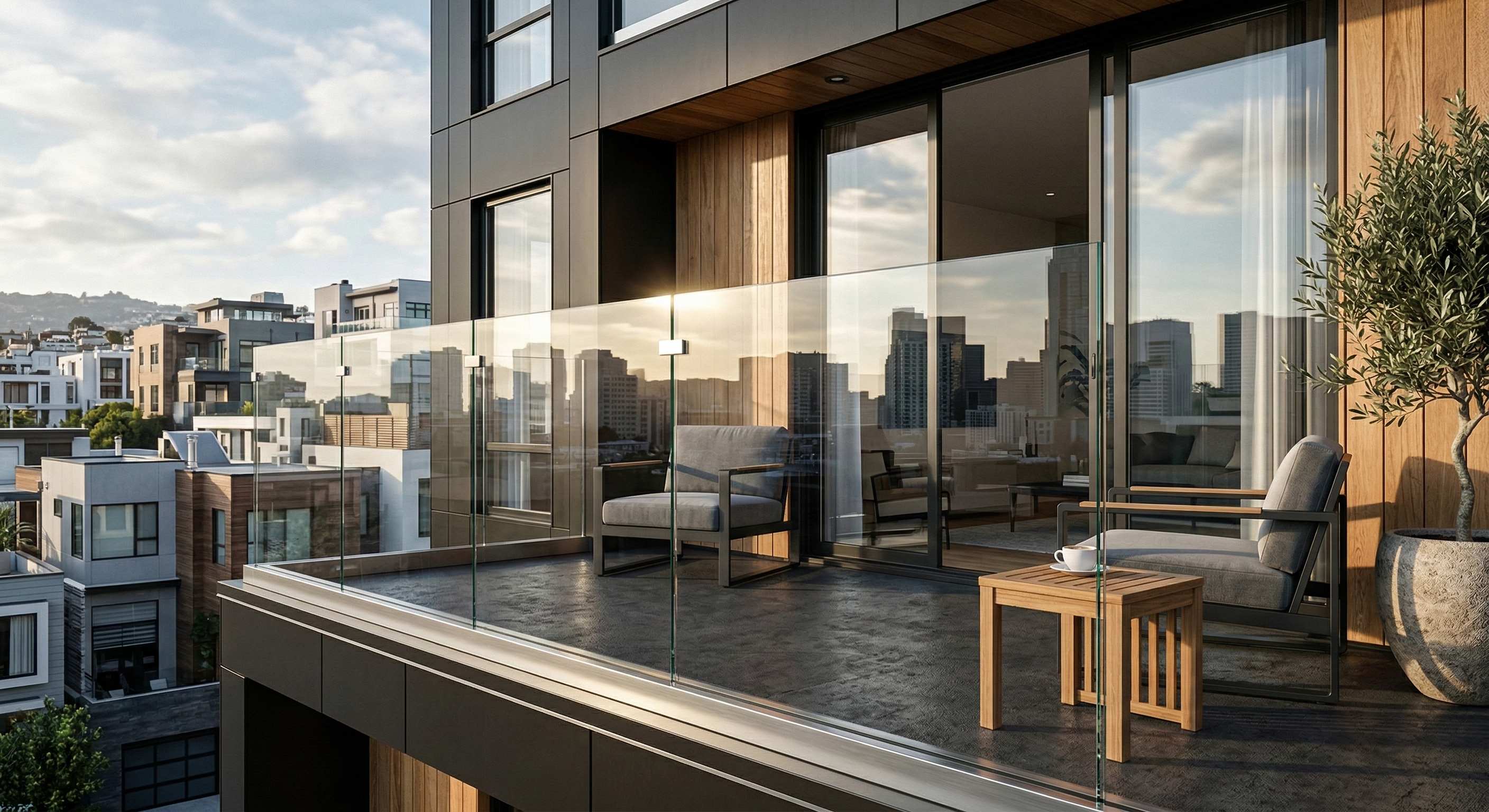
Frameless Railings: The focus lies on "post-breakage safety"; even if the glass shatters completely, the SGP interlayer must remain standing like a rigid panel to prevent people from falling.
Skylights: The focus is on long-term UV resistance and weatherability, as well as the capacity to bear the weight of accumulated snow.
3.2 Determine Glass Structure Parameters
The selection and combination of the base glass panes form the foundation:
Thickness Combinations: Common combinations include 6+6mm, 8+8mm, and 10+10mm; for ultra-large panels, three or even four layers of laminated glass may be required (e.g., 12+12+12mm laminated glass).
Glass Type: Typically, ultra-clear glass (Low-Iron) is used to showcase the exceptional transparency of the SGP interlayer, often combined with tempering or heat-strengthening treatments to enhance the structural strength of the base glass.
3.3 Select SGP Interlayer Specifications
The thickness of the interlayer film determines the safety redundancy:
Common Thicknesses: 0.76mm, 0.89mm, 1.14mm, 1.52mm, 2.28mm.
Selection Principles: Standard railings typically utilize a 1.52mm interlayer; however, for specialized glass requiring hurricane resistance or bulletproofing, multiple layers of film must be stacked.
3.4 Glass Lamination Process Design
This represents the core technical barrier for glass processing manufacturers. The processing conditions for SGP are extremely demanding, with critical control points centered on the parameters within the autoclave:
Temperature Profile: The flow-melting temperature of SGP is higher than that of PVB, requiring precise control over the heat-soaking duration. Pressure and Vacuum Evacuation: Only an absolute vacuum combined with immense pressure (typically 12–14 bar) can thoroughly expel all air, ensuring that the interlayer film and the glass form an anchorage at the level of a chemical bond.
This step directly determines whether the final SGP glass product will suffer from blistering or delamination.
3.5 Edge Treatment and Processing
SGP glass is typically installed with exposed edges (Open Edge). Therefore, high-quality CNC-polished edges are a standard requirement. Furthermore, countersunk holes—used for point-fixed curtain wall systems—must be precisely drilled *before* the glass undergoes the tempering process.
Key Technical Specifications for Custom SGP Glass
When accepting a batch of custom-ordered SGP glass, you need to understand these three core technical indicators:
4.1 Strength and Safety Performance
It is essential to evaluate not only the wind-load resistance data under intact conditions but, more importantly, its "post-breakage strength" (the ability to maintain integrity after fracture). This is the core selling point of the SGP interlayer.
4.2 Optical Performance
SGP exhibits an extremely low Yellowness Index. High-quality SGP glass should appear crystal-clear at the edges; furthermore, its light transmittance and haze levels must meet established architectural optical standards.
4.3 Weather Resistance
The product must undergo rigorous cyclic humidity-and-heat aging tests as well as UV irradiation tests to ensure that, even under prolonged exposure to sunlight and humid environments, it will remain free of yellowing or delamination for decades.
How to Choose a Reliable SGP Glass Manufacturer?
In the glass industry, while there are many factories capable of producing standard laminated glass, only a select few possess the expertise to truly excel at manufacturing SGP glass.
5.1 Experience with Structural Glass
A high-quality SGP glass manufacturer must possess a proven track record of supplying glass for large-scale curtain wall projects or high-profile landmark buildings. Only through the rigorous experience of participating in "super-projects" can a manufacturer truly understand how to navigate and avoid the hidden pitfalls inherent in the glass lamination process.
5.2 Comprehensive Industry Certifications
SGP glass is a life-safety product. Therefore, the manufacturing facility must be able to provide internationally recognized test reports and certifications—such as European EN standards, US SGCC certification, and relevant impact-resistance tests (e.g., ANSI and ASTM). 5.3 Is Technical Support Provided?
Top-tier manufacturers don't just sell glass; they sell solutions. They should be capable of providing architects with structural calculation recommendations regarding glass thickness, offering mock-up samples for testing, and providing technical guidance for on-site installation.
SGP Glass vs. Other Laminated Glass: A Comparison of Applications
The best materials should be reserved for the most critical applications. To assist you in creating more precise budgets, we have summarized the specific application scenarios for various types of laminated glass:
Table 2: Laminated Glass Application Matrix (2026 Edition)
| Application Scenario | Recommended Solution | Why This Solution? |
| High-rise Facades / Structural Fins | SGP glass | Maximum stiffness, withstands extreme wind loads and impacts. |
| Frameless Balconies / Glass Floors | SGP glass | Stands rigid even if all glass layers are shattered, preventing falls. |
| Indoor Decoration / Showers | EVA interlayer laminated glass | Highly transparent, moisture-resistant, customizable with inserts. |
| Standard Safety Windows (Residential) | PVB laminated glass | Cost-effective, sufficient for basic impact and sound reduction. |
In structural applications where human safety is at stake, SGP serves as the irreplaceable, ultimate line of defense.
SGP Glass Customization Trends in 2026
Looking toward the future from the vantage point of 2026, the customization of SGP glass is exhibiting three major trends:
Jumbo Sizes: Driven by architects' pursuit of seamless, unobstructed views, the demand for massive custom SGP laminated glass panels—reaching lengths of 18 meters or even 20 meters—is skyrocketing.
Higher Strength Requirements: Beyond merely withstanding typhoons, there is a growing need to address more extreme requirements for blast resistance and impact protection.
Integration with Smart Glass: Combining PDLC switchable films with SGP creates a product that delivers intelligent privacy features while ensuring the highest level of safety—a current frontier challenge in materials science.
Common SGP Glass Customization Mistakes
In engineering projects, the following elementary errors often lead to catastrophic consequences:
- Focusing solely on price while neglecting structural design: Attempting to substitute SGP with thicker PVB interlayers; should the glass break, it will go limp and collapse like a wet blanket.
- Failing to match the appropriate interlayer thickness: To cut costs, using an SGP film that is too thin (e.g., using 0.89mm instead of 1.52mm) in areas subject to high wind pressure.
- Selecting an inexperienced manufacturer: The manufacturer's autoclave processing is substandard, resulting in dense "white edges" or delamination along the glass edges.
FAQ
Q1: What is SGP glass used for?
It is specifically designed for high-strength structural glass applications, such as glass curtain walls for skyscrapers, frameless balcony railings, glass walkway flooring, skylights, as well as bulletproof and blast-resistant safety glass.
Q2: How is SGP glass different from EVA laminated glass?
The hardness and tear strength of SGP far exceed those of EVA; consequently, SGP is specifically utilized to bear structural loads. In contrast, EVA offers superior flow properties and decorative compatibility, making it primarily suitable for applications such as interior partitions, artistic glass, and smart dimmable glass.
Q3: Can SGP glass be customized?
Absolutely. Based on the structural stress requirements of your building, you can customize the thickness combination of the base glass panes, the specifications of the SGP interlayer, and even specific geometric shapes and drilling locations.
Q4: How do I choose a reliable SGP glass manufacturer?
Key factors to evaluate include their portfolio of past projects, possession of authoritative international certifications (such as SGCC or EN), their autoclave processing capabilities, and their ability to provide long-term quality warranties and technical calculation support.
Conclusion
In the architectural landscape of 2026, SGP glass is no longer merely a luxury building material; it has become the indispensable core safety foundation for high-end structural laminated glass.
Customizing high-quality SGP glass is far more complex than a simple commodity transaction; it is a comprehensive systems engineering process. The keys to its success lie in: sound structural design during the preliminary stages; selecting the precise thickness for the SGP interlayer; relying on the manufacturer's stable and sophisticated glass lamination processes; and—most importantly—collaborating closely with a professional SGP glass manufacturer that truly possesses technical expertise and extensive experience.
If you are seeking a trustworthy SGP structural laminated glass solution for your next flagship project, we invite you to learn more about E&N—a company with years of deep expertise in the field of new glass materials. We offer top-tier, one-stop services ranging from base glass processing to SGP lamination, backed by a comprehensive suite of international certifications.