
How to Choose High Temperature Adhesive Tape for Glass Lamination in 2026?
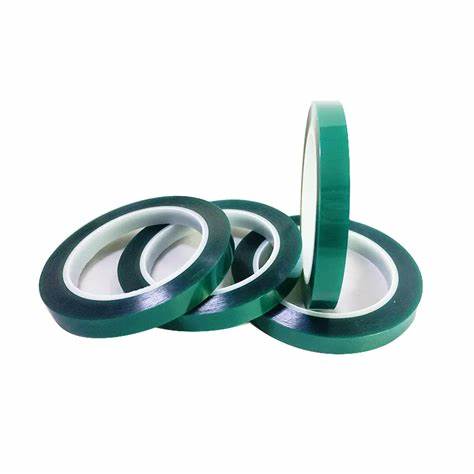
In the intricate process of glass lamination, the vast majority of companies and engineers tend to focus their attention primarily on expensive raw glass sheets and core interlayers (such as EVA, PVB, or SGP). However, within the actual production workshop, an incredibly unassuming auxiliary material often determines the ultimate fate—success or failure—of an entire batch of glass: the High Temperature Adhesive Tape.
When encountering issues such as blistering, edge delamination, or vacuum leaks, many factories instinctively suspect the quality of the interlayer film or the equipment parameters, while overlooking the adhesive tape used to secure and seal the glass edges. In reality, this auxiliary material directly impacts the absolute effectiveness of the vacuum seal, the structural stability of the edges, and ultimately, the yield rate of the finished laminated glass products.
As we enter 2026—a year marked by ever-increasing dimensions of architectural glass panels and soaring added value—the costs associated with product scrap caused by auxiliary material failure have become prohibitively high. This article aims to address these critical production pain points head-on and answer the core question: How do you choose the right High Temperature Adhesive Tape for glass lamination in 2026?
What is High Temperature Adhesive Tape?
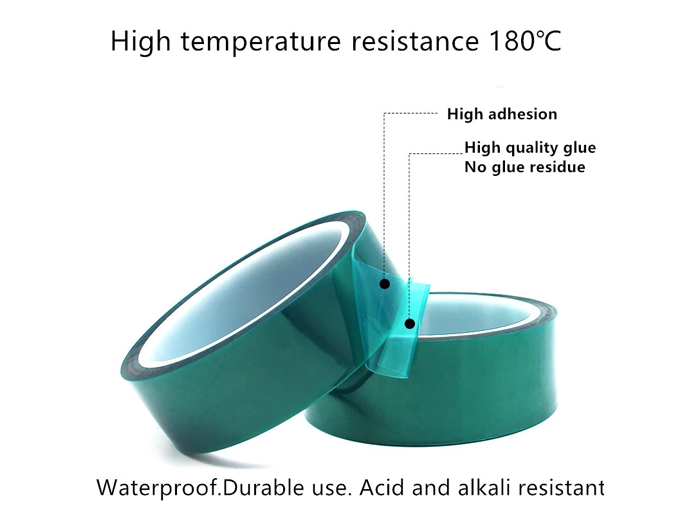
High Temperature Adhesive Tape
Definition and Function
In the field of glass deep processing, High Temperature Adhesive Tape is far from being ordinary stationery or packaging tape. It is an industrial-grade specialty tape specifically engineered to withstand extreme temperatures, high pressures, and vacuum environments.
In the context of glass lamination, it serves three primary functions:
- Physical Securing: During the assembly stage, it firmly secures multiple glass sheets together with the intermediate interlayer, preventing misalignment during handling and the loading process into the furnace.
- Vacuum Sealing: When utilizing the silicone vacuum bag process, it seals the gaps along the glass edges or repairs minor punctures and tears in the vacuum bag itself.
- Air Barrier: It prevents external air from back-flowing into the interior of the glass assembly during the resin melting phase—a phenomenon that triggers the formation of critical, product-ruining edge bubbles. 2.2 Application Scenarios
This type of tape plays a vital role across a wide range of glass processing scenarios:
- EVA Lamination Processes: In vacuum furnaces operating without an autoclave, it is the critical element for ensuring that edges remain free of adhesive leakage and air ingress.
- PVB Autoclave Lamination: Within the confines of an autoclave—where temperatures exceed 130°C and are accompanied by immense pressure—it serves to maintain the relative immobility of the glass panels.
- Processing of Irregularly Shaped and Multi-layer Glass: It is utilized to secure complex, misaligned edges or to anchor embedded wires and electronic components (such as those found in smart dimmable glass).
Throughout the entire glass industry, it stands as an indispensable stabilizer for manufacturing processes.
Core Performance Requirements for High-Temperature Adhesive Tape in 2026
Not all tapes claiming to be "high-temperature resistant" are capable of meeting the demands of glass lamination. To comply with the high-end manufacturing standards of 2026, an adhesive tape must simultaneously satisfy the following four rigorous requirements:
Heat Resistance
Throughout the temperature profile of glass lamination, the tape is subjected to prolonged high-temperature baking—ranging from room temperature up to 120°C, or even 180°C—lasting for several hours. A compliant tape’s substrate must remain intact without melting or shrinking, while its adhesive system must neither flow nor carbonize.
Adhesion Strength
It must possess a "dual nature": during the room-temperature assembly phase, it requires strong initial tack to instantly grip the smooth glass surface; during the high-temperature fusion phase, its adhesive strength must not degrade significantly due to heat exposure—it must maintain a tenacious grip on the edges to prevent the glass panels from shifting due to thermal expansion and contraction.
Residue-Free Removal (Clean Removal)
This is one of the most critical metrics for processing plants. After the glass exits the furnace and cools down, the tape must be capable of being peeled off completely and smoothly. If high temperatures cause adhesive transfer—leaving stubborn residue on the glass surface—it not only severely compromises the aesthetic quality of the glass but also necessitates laborious manual cleaning using chemical solvents, thereby significantly driving up labor costs.
Sealing Performance
During the vacuum evacuation phase, the tape is required to adhere perfectly to the right-angle edges of the glass panels. It must possess a certain degree of flexibility to ensure that no minute air-leakage channels—imperceptible to the naked eye—are formed, thereby preventing air intrusion that could lead to blistering at the edges of the laminated glass.
Tape Requirements for Different Glass Lamination Processes
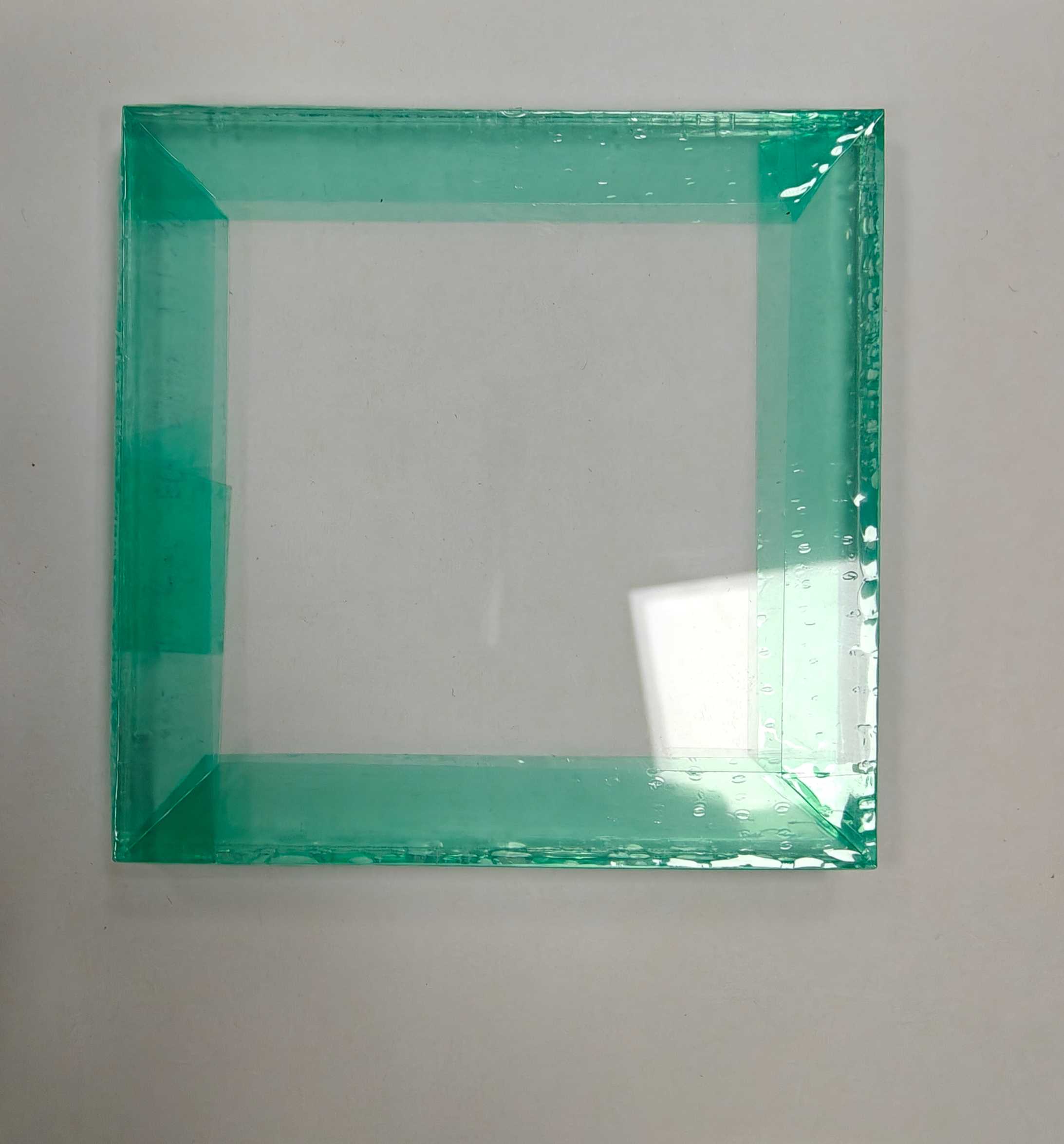
High-Temperature Adhesive Tape for Glass Lamination
Different interlayer materials and processing equipment place vastly different emphases on the requirements for the adhesive tape used.
EVA Lamination Process (Vacuum Bag)
EVA film exhibits excellent flow properties and is typically processed using the silicone vacuum bag method. In this context, the tape's primary functions are sealing and preventing adhesive overflow. The tape must possess high elasticity to adhere tightly to the perimeter of the glass, preventing molten EVA from overflowing and contaminating the vacuum bag while simultaneously blocking the ingress of external air.
PVB Autoclave Process (Autoclave)
Inside the autoclave, conditions involve not only high temperatures—typically around 130°C—but also immense pressure, reaching as high as 10–14 bar. Consequently, the tape's core requirements here are pressure resistance and extreme stability. If the tape's backing material lacks sufficient tensile strength, it will instantly tear under such high-pressure conditions.
SGP Structural Glass Lamination
As a premium structural interlayer, SGP requires higher processing temperatures and demands extremely strict precision regarding edge alignment. The tape utilized in this application must exhibit an exceptionally low thermal shrinkage rate to ensure that, throughout the entire high-temperature cycle, the heavy glass panels do not experience even a single millimeter of misalignment.
Common Selection Errors and Their Consequences
Many factories have paid a heavy price in their attempts to save a negligible amount on auxiliary material costs. The following are common catastrophic outcomes resulting from improper tape selection:
- Use of Ordinary Packaging/Industrial Tapes: The acrylic or rubber-based adhesives found in these tapes will decompose and melt at temperatures as low as 100°C; simultaneously, the backing material will carbonize and shrink, causing the tape to completely lose its ability to secure the glass.
- Insufficient Adhesion and Sealing: Under high temperatures, the tape's edges may lift or curl, instantly compromising the vacuum environment. Air then rushes into the breach, rendering the entire laminated glass panel—now riddled with dense edge bubbles—completely unsalvageable.
- Severe Adhesive Residue: The use of inferior adhesive systems often results in the tape tearing upon removal after cooling; the adhesive remains stubbornly bonded to the glass—much like chewing gum—requiring the use of scrapers and strong solvents for cleanup, a process that carries a high risk of scratching the glass surface.
How to Select High-Quality High-Temperature Adhesive Tape?
To avoid common pitfalls in product selection, we must exercise rational judgment grounded in materials science.
Material Types
Currently, the high-performance high-temperature tapes available on the market primarily consist of a polymer substrate and a specialized adhesive:
Substrate: Polyimide (PI—typically amber-colored; offers extremely high heat resistance, exceeding 260°C) and high-quality Polyester (PET—typically green; offers heat resistance of approximately 180°C; provides excellent cost-effectiveness and is most frequently used in the glass industry).
Adhesive System: Must be a silicone-based coating (Silicone Adhesive). Only a silicone-based system can maintain high cohesive strength after exposure to temperatures exceeding 150°C, thereby ensuring a perfect, "residue-free" peel.
Selection Matrix and Parameters
To assist you in selecting the most suitable tape based on your specific interlayer material, we have compiled the following parameter matrix:
Table 1: Tape Selection Matrix Based on Interlayer & Process
| Feature Dimension | EVA Interlayer (Thermoset) | PVB Interlayer (Thermoplastic) |
| Lamination Process | Vacuum Oven (No Autoclave needed) | Autoclave strictly required |
| Moisture Absorption | Very Low (Hydrophobic) | High (Hygroscopic) |
| Optical Clarity | High transparency, extremely low haze | Stable, but slightly lower than premium EVA |
| Weatherability | Excellent (with advanced UV formulas) | Good, but prone to edge delamination if wet |
| Adhesion to Inserts | Excellent (Compatible with mesh, PDLC) | Poor (Requires specialized treatment) |
| Equipment Cost | Low Capital Expenditure (CAPEX) | High Capital Expenditure |
How to Choose a Reliable High-Temperature Adhesive Tape Supplier?
In the glass industry, the professionalism of auxiliary material suppliers directly determines the stability of the production line.
Specialized Supply Chain Capabilities for the Glass Industry
Exceptional suppliers are far more than mere "tape vendors"; they must possess deep expertise in the field of glass deep processing, understand the surface characteristics of glass, and be willing to provide free samples for processing plants to conduct actual on-machine testing.
Understanding of Glass Processing Techniques
A reliable supplier is capable of truly understanding your pain points. When you mention terms such as "vacuum furnace," "autoclave," or "SGP lamination," they can immediately offer recommendations regarding tape thickness and peel strength that are precisely tailored to match your specific temperature profile.
E&N: Your Expert in High-Temperature Tape Solutions
If you are seeking auxiliary materials that offer superior performance, consistent batch quality, and have been specifically developed for the glass industry, E&N is your indispensable first choice. As a leading global provider of laminated glass solutions, E&N possesses a profound understanding of every intricate detail involved in glass processing.
The specialized high-temperature green PET tape offered by E&N is engineered specifically for the demanding environments of glass lamination. Utilizing imported silicone pressure-sensitive adhesive, it withstands temperatures exceeding 200°C and features exceptional tensile strength combined with an absolute guarantee of residue-free removal. For detailed technical specifications and purchasing information, please visit: E&N High Temperature Adhesive Tape
Table 2: E&N High Temperature Tape vs. Standard Industrial Tape
| Evaluation Criteria | Essential Requirement | Why It Matters for Your Business |
| Manufacturing Origin | True EVA interlayer film manufacturer | Ensures quality control from raw resin to final film roll. |
| Technology R&D | Advanced cross-linking formulation | Prevents long-term yellowing and edge delamination. |
| Technical Support | Provides specific lamination curves | Optimizes your oven settings to eliminate bubble defects. |
| Certifications | ISO, EN, or SGCC compliance | Guarantees the laminated glass meets safety standards. |
2026 Industry Trends: Directions for Adhesive Tape Technology Upgrades
With the advancement of automation and green manufacturing, high-temperature adhesive tape technology continues to evolve:
Higher Temperature Resistance Limits: To accommodate the prolonged lamination of new specialty resins and ultra-thick bulletproof glass, temperature resistance requirements are pushing beyond the 220°C threshold.
Eco-friendly, Residue-free Formulations: Adhesive systems are placing greater emphasis on low VOC emissions, aligning with global green standards for glass processing.
Compatibility with Automated Production Lines: Featuring more precise slit widths and tougher substrates to meet the demands of fully automated tape application via robotic arms.
FAQ
Q1: What is High Temperature Adhesive Tape used for in glass lamination?
It is primarily used to secure the relative positioning of multiple glass layers and interlayers, as well as to seal the edges of vacuum bags. This prevents air from entering the glass assembly during the high-temperature phase, thereby ensuring an optimal vacuum environment.
Q2: Can normal tape be used in laminated glass processing?
Absolutely not. The substrates and acrylic adhesives found in ordinary tapes cannot withstand temperatures exceeding 100°C; inside a lamination furnace, they would rapidly melt or carbonize. This not only results in a complete loss of their securing function but also causes severe contamination that is extremely difficult to clean up.
Q3: What temperature should the tape withstand?
Depending on the specific lamination process, the tape typically requires a stable temperature resistance capacity ranging from 120°C to 180°C, and must maintain its integrity within this temperature range for several hours without degrading.
Q4: Does tape affect laminated glass quality?
Yes, it has a significant impact. Substandard tape can lead to edge seal failure—allowing air intrusion that creates bubbles—or leave behind stubborn adhesive residue. This directly results in the costly scrapping of laminated glass products or incurs substantial additional costs for post-production cleanup.
Conclusion
In the high-end glass lamination manufacturing processes of 2026, High Temperature Adhesive Tape should by no means be viewed as a dispensable, peripheral accessory. It has emerged as one of the core auxiliary materials that determine both the final optical quality and the production yield of laminated glass. For every glass processing enterprise striving for excellence, optimizing the selection of auxiliary materials is just as critical as choosing high-quality interlayers. The proper selection of a premium tape—one that offers high heat resistance, strong adhesion, and leaves zero residue (such as E&N’s specialized products)—can immediately enhance vacuum sealing performance, eliminate the risk of edge bubbles, and significantly reduce manual cleaning costs. In today's environment, where both profitability and quality are paramount, attention to detail often proves to be the key to success.