
A Comprehensive Guide to Silicone Sealants: Types, Uses, Buying Tips
A leaking window frame. A black mold line around the bathtub. A gap between glass and aluminum. A joint that cracks every time the temperature changes. These problems look small at first, but the wrong sealant can turn a simple repair into repeated maintenance, water damage, or an unhappy customer.
Silicone sealant is one of the most widely used materials for sealing, waterproofing, bonding, and weather protection. It is used in bathrooms, kitchens, windows, doors, glass systems, construction joints, industrial equipment, and many other applications.
But not all silicone sealants are the same. Some are made for glass. Some are safer for metal. Some are designed for wet areas. Some can handle high temperatures. Some are suitable for exterior weatherproofing, while others should only be used indoors.
What Is Silicone Sealant?
Silicone sealant is a flexible sealing material that cures into a rubber-like form after application. Once cured, it helps block water, air, dust, and moisture while still allowing a certain amount of movement.
That flexibility is one of the main reasons silicone sealant is so useful.
Many surfaces expand and contract with temperature changes. Buildings move slightly. Window frames shift. Bathroom fixtures vibrate. A hard, brittle filler may crack under these conditions. A good silicone sealant can stretch, compress, and return to shape without losing the seal.
Silicone sealant is commonly used for:
- Waterproofing joints
- Sealing gaps
- Bonding glass, ceramic, aluminum, and other materials
- Weatherproofing windows and doors
- Protecting surfaces from moisture
- Sealing indoor and outdoor construction joints
- High-temperature or specialty industrial applications
In simple terms, silicone sealant is chosen when a joint needs to stay flexible, waterproof, and durable over time.
How Does Silicone Sealant Work?
Silicone sealant does not simply “dry” like paint. It cures. After the sealant is applied, it reacts with moisture in the air and gradually changes from a paste into an elastic rubber-like material. This process is called curing.
That is why the surface may feel dry before the sealant is fully cured inside.
For example, the outer layer may become tack-free within a short time, but the deeper part of the joint may still need more time to cure completely. If the joint is exposed to water, stress, or movement too early, the final seal may be weaker.
Several factors affect curing time:
- Sealant type
- Joint depth
- Temperature
- Humidity
- Air circulation
- Application thickness
A thin bead around a sink may cure faster than a deep exterior joint. A warm and humid environment usually helps moisture-cure silicone cure faster. Cold or very dry conditions may slow the process.
What Is Silicone Sealant Used For?
Silicone sealant is used in many industries, but most applications fall into a few practical categories.
Bathroom and Kitchen Sealing
Bathrooms and kitchens are among the most common places where silicone sealant is used.
Typical applications include:
- Bathtub edges
- Shower enclosures
- Wash basins
- Kitchen sinks
- Countertop joints
- Ceramic tile gaps
- Toilet bases
- Wet-area corners
In these areas, the sealant must resist water, cleaning products, and mold growth. For this reason, sanitary silicone sealant is usually preferred.
A good bathroom or kitchen sealant should be waterproof, easy to apply, and resistant to mildew. However, no sealant can stay clean forever without maintenance. Poor ventilation, standing water, soap residue, and lack of cleaning can still lead to mold over time.
Windows and Doors
Windows and doors are exposed to movement, rain, sunlight, and temperature changes. A sealant used here must do more than fill a gap.
It needs to stay flexible, resist UV exposure, and bond well to materials such as glass, aluminum, PVC, wood, or concrete.
Common uses include:
- Window frame sealing
- Door frame sealing
- Glass-to-frame joints
- Exterior gaps
- Aluminum profile sealing
- Weatherproofing around openings
Neutral cure weatherproof silicone is often a safer choice for these applications, especially where metal or concrete is involved.
Glass and Glazing
Silicone sealant bonds well to glass, which makes it useful for many glazing applications.
It can be used for:
- Glass panels
- Display cases
- Shower glass
- Shopfront glazing
- General glass sealing
- Interior glass partitions
For simple glass sealing, general glazing silicone may be enough. For structural glazing, curtain walls, or load-bearing glass systems, a specialized structural silicone sealant is required.
This distinction is important.
A regular silicone sealant should not be used as a substitute for structural glazing silicone. Structural applications involve safety, engineering design, compatibility testing, and project-specific requirements.
Exterior Construction Joints
Outdoor joints face a much harsher environment than indoor joints.
They may be exposed to:
- UV radiation
- Rain
- Wind
- Dust
- Expansion and contraction
- Freeze-thaw cycles
- Building movement
Exterior silicone sealants are used for façades, wall joints, metal panels, roofing details, expansion joints, and weatherproofing around construction elements.
For these applications, long-term flexibility and weather resistance are more important than low price.
Industrial and Specialty Applications
Silicone sealant is also used in industrial, automotive, electrical, and appliance applications.
Examples include:
- Gasket sealing
- HVAC systems
- Electrical enclosures
- Cable sealing
- Appliance assembly
- Automotive parts
- High-temperature joints
- Sensor protection
- Equipment maintenance
Specialty silicone sealants may be designed for heat resistance, electrical insulation, self-leveling performance, low odor, or non-corrosive curing.
Main Types of Silicone Sealants
Not every silicone sealant is made for the same job. A sealant that works well on glass may not be the best choice for metal, stone, a bathroom joint, or a high-temperature area. The safest way to choose is to match the sealant type with the surface, environment, and performance needed.
Neutral Cure Silicone Sealant
Neutral cure silicone is a good all-around choice when the surface is sensitive or when the job involves more than one material. It does not release acidic by-products during curing, which makes it a safer option for metals, concrete, stone, electronics, and many construction materials. It is often used for windows, doors, exterior joints, and general building applications.
Key features:
- Low odor compared with acetoxy silicone
- Better suited for metal, concrete, stone, and sensitive surfaces
- Good choice for windows, doors, and exterior sealing
- Usually costs more than basic acetoxy silicone
- Still requires surface testing for demanding applications
Acetoxy Cure Silicone Sealant
Acetoxy silicone is the type many users recognize by its vinegar-like smell. It cures quickly and bonds well to glass, ceramic, and many non-porous surfaces. For simple household sealing or basic glass work, it can be a practical and economical option. The trade-off is that it can corrode or stain certain sensitive materials, so it should not be used blindly on metal, stone, concrete, mirrors, or electronics.
Key features:
- Fast curing
- Strong adhesion to glass and ceramic
- Common choice for basic household sealing
- More economical than many neutral cure formulas
- Not ideal for metal, stone, concrete, mirrors, or sensitive plastics
Sanitary Silicone Sealant
Sanitary silicone is made for wet areas where water, soap residue, and humidity are part of daily use. It is commonly applied around showers, bathtubs, sinks, toilets, kitchen counters, and laundry areas. Many sanitary formulas are designed to resist mold and mildew growth in high-humidity conditions, but they still need proper cleaning and ventilation to perform well over time.
Key features:
- Designed for bathrooms, kitchens, and other wet areas
- Helps resist mold and mildew growth
- Good waterproofing performance after full cure
- Easy to tool for a clean finish
- Not a substitute for regular cleaning and ventilation
Weatherproof Silicone Sealant
Weatherproof silicone is designed for joints exposed to sunlight, rain, wind, and temperature changes. It is often used around exterior windows, doors, façade joints, curtainwall perimeters, and other building envelope details. A good weatherproof silicone should stay flexible as materials expand and contract, while maintaining adhesion through outdoor exposure. Dow describes weatherproofing sealants as forming flexible, durable joints for exterior sealing applications.
Key features:
- Built for outdoor exposure
- Good UV and weather resistance
- Suitable for exterior windows, doors, and façade joints
- Helps handle expansion and contraction
- Better for long-term sealing than basic household silicone
Glazing Silicone Sealant
Glazing silicone is used for glass-related sealing work, such as shopfronts, glass panels, skylights, display cases, and general glass-to-frame applications. Some glazing silicones are acetoxy cure, while others are neutral cure, so the right choice depends on the surrounding materials. For standard glass sealing, glazing silicone can work well; for structural glass systems, a structural glazing sealant is required instead.
Key features:
- Made for glass and glazing applications
- Works well for glass-to-frame sealing
- Available in clear and common construction colors
- Should be matched with frame material
- Not the same as structural glazing silicone
Structural Silicone Sealant
Structural silicone is used when the sealant is part of a load-bearing glass or façade system. This is a professional-grade category used in structural glazing, curtainwalls, commercial façades, and impact-rated window or door systems. It should not be replaced with ordinary weatherproof or general-purpose silicone. Structural applications require proper design, adhesion testing, compatibility review, and technical approval.
Key features:
- Used for structural glazing and façade systems
- Designed for strength, flexibility, and long-term performance
- Requires technical review before use
- Not suitable for casual substitution
- Best handled by trained professionals or project engineers
How to Choose the Right Silicone Sealant
Choosing the right silicone sealant is not about picking the most expensive tube or grabbing the first product labeled “waterproof.” The right choice depends on the application, the surface material, the expected joint movement, and the exposure conditions. In most cases, the best sealant is the one that matches the job—not necessarily the strongest or the cheapest one.
Start With the Job, Not the Product
Before looking at cure type, color, or price, define the application. A bathroom joint, a window frame, a glass panel, and an exterior wall joint all require different performance. Wet areas need waterproofing and mildew resistance. Exterior joints need UV resistance, flexibility, and weather durability. Structural glass projects may require engineering review and project-specific testing before approval.
Check the Surface You Are Sealing
Surface compatibility is one of the most important factors in sealant selection. Glass and ceramic are usually easier for silicone to bond to, while metal, concrete, stone, plastic, and coated surfaces may require a more specific formula. Acetoxy silicone releases acetic acid during curing, while neutral cure silicone does not, making neutral cure silicone a safer choice for many sensitive materials.
Choose Acetoxy Silicone for Simple Glass and Tile Jobs
Acetoxy silicone is a practical option for glass, ceramic tile, and other non-porous surfaces. It usually cures quickly, bonds well to these materials, and is often more economical than neutral cure silicone. However, because it releases an acidic by-product, it is not recommended for metals, natural stone, concrete, mirrors, electronics, or other sensitive substrates.
Choose Neutral Cure Silicone for Sensitive or Mixed Materials
Neutral cure silicone is usually the better choice for metal, concrete, stone, PVC, electronics, and multi-material joints. It is widely used for windows, doors, exterior joints, and general construction because it offers broader substrate compatibility and reduces the risk of corrosion, staining, or early adhesion failure. It may cost more, but it often helps reduce callbacks and rework.
Think About Indoor vs. Outdoor Exposure
Indoor sealants usually need a clean appearance, low odor, moisture resistance, and easy tooling. Outdoor sealants face tougher conditions, including sunlight, rain, dirt, temperature swings, and repeated movement. For exterior windows, doors, façades, and construction joints, choose a weatherproof silicone designed for UV exposure, moisture resistance, and long-term flexibility.
Match the Sealant to Joint Movement
Some joints remain almost still, while others expand, contract, vibrate, or shift with temperature and building movement. If the sealant is too rigid, it may crack or pull away. If it is too soft, it may not provide enough support for the application. For windows, doors, exterior panels, and construction joints, check flexibility and movement capability before installation.
Use Sanitary Silicone for Wet Areas
Bathrooms, kitchens, laundry rooms, and wash areas need more than a general-purpose sealant. These spaces are exposed to water, soap residue, cleaning chemicals, and humidity. Sanitary silicone is designed for wet environments and often includes mildew-resistant properties. Still, mildew resistance does not mean maintenance-free—good ventilation and regular cleaning are still important.
Be Careful With Stone, Mirrors, and Coated Surfaces
Natural stone, mirrors, coated glass, and specialty finishes can be sensitive to the wrong sealant. Some formulas may stain stone, damage mirror backing, or fail to bond to coated surfaces. For these materials, choose a sealant specifically marked as compatible and test before full application.
Do Not Use General Silicone for Structural Glazing
Structural glazing requires more than ordinary weatherproof or general-purpose silicone. If the sealant helps hold glass or panels in place, it must be a structural silicone designed for that purpose. These applications require proper joint design, surface preparation, adhesion testing, compatibility review, and quality control.
How Long Does Silicone Sealant Last?
There is no single answer because service life depends on the product, surface, environment, and application quality.
A well-applied, suitable silicone sealant can last for many years. A low-grade or wrongly selected sealant may fail much sooner.
Factors that affect service life include:
- Product quality
- Surface preparation
- Indoor or outdoor exposure
- UV and weather conditions
- Joint movement
- Moisture level
- Cleaning chemicals
- Application thickness
- Cure quality
When should silicone sealant be replaced?
Replace silicone sealant when you notice:
- Cracks
- Peeling edges
- Water leakage
- Black mold that cannot be cleaned
- Gaps between sealant and surface
- Hardening or loss of flexibility
- Shrinkage or separation
Do not wait until water damage appears. Once the seal is broken, moisture can enter behind the surface and cause hidden problems.
How to Buy Silicone Sealant in Bulk
Buying silicone sealant in bulk is different from buying one or two cartridges for a small repair. For distributors, glass processors, contractors, and project buyers, bulk purchasing should focus on quality consistency, application suitability, delivery stability, and supplier support—not just unit price.
What to Check Before Bulk Ordering
Before placing a bulk order, make sure the supplier can support your real business needs:
- Consistent product quality across different batches
- Suitable sealant types for glass, windows, construction, or industrial use
- Product samples for testing before large-volume purchase
- Technical documents such as TDS, SDS, or application guidance
- Flexible packaging options for different markets or sales channels
- Reliable delivery and export support
- After-sales communication when application questions or project issues arise
Why Choose E&N HONJIA
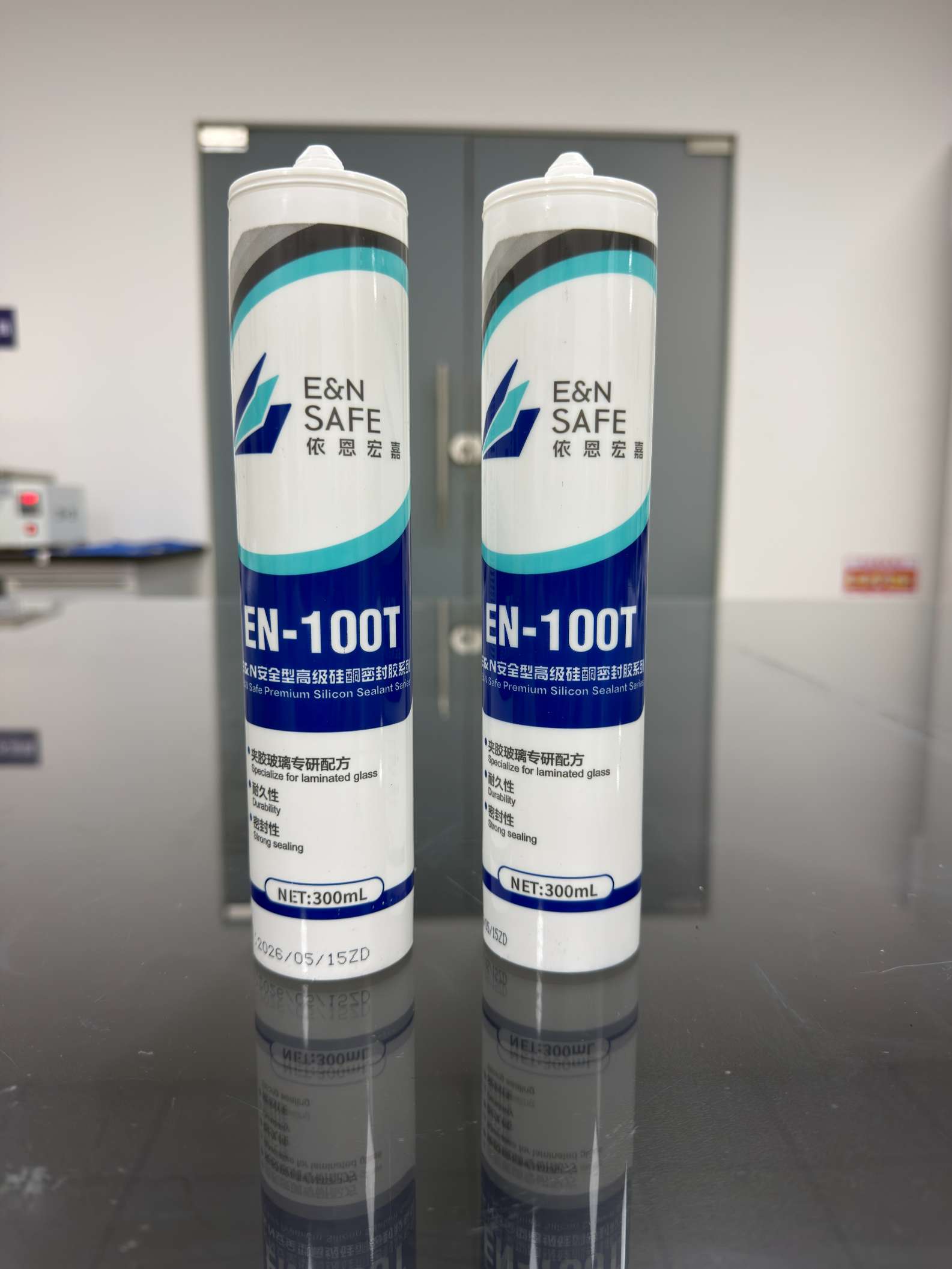
E&N HONJIA has more than 20 years of experience in laminated glass materials and glass processing solutions. The company supplies not only EVA films, SGP interlayers, PDLC smart films, and laminated glass products, but also glass consumables such as glass sealants, high-temperature adhesive tapes, and vacuum silicone bags.
For bulk buyers, this means E&N HONJIA can support more than product supply. The team can help with:
- Sample evaluation before bulk purchase
- Application guidance for glass-related projects
- Stable material sourcing
- Cleanroom production and quality control
- Global logistics support
- Distributor and long-term cooperation support
A Better Way to Source Silicone Sealant
If you are buying silicone sealant for resale, glass processing, construction projects, or regular production use, choosing the right supplier can save time, reduce quality risks, and make future purchasing easier.
E&N HONJIA helps customers match the right materials to their application, budget, and market needs—so bulk purchasing becomes more reliable, practical, and cost-effective.
Conclusion
Silicone sealant is a flexible, waterproof material used for sealing joints, gaps, glass, windows, doors, bathrooms, kitchens, façades, and industrial equipment. Choosing the right type is essential because different applications require different performance, such as mold resistance, UV resistance, metal compatibility, high-temperature resistance, or structural strength. Proper selection, surface preparation, curing time, and supplier support help prevent leaks, cracking, corrosion, mold, and repeated repair.
FAQ
Q1. Which silicone sealant should I use for a bathroom or kitchen?
Use sanitary silicone sealant. It is designed for wet areas and helps resist mold and mildew around bathtubs, showers, sinks, toilets, and countertops.
Q2. Why does silicone sealant turn black around a bathtub?
Black stains are usually caused by mold, poor ventilation, standing water, soap residue, or old sealant. Even mildew-resistant silicone needs regular cleaning and airflow.
Q3. Can I use the same silicone sealant for glass and metal?
Not always. Acetoxy silicone works well on glass and ceramic, but it may corrode or stain metal. For metal, aluminum, concrete, or mixed materials, neutral cure silicone is usually safer.
Q4. Why does my sealant crack or pull away from the joint?
Common causes include wrong sealant type, poor surface cleaning, too much joint movement, incorrect application thickness, or exposure to water before full curing.
Q5. What silicone sealant is best for exterior windows and doors?
Use weatherproof neutral cure silicone. It offers better UV resistance, weather durability, and flexibility for outdoor joints exposed to rain, sunlight, and temperature changes.
Q6. Can general silicone be used for structural glazing?
No. Structural glazing requires specialized structural silicone, technical approval, adhesion testing, and proper engineering design. General silicone should not be used for load-bearing glass systems.