What is Clear EVA for laminated glass?
- What is Clear EVA?
- Clear EVA Material Properties
- Applications of Clear EVA
- Clear EVA Lamination Process and Glass Processing
- Why Choose Clear EVA Film?
- Clear EVA Customer Pain Points and Solutions
- How to Choose a High-Quality EVA Film Manufacturer
- FAQ - Clear EVA Film
- Conclusion: Clear EVA – The Ideal Interlayer Balancing Transparency, Aesthetics, and Stability
In modern architecture and interior design, laminated glass is highly favored for its safety and explosion-proof properties. However, the superior performance of laminated glass is largely due to its "soul"—the interlayer.
Besides SGP and PVB materials, clear EVA interlayers are becoming a popular choice for laminated glass manufacturers due to their unique processing advantages and aesthetic appeal. This article will provide an in-depth analysis of what clear EVA is for laminated glass and why it has become a favorite among glass designers and manufacturers.
What is Clear EVA?
Laminated glass is a type of safety glass made by bonding two or more layers of glass together under high temperature and pressure using a polymer interlayer (such as PVB, SGP, or EVA).
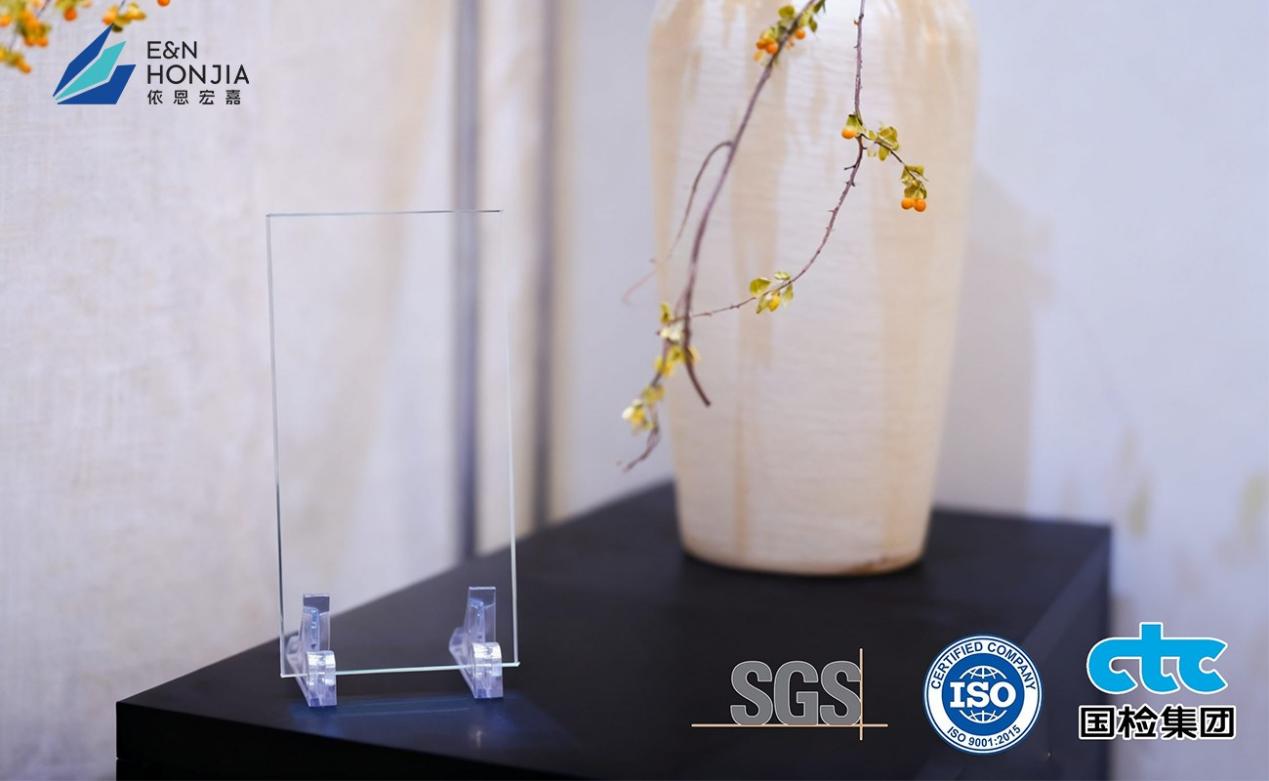
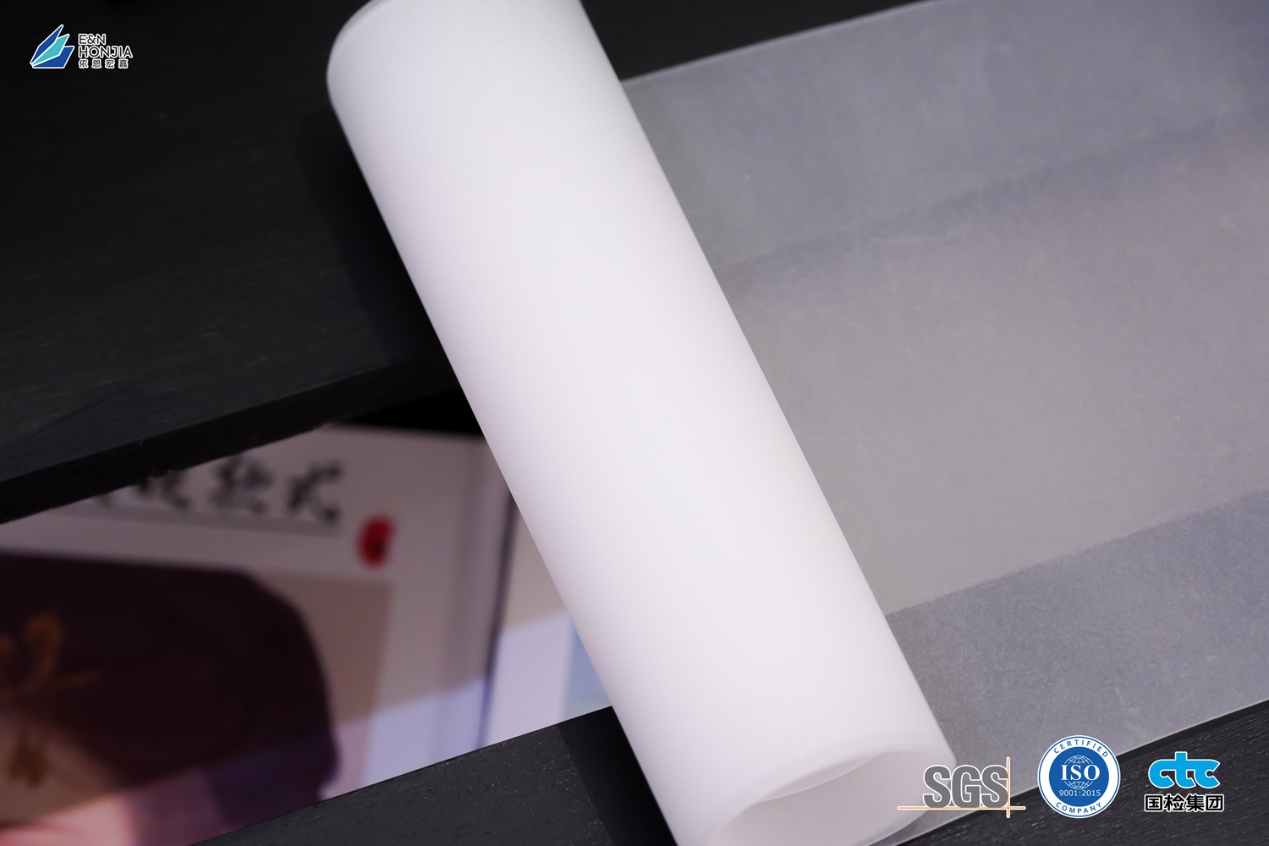
EVA, short for Ethylene Vinyl Acetate, is a thermoplastic resin. Clear EVA for laminated glass refers to EVA film specifically designed for glass lamination.
Clear EVA, as the name suggests, refers to a high-grade EVA interlayer with extremely high transparency and extremely low haze. It is designed to maximize the clarity and visual appeal of glass while providing basic safety performance, making it particularly valuable in decorative and high-end architectural applications.
Clear EVA Material Properties
Clear EVA stands out among many interlayers due to its unique material properties, which make it superior to traditional PVB in certain applications.
High Light Transmittance and Low Haze: High-quality Clear EVA achieves a light transmittance of over 91% and a haze of less than 0.3%. This means it provides a crystal-clear visual effect with almost no impact on the glass's transparency.
Excellent Weather Resistance: EVA glass (EVA laminated glass) has excellent edge stability. The chemical structure of EVA gives it strong resistance to moisture and water, making it less prone to edge delamination (peeling) even in high-humidity environments such as bathrooms and awnings.
Low-Temperature Lamination and Processability: This is one of EVA's biggest advantages. EVA lamination does not require an expensive and energy-intensive autoclave; only a vacuum laminating machine is needed. Processing temperatures range from 110-140°C depending on the thickness of Clear EVA and glass configuration, reducing equipment investment and production costs.
Environmental Protection and Safety: High-quality clear EVA films are odorless and have low VOC (volatile organic compound) release during processing and use, making them environmentally friendly and human-friendly.
Differences between Clear EVA and Other Interlayers (EVA vs. PVB vs. SGP): Choosing the right interlayer is crucial for project success. Clear EVA fills a specific market gap between PVB and SGP.
The comparison of laminated glass PVB vs. EVA vs. SGP is very intuitive: PVB is an economical and safe standard, SGP is a high-performance structural standard, while EVA is an "all-rounder" in terms of aesthetics, processability, and special applications.
Comparison of Key Interlayers (EVA vs. PVB vs. SGP)
|
Feature |
Clear EVA (Ethylene Vinyl Acetate) |
PVB (Polyvinyl Butyral) |
SGP (Ionoplast Interlayer) |
|
Clarity / Transparency |
High to Very High |
Good to High |
Excellent (Ultra Clear) |
|
Lamination Process |
Low Temp (Vacuum Lamination) |
High Temp (Autoclave) |
High Temp (Autoclave) |
|
Moisture Resistance |
Excellent (Good edge stability) |
Fair (Susceptible to edge delamination) |
Excellent |
|
Structural Strength |
Medium (Non-structural) |
Medium (Non-structural) |
Extremely High (Structural) |
|
Adhesion to Inclusions |
Excellent (Fabric, PET, Metal) |
Poor (Requires special treatment) |
Good |
Applications of Clear EVA
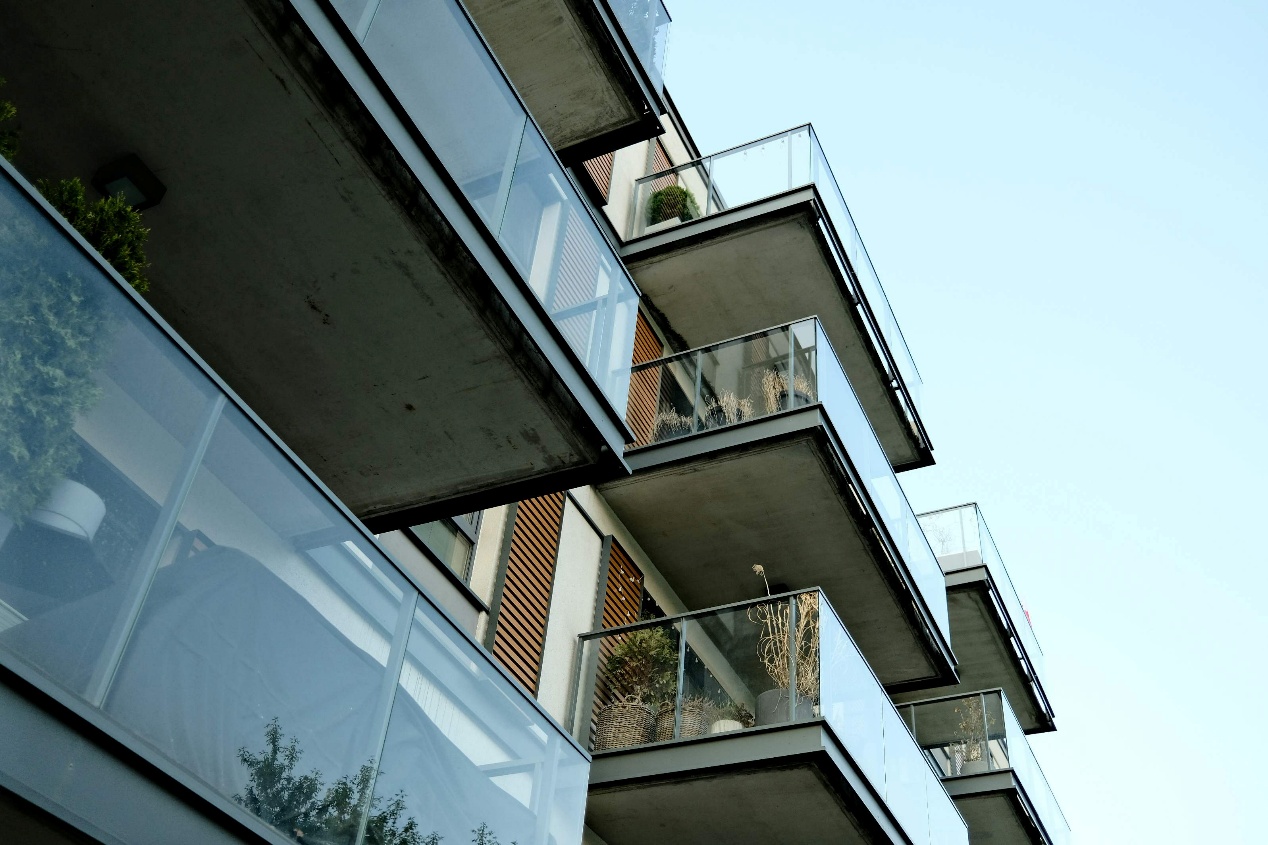
Clear EVA's unique properties, especially its excellent material compatibility, make its applications extremely wide-ranging, far exceeding those of ordinary safety glass.
Architectural Decorative Glass: Due to its excellent edge stability, EVA glass is ideal for frameless glass railings, shower doors, glass partitions, and sunroom roofs.
Artistic and Decorative Laminates: This is EVA's "ace in the hole." Clear EVA's excellent flowability and adhesion allow for the perfect lamination of various materials between two panes of glass, such as silk, fabric, rice paper, metal mesh, and PET film, creating unique artistic glass effects.
Specialty Glasses:
Photovoltaic (PV) Glass: clear EVA film is the standard material for encapsulating solar photovoltaic panels.
Smart Dimming Glass (PDLC Glass): The vast majority of smart dimming films (PDLC films) are laminated using clear EVA film; EVA's low-temperature process does not damage the liquid crystal film.
LED Display Glass: LED chips and transparent circuitry are embedded between glass layers with Clear EVA to create transparent displays.
Clear EVA Lamination Process and Glass Processing
EVA lamination is one of its core competitive advantages.
Equipment Differences: Unlike PVB/SGP, which requires an autoclave, EVA film for laminated glass processing primarily relies on a vacuum laminating machine. This results in lower equipment investment, lower energy consumption, and greater operational flexibility.
Key Parameters: Temperature and time are crucial for glass processing. EVA lamination involves two stages: low-temperature (vacuuming and degassing) and high-temperature (curing and bonding). Precise control of the heating curve and holding time is essential to ensure complete plasticization of the clear EVA film and a strong chemical cross-linking with the glass.
Defects to Avoid:
Bubbles: Usually caused by insufficient vacuum or unclean glass.
Delamination: Caused by insufficient temperature or holding time, resulting in incomplete EVA curing.
Fogging: Caused by excessively rapid cooling or excessive processing humidity.
Compatibility: EVA exhibits good compatibility with tempered glass, ultra-clear glass, colored glass, and various coated glasses (coating side needs confirmation).
Why Choose Clear EVA Film?
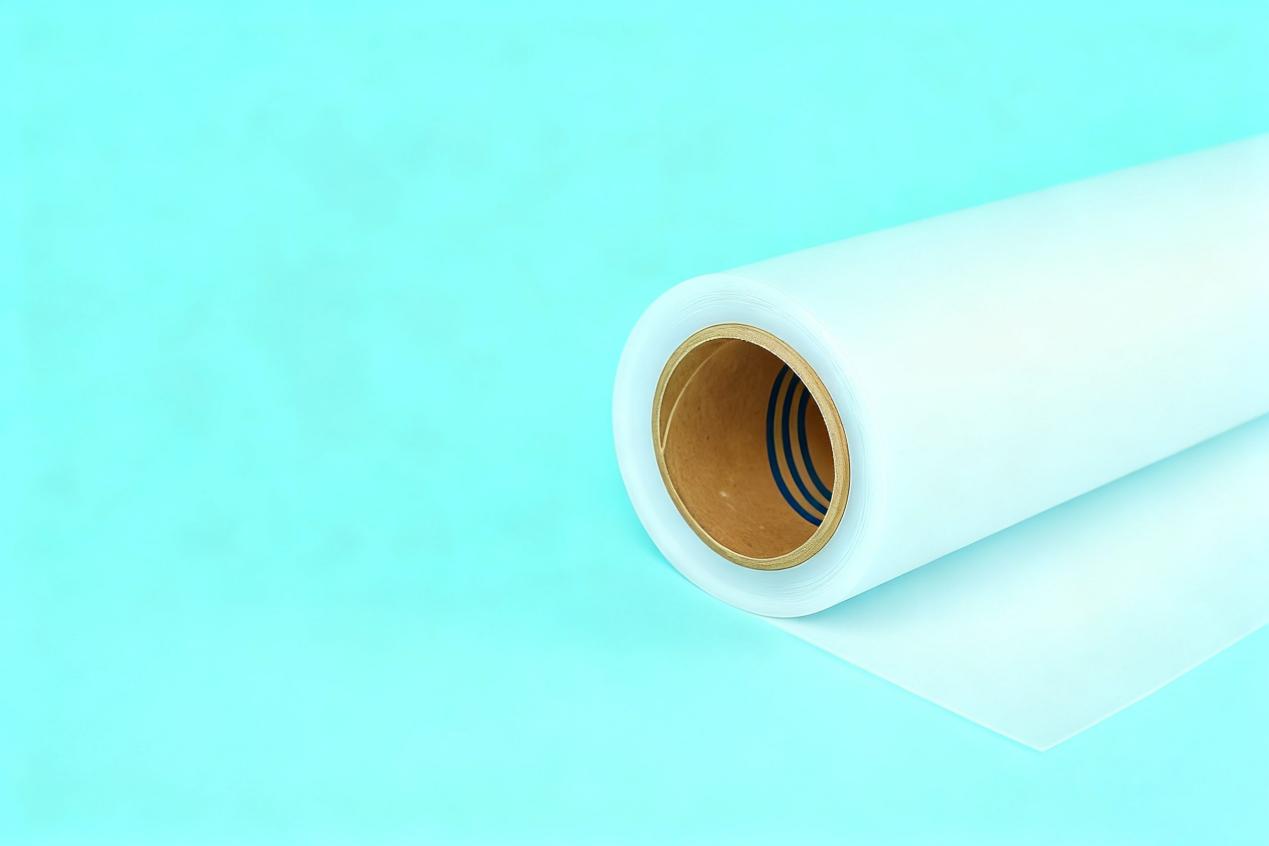
In summary, Clear EVA offers a unique combination of value that PVB and SGP cannot achieve simultaneously, representing the full potential of EVA glass.
Superior Aesthetics and Transparency: Provides the "crystal-like" feel required for high-end projects.
Excellent Weather Resistance and Edge Stability: Outperforms PVB significantly in high-humidity areas (such as bathrooms and coastal buildings), greatly reducing after-sales maintenance costs.
Processing Flexibility and Low Cost: Eliminates the need for autoclaves, lowering the barrier to entry for small and medium-sized glass processing plants into the laminated glass market.
Unparalleled Material Compatibility: It is the only mature interlayer film that can perfectly encapsulate "inclusions" such as fabrics, metal meshes, and PDLC films, making it key to realizing creative designs.
Clear EVA Customer Pain Points and Solutions
Despite the significant advantages offered by Clear EVA, glass processing plants and end-users often encounter some challenging Clear EVA pain points in actual glass processing and applications.
Understanding these pain points and mastering clear EVA film solutions are key to ensuring every piece of EVA glass achieves the desired effect.
Customer Pain Points for Clear EVA
Bubbles and Delamination: This is the most common problem. Unstable vacuum levels in the laminator, uneven temperature control, or inadequate glass cleaning can lead to localized bubbles or edge delamination in the finished product.
Edge Stability and Moisture Resistance Concerns: Especially in high-humidity environments (such as bathrooms and coastal buildings), customers worry about the stability of EVA glass, fearing that moisture will corrode the edges, causing whitening or fogging.
Yellowing or Reduced Light Transmittance: Purchasing inferior clear EVA film, or inconsistent weather resistance between different batches of materials, can cause noticeable yellowing of the glass shortly after installation, severely affecting its aesthetics.
Difficulty in Customizing Small-Batch, Diverse Orders: Decorative and art glass customers often require small batches and multiple varieties (e.g., incorporating different fabrics or colors), which many large EVA film manufacturers cannot flexibly accommodate.
Insufficient After-Sales Technical Support: Suppliers only sell materials but do not provide detailed processing instructions. When processing plants encounter lamination problems, the inability to obtain professional EVA lamination solutions leads to persistently high scrap rates.
Proven Solutions for Clear EVA’s Pain Points
The core of solving clear EVA pain points lies in "high-quality materials + precise processes + professional support.
Optimizing Lamination Process Parameters:
We must abandon the lazy "one-click start" approach. For clear EVA and glass configurations of different thicknesses, a segmented heating and precisely controlled temperature process profile should be adopted. Before high-temperature curing, ensure sufficient vacuum time in the low-temperature stage to thoroughly remove air from between film layers and inclusions; this is fundamental to solving bubble and delamination problems.
Choose High-Quality Clear EVA from the Source:
Don't compromise on raw materials. Choose EVA film manufacturers that can provide complete weather resistance test reports (such as QUV anti-aging test) and damp heat resistance certifications (such as EN, SGCC standards). High-quality clear EVA films already contain sufficient UV stabilizers and adhesion-enhancing additives in their formulation, ensuring EVA glass stability.
Strengthening Edge Protection and Standard Storage:
While high-quality EVA has excellent moisture resistance, in extremely humid environments, we recommend a secondary seal with a structural silicone sealant around the edges of EVA glass for "dual protection" Unused clear EVA film must be stored in a moisture-proof vacuum-sealed package at a low temperature (5-25°C recommended).
Finding Suppliers Supporting Flexible Customization:
professional EVA film manufacturer should understand the needs of the decorative market. Look for EVA suppliers willing to provide small-batch customization (low MOQ) and fast delivery of clear EVA films in various thicknesses or colors.
Choosing Partners Offering Comprehensive Technical Services:
A qualified supplier sells not only EVA film for laminated glass but also complementary EVA film solutions. Choose brands with their own technical teams, who can provide detailed lamination parameter guidance and even assist customers with initial lamination testing and employee training.
How to Choose a High-Quality EVA Film Manufacturer
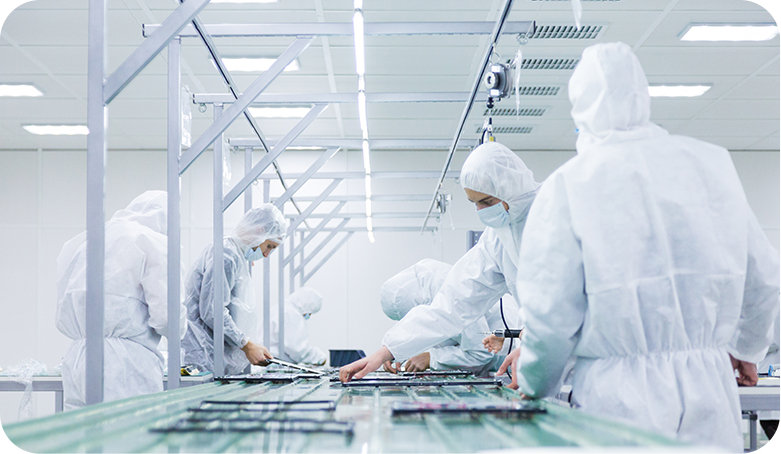
High-Quality EVA Film Manufacturer
The quality of EVA films on the market varies greatly. Choosing a reliable EVA film manufacturer is crucial.
A professional EVA supplier should possess the following qualities:
Key Factors for Choosing an EVA Film Manufacturer
|
Factor |
Description |
Why It Matters |
|
Product Consistency & Quality |
Reliable EVA film quality. Consistent thickness, stable formulation, and low haze. |
Ensures every batch of EVA glass produced has the same high performance and visual clarity. |
|
Certifications |
Must provide international certifications: SGCC, RoHS, REACH, ISO standards. |
Proof of safety, environmental compliance, and adherence to global building codes. |
|
Technical Support |
Provides detailed EVA lamination processing guides (temp/time/vacuum curves). Offers troubleshooting. |
EVA processing is sensitive. Good technical support from the EVA film manufacturer is crucial to avoid costly failures. |
|
Customization & Lead Time |
Ability to supply various thicknesses (e.g., 0.38mm, 0.76mm) and widths. Stable stock and fast delivery. |
Ensures project deadlines are met and material waste is minimized. |
|
Proven Track Record |
Has experience with international architectural or decorative projects. |
Demonstrates the supplier's reliability and the product's performance in real-world applications. |
FAQ
We've compiled some frequently asked questions about clear EVA.
Q: What are the differences between EVA and PVB?
A: There are three main differences:
Processing: EVA uses a vacuum laminator (low temperature, low pressure), while PVB requires an autoclave (high temperature, high pressure).
Moisture Resistance: EVA has significantly better water resistance and edge stability than PVB. PVB laminated glass is prone to delamination at the edges when exposed to water for extended periods.
Applications: EVA is well-suited for artistic lamination (wire-reinforced, fabric-reinforced) and smart glass; PVB is primarily used for standard safety glass in buildings and automobiles.
Q: Will Clear EVA film yellow?
A: This is a common problem with EVA glass, but it depends on the quality. Low-quality indoor-grade EVA will yellow quickly under UV exposure. However, high-quality outdoor-grade clear EVA (often called architectural-grade EVA) contains highly effective UV protectants and anti-aging formulations, making it extremely resistant to yellowing and fully meeting the requirements for outdoor curtain walls and railings.
Q: Can EVA be used for outdoor curtain walls?
A: Yes, but "architectural" or "structural" EVA must be used. While EVA's structural strength is not as high as SGP, its excellent weather resistance and edge stability make it ideal for certain curtain walls, skylights, and outdoor railings, offering better overall cost and performance than PVB.
Q: What are the storage conditions for EVA film?
A: The first step in EVA lamination solutions is proper storage. EVA is sensitive to moisture (although it is waterproof after curing). It should be stored in its original moisture-proof packaging in a cool, dry indoor environment (recommended temperature 5-25°C, humidity below 60%), avoiding direct sunlight.
Future Trends of Clear EVA
The future trends in EVA film development are very clear.
Higher Performance: Continue to develop clear EVA innovations with ultra-high light transmittance, zero haze, and stronger anti-aging properties, bringing its performance as close as possible to the visual effect of SGP.
Functional Composites: The future of advanced glass lies in composites. EVA, as the optimal adhesive material for laminating with smart films (PDLC, SPD, electrochromic), will see its market explode with the widespread adoption of smart homes and smart buildings.
Green and Environmentally Friendly: Developing recyclable, bio-based, and environmentally friendly EVA formulations to meet global demand for sustainable building materials.
Conclusion: Clear EVA – The Ideal Interlayer Film Balancing Transparency, Aesthetics, and Stability
Clear EVA isn't a cost-effective alternative to PVB; rather, its unique advantages in transparency, ease of processing, and excellent weather resistance (especially edge stability) have secured its indispensable position in the high-end architectural and decorative glass sector.
E&N is committed to providing internationally standardized, high-performance EVA film solutions for laminated glass. We deeply understand the crucial role of clear EVA in modern glass processing and offer comprehensive technical support to help you achieve glass innovations that combine aesthetics and stability.